
Understanding Aluminum Chromating: A Comprehensive Overview
In the field of metal finishing, aluminum chromating stands out as a crucial procedure for enhancing the durability and performance of aluminum components. This process applies a thin layer of chromium to the surface of aluminum parts, leading to increased corrosion resistance and improved adhesion for subsequent coatings. As a leading diecasting manufacturer in Malaysia, understanding the intricacies of aluminum chromating is essential for businesses looking to optimize their production processes and product longevity. In this article, we will delve into the various aspects of aluminum chromating in Malaysia, examining its benefits, processes, applications, and future trends.
What is Aluminum Chromating?
Aluminum chromating, often referred to as chromate conversion coating, is a chemical treatment process that serves to passivate aluminum surfaces. By utilizing a solution containing hexavalent chromium, the process forms a protective layer on the aluminum substrate. This layer not only enhances corrosion resistance but also provides a suitable surface for subsequent paint adhesion, significantly improving the overall performance of aluminum components in various applications.
Benefits of Chromating for Aluminum Components
- Corrosion Resistance: The primary benefit of aluminum chromating is its ability to protect aluminum parts from atmospheric and corrosive environments.
- Enhanced Adhesion: The chromate layer promotes better adhesion for paints and other coatings, leading to improved aesthetics and functionality.
- Electrical Conductivity: Chromating can also enhance the electrical conductivity of aluminum components, making them suitable for electronic applications.
- Cost-Effectiveness: Aluminum chromating is a relatively inexpensive process compared to other surface treatments, providing excellent value for manufacturers.
Comparison with Other Surface Treatment Methods
When discussing aluminum surface treatments, it’s essential to compare chromating with alternatives such as anodizing and powder coating. While anodizing provides a thicker oxide layer that can enhance corrosion resistance, it is typically more expensive and may not adhere as well as chromate-treated surfaces to paints. Powder coating, on the other hand, can offer vibrant colors and a durable finish but lacks the corrosion protection that chromating provides. Ultimately, the choice of treatment depends on the specific requirements of the application and desired final attributes of the aluminum components.
The Aluminum Chromating Process Explained
Step-by-Step Chromating Procedure
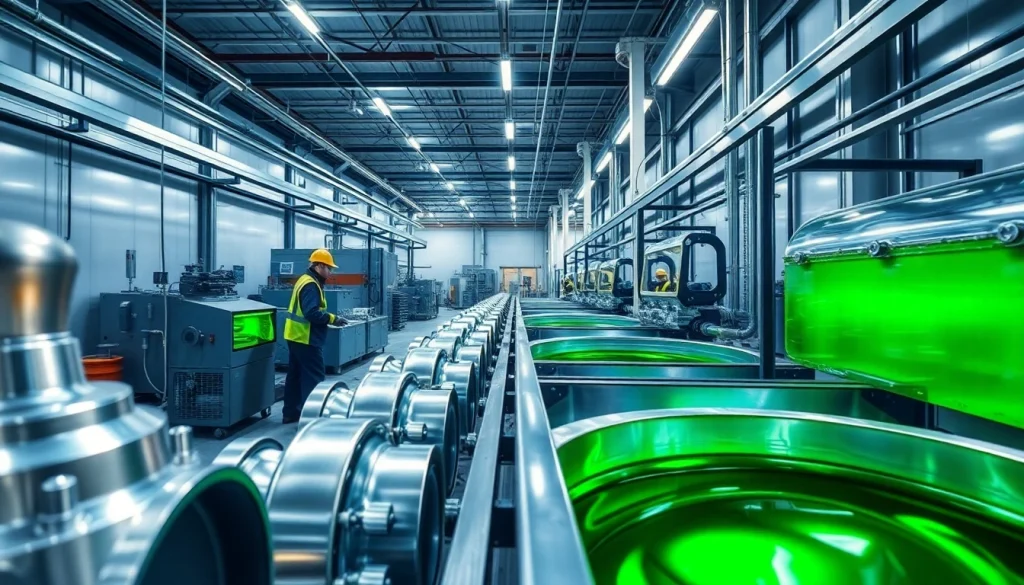
The aluminum chromating process involves several key steps to ensure the effective application of the chromate layer. First, the aluminum surface must be thoroughly cleaned to remove any contaminants such as oils, dust, or oxidation. This cleaning process is typically achieved through alkaline cleaning solutions or solvent degreasers. Following the cleaning, the aluminum parts are immersed in a chromate solution, where the chemical reaction forms the protective layer. Finally, the components are rinsed and dried, completing the chromation process.
Key Chemicals Involved in Chromating
The primary chemical agent used in aluminum chromating is hexavalent chromium, which reacts with the aluminum substrate to create a protective chromate film. However, recent developments in the industry are focusing on trivalent chromium alternatives that are less harmful to the environment while still providing adequate corrosion protection. Understanding these chemical interactions is crucial for manufacturers aiming to optimize their chromating processes while adhering to environmental regulations.
How Chromating Enhances Durability and Aesthetics
The chromate conversion coating not only enhances durability through corrosion resistance but also improves the aesthetic qualities of aluminum components. The thin, transparent layer can provide a uniform surface for painting and other decorative finishes. Additionally, the chromate film can be formulated to produce a range of colors, catering to specific customer preferences or branding requirements.
Industry Applications of Aluminum Chromating in Malaysia
Automotive and Aerospace Industries
In the automotive sector, aluminum chromated components are widely used due to their lightweight properties and enhanced durability. For instance, parts such as brackets, housings, and shields benefit significantly from chromating, leading to extended service life and reduced maintenance costs. Similarly, in aerospace applications, strict regulations regarding safety and performance make aluminum chromating a preferred choice for surface treatment.
Electronics and Electrical Components
The electronics industry also takes advantage of aluminum chromating, especially for components requiring enhanced conductivity and corrosion resistance. Chromated aluminum parts are frequently used in connectors, housings, and heat sinks, where they encounter varying environmental conditions. Moreover, the improved adhesion of coatings on chromated surfaces is paramount in achieving robust, reliable electronic products.
Building and Construction Applications
In building and construction, the durability of aluminum chromated elements like window frames and structural components becomes vital. Buildings and structures often face harsh weather conditions, making corrosion resistance a necessity. Aluminum chromating not only protects these components but also maintains their aesthetic qualities, ensuring that buildings remain visually appealing over time.
Best Practices for Implementing Aluminum Chromating
Choosing the Right Chromating Technique
When selecting a chromating technique, manufacturers must consider factors such as component geometry, desired coating thickness, and intended application. Processes can vary from immersion to spray methods, each offering distinct advantages. For example, immersion chromating is suitable for complex shapes, while spray methods may be preferred for larger surfaces.
Safety Measures and Environmental Considerations
Aluminum chromating processes involve the use of hazardous chemicals, necessitating strict safety protocols. Compliance with local and international environmental regulations is crucial, particularly concerning the use of hexavalent chromium. The shift towards trivalent chromium alternatives reflects a broader industry trend towards safer, more eco-friendly practices.
Quality Control in Chromating Processes
Implementing stringent quality control measures is vital in ensuring the effectiveness of the chromating process. Regular testing of the chromate coating, including adhesion tests, thickness measurements, and corrosion resistance assessments, can significantly enhance product quality and reliability. Establishing a well-documented quality assurance protocol can also mitigate risks associated with substandard coatings.
Future Trends in Aluminum Chromating for 2025 and Beyond
Innovations in Chromating Technologies
The aluminum chromating industry is poised for significant advancements in technology. Innovations such as automated systems for chemical handling and enhanced control mechanisms for coating thickness are expected to streamline processes and improve output quality. Additionally, ongoing research into more environmentally friendly chromating solutions will likely shape the future landscape of aluminum surface treatments.
Regulatory Changes Impacting Aluminum Chromating
As environmental regulations become increasingly stringent, manufacturers must stay informed of changes that may affect the use of hexavalent chromium in chromating processes. Compliance with new regulations will necessitate adaptation and potentially prompt a shift to trivalent chrome processes, which promise reduced environmental impact while maintaining effectiveness.
Predicted Market Growth and Opportunities
Market analysis indicates a steady demand for aluminum chromating services, particularly in the rapidly growing automotive and aerospace sectors. Moreover, as manufacturers aim to enhance product performance and sustainability, opportunities for specialized chromating services will likely expand. Those looking to explore options in aluminum chromating can find comprehensive insights at aluminum chromating malaysia.