
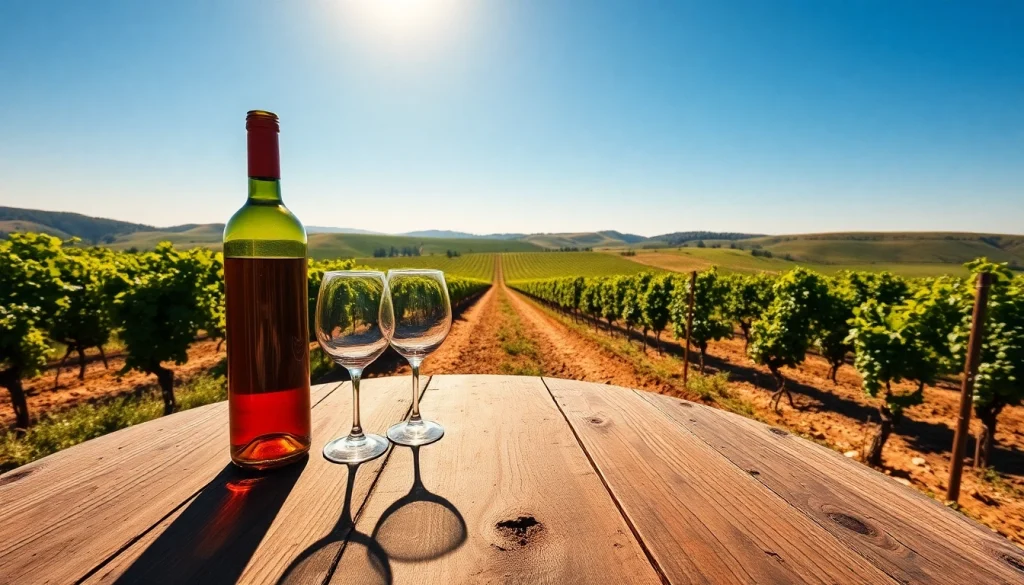
Understanding Clarksburg Wineries
In the heart of California’s wine country, clarksburg wineries offer a unique taste of local viticulture and are often overshadowed by their more famous neighbors. Yet Clarksburg possesses its own distinct personality, history, and cherished wine styles that warrant exploration. This guide delves into the fascinating history of wine production in Clarksburg, highlights key wine varieties to sample, and showcases the unique features that set this wine-growing region apart.
History of Wine Production in Clarksburg
The history of Clarksburg’s wine production dates back to the mid-1800s when settlers began cultivating grapes in the fertile soils along the Sacramento River. The region benefited from its climate—hot summers and cool river breezes—ideal for viticulture. Over the decades, Clarksburg has evolved from a small agricultural community into a recognized wine-growing area, particularly known for its exceptional varietals like Chenin Blanc and Cabernet Sauvignon.
During the early 1900s, Prohibition brought challenges that stunted the growth of local wineries. Nevertheless, it didn’t deter dedicated wine enthusiasts, and many vineyards survived the era, subsequently revitalizing their production by the late 20th century. The establishment of the Clarksburg American Viticultural Area (AVA) in 1984 marked a turning point for the region, providing it official recognition for its quality wines. Today, Clarksburg is home to various wineries that pride themselves on sustainable practices and innovative winemaking techniques.
Key Wine Varieties to Discover
Clarksburg wineries are celebrated for a range of varietals. Among the most notable is Chenin Blanc, a versatile white wine that expresses floral notes and fruity flavors, making it a local favorite. The region’s long growing season gives this varietal ample time to develop complexity and depth.
Cabernet Sauvignon and Merlot are also prominent, benefiting from the well-drained soils and sunny climate. These red wines are known for their intense color, rich tannins, and robust flavors that pair beautifully with hearty meals. Other varietals of interest include Sauvignon Blanc, Pinot Noir, and Zinfandel, each offering unique tasting experiences that reflect the attributes of the local terroir.
Unique Features of Clarksburg Wine Regions
The Clarksburg wine region possesses several unique characteristics that contribute to the exceptional quality of its wines. One notable feature is its microclimate, created by the Sacramento River, which influences temperature and humidity levels, allowing grapes to mature perfectly. This favorable climate, combined with the region’s diverse soil types, gives grapes a unique flavor profile that reflects the land.
Furthermore, many wineries in Clarksburg embrace sustainable viticulture practices, focusing on organic farming methods and minimal intervention techniques. This commitment not only results in higher-quality wines but also promotes environmental stewardship, enriching the local ecosystem. Wineries often engage in community-building activities and events that foster a sense of belonging among wine lovers, making visits to Clarksburg not just about tasting wine, but also about enjoying the vibrant community.
Planning Your Trip to Clarksburg Wineries
When taking a trip to the clarksburg wineries, planning plays a crucial role in ensuring a memorable experience. With picturesque landscapes and a variety of tasting options available, here’s how you can plan your visit effectively.
Best Time to Visit Local Wineries
Clarksburg’s various wineries are open year-round, but the best time to visit largely depends on what kind of experience you’re seeking. For the ultimate wine-tasting experience, the fall harvest season—typically September through November—is ideal. During this time, wineries host special events, grape-picking activities, and festivals that celebrate the bounty of the harvest. Spring, too, offers a beautiful backdrop with blooming vineyards and moderate weather, making for a picturesque visit.
What to Expect from Tasting Tours
Tasting tours at Clarksburg wineries offer visitors a range of experiences tailored to educate and excite the palate. Many wineries provide guided tours of their vineyards, allowing guests to learn about the grape-growing process, sustainability practices, and winemaking methodologies.
Tasting flights are usually available, offering samples of multiple wines that highlight the winery’s distinct varietals. Expect knowledgeable staff who are eager to share insights about each wine, including tasting notes, food pairing suggestions, and the stories behind each bottle. Engaging in these tours can deepen your appreciation for the art of winemaking and the nuances that define Clarksburg wines.
Accommodation Options Near Wineries
There are multiple accommodation options available to cater to various preferences and budgets near Clarksburg wineries. Visitors can choose from charming bed-and-breakfast establishments, cozy inns, or more expansive hotels in nearby towns. Many guests opt for vineyard stays, providing a unique experience of residing amongst the vines and indulging in wine and vineyard views right from their accommodations.
For those seeking a splurge, consider booking a stay at a boutique hotel that offers exclusive wine-tasting events or culinary experiences. It’s advisable to book accommodations in advance, especially during peak seasons, to ensure availability and the best rates.
Wine Tasting Experiences in Clarksburg
The wine-tasting experience is a quintessential part of any visit to the clarksburg wineries. Each winery provides its own unique spin on the traditional tasting, making it pivotal for visitors to choose the right experience that suits their tastes.
How to Choose a Wine Tasting Package
When selecting a wine tasting package, consider the variety of experiences available. Many wineries offer standard tastings, which consist of sampling different wines, while others may feature vertical tastings, allowing visitors to compare wines from different vintages. Pairing tastings, where local foods complement different wine selections, is also popular and enhances the tasting experience.
It’s essential to check for special events during your visit, such as seasonal releases or winemaker dinners, as these can provide a unique opportunity to engage with vintners and explore more specific aspects of local wines. Ultimately, the best package for you will align with your personal preferences and provide a diverse sampling of what Clarksburg has to offer.
Highlighting Signature Wine Events
Throughout the year, Clarksburg wineries host a variety of signature wine events that bring together local wine enthusiasts and tourists alike. Events such as wine festivals and harvest celebrations play a crucial role in promoting the region’s wines and cultivating community among vintners and visitors.
Some notable events include the Clarksburg Wine & Food Festival, which showcases culinary delights paired expertly with local wines. Other seasonal activities like the Summer Sunset Wine Tastings provide a delightful atmosphere for guests to enjoy wine as the sun sets over the vineyard. These gatherings often include live music, food trucks, and opportunities to purchase wines directly from the producers.
Pairing Wines with Local Cuisine
One of the highlights of exploring Clarksburg’s wine culture is discovering how to pair local wines with regional cuisine. With its proximity to rich agricultural lands, Clarksburg has a diverse culinary scene that perfectly complements its wine offerings. Visitors can look forward to enjoying fresh farm-to-table dishes prepared with seasonal ingredients at nearby restaurants.
Classic pairings include white wines with seafood and summer salads, while hearty reds work beautifully alongside barbecue, roasted meats, and artisanal cheeses. Many wineries and restaurants offer pairing menus designed to showcase the perfect marriage between local wines and cuisine, creating an unforgettable dining experience.
Behind the Scenes: How Clarksburg Wineries Operate
Understanding the inner workings of Clarksburg wineries adds depth to your wine experience, allowing you to appreciate the artisanship behind every bottle. This section explores traditional and modern winemaking techniques, the crucial influence of terroir, and the commitment to eco-friendly practices exhibited by local wineries.
Traditional vs. Modern Winemaking Techniques
The winemaking process in Clarksburg incorporates both traditional craftsmanship and modern innovation. Traditional techniques often include hand-harvesting of grapes, natural fermentation methods, and aging in oak barrels, which impart distinct flavors and textures to the wines.
However, many modern wineries have embraced cutting-edge technologies, focusing on precision viticulture and climate control to enhance quality and efficiency. Techniques such as temperature-controlled fermentation and automated monitoring have improved consistency in production while enabling winemakers to focus on artistry in crafting their wines.
The Importance of Terroir in Wine Quality
In viticulture, ‘terroir’ refers to the natural environment where the grapes are grown, including factors such as soil composition, topography, and climate. Clarksburg’s unique terroir significantly influences the wines produced in the region. The combination of fertile alluvial soils, the Sacramento River’s moderating influence, and the varied microclimates across the vineyards contribute to the rich character of the wines.
Wine enthusiasts often notice how terroir manifests itself in the wines of Clarksburg, representing the authenticity of the land and the specific growing conditions that create wines that are distinctive and complex. Understanding terroir also highlights the importance of adaptability and the evolving style of winemaking in relation to environmental changes.
Eco-Friendly Practices at Local Wineries
As consumers become increasingly conscious of sustainability, many Clarksburg wineries have committed themselves to eco-friendly practices that respect the environment. These practices can include organic farming methods, water conservation efforts, and innovative waste management strategies.
Winemakers actively seek to reduce their environmental footprint by employing solar power, using recycled materials, or implementing programs aimed at lowering greenhouse gas emissions. Many wineries also engage with their local communities to promote environmental awareness and stewardship, making each visit a part of a larger, sustainable movement.
Safe and Responsible Wine Enjoyment
While wine enjoyment is a central aspect of the Clarksburg experience, it is equally important to engage in safe and responsible drinking. This section provides insights on alcohol consumption guidelines, transportation options, and tips for creating a responsible drinking plan during your visit to the clarksburg wineries.
Understanding Alcohol Consumption Guidelines
Responsible alcohol consumption is foundational to ensuring a safe wine-tasting experience. The Centers for Disease Control and Prevention (CDC) offers guidelines that recommend moderation—defined as up to one drink per day for women and up to two drinks per day for men. Educating yourself on these guidelines allows visitors to enjoy tastings while maintaining safety and health in mind.
Transport Options for Wine Tours
Given the number of wineries to explore, planning transportation is crucial. Options include designated drivers, rideshare services, and organized wine tours that provide transportation directly to and from the wineries. Many visitors opt for group tours led by knowledgeable guides who not only provide transport but also share insights about the wineries and the wine-making process along the way.
For those staying in nearby accommodations, it may also be a good idea to inquire about shuttle services, as some hotels partner with local wineries to facilitate safe and convenient transportation.
Creating a Responsible Drinking Plan
To enhance your experience while prioritizing safety, creating a responsible drinking plan is essential. Thoughtfully map out your winery visits with consideration of the number of tastings and time allocated for each stop. Consider pacing yourself and alternating tastings with water or light snacks to help manage alcohol absorption effectively.
Incorporating downtime into your itinerary is equally important, as you may wish to enjoy a meal or picturesque surroundings without the immediate focus on wine tasting. Ultimately, enjoying wine should mean savoring the experience responsibly, celebrating the craftsmanship behind it, and appreciating the beauty of Clarksburg’s wine culture.