
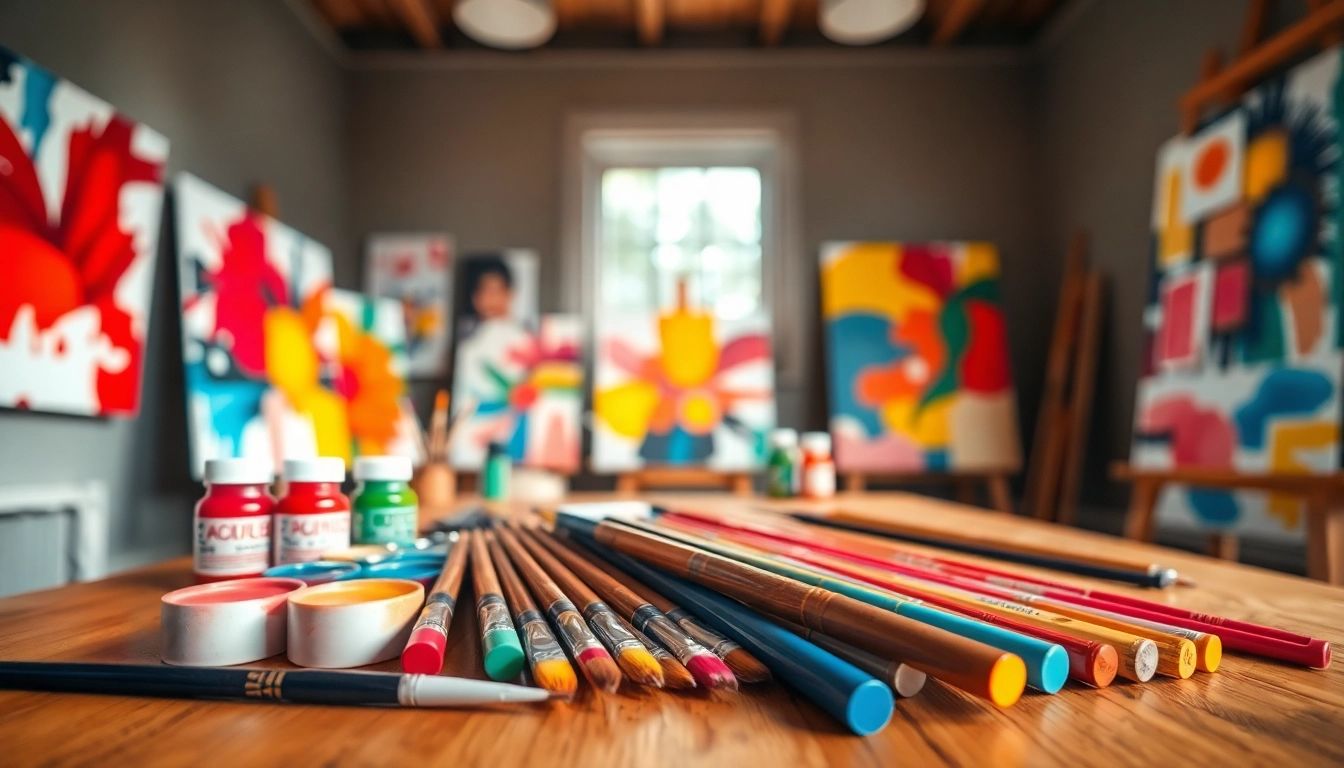

The Essentials of Acrylic Painting
Acrylic painting is a vibrant and versatile medium that attracts artists of all skill levels due to its quick-drying properties, ease of use, and adaptability. Whether you’re a beginner experimenting with color or an advanced artist looking to expand your repertoire, understanding the fundamentals of acrylic painting is essential. In this guide, we will explore everything from selecting the right materials to showcasing your finished work effectively. For more in-depth information about acrylics, visit https://acrylicpedia.com.
Choosing the Right Acrylic Paints
Acrylic paints come in various formulations, including student and professional grades. Student-grade paints are more affordable and have a wider range of colors, while professional-grade paints offer richer pigments and better consistency. When choosing the right acrylic paints, consider the following factors:
- Pigment Quality: High-quality pigments provide better coverage and vibrancy. They are more durable and lightfast, ensuring that your colors remain true over time.
- Viscosity: Acrylics range from fluid to thick, which affects how they can be used in your artwork. Fluid acrylics are great for washes and glazes, while heavy-body acrylics can create texture.
- Drying Time: Some acrylic paints dry faster than others, a factor to consider based on your painting style. Slower-drying acrylics allow more time for blending.
Understanding Brushes and Tools
The right brushes and tools are crucial in achieving the desired effects in acrylic painting. Here are the essentials:
- Types of Brushes: Round brushes are great for detail work, while flat brushes are ideal for covering larger areas. Fan brushes can help create unique textures.
- Palette Knives: Useful for mixing colors and applying thick paint or texture techniques. They come in various shapes and sizes for different effects.
- Sponges and Rags: These can be used for texture and blending, offering a different approach compared to traditional brushes.
Preparing Your Canvas for Painting
Canvas preparation is vital for a successful painting experience. Here are the steps to prepare:
- Select Your Canvas: Choose between pre-stretched canvas, canvas boards, or paper designed for acrylic. Each option has unique textures and characteristics.
- Prime the Surface: Use gesso to prime the canvas, which creates an ideal surface for paint adherence and can help enhance color brightness.
- Sketch Your Design: Lightly sketch your composition with a pencil or charcoal, ensuring it does not interfere with the paint.
Basic Techniques for Beginners
Once you have gathered your materials and prepared your canvas, it’s time to dive into some basic acrylic techniques that every beginner should learn.
Layering and Blending Colors
Layering is a fundamental technique in acrylic painting that allows you to create depth and richness in your colors. Begin by applying a base layer and allow it to dry before adding additional layers. Blending colors can be accomplished using different methods:
- Wet-on-Wet: Apply wet paint directly onto wet paint, allowing for smooth transitions and soft edges.
- Wet-on-Dry: Apply wet paint over dry paint for sharper edges and more defined shapes.
- Glazing: Use a thin layer of transparent paint to alter the color beneath and create luminous effects.
Utilizing Texture in Your Work
Textured surfaces can add interest and dimension to your artwork. Some effective ways to incorporate texture include:
- Impasto: Apply thick layers of paint to create a three-dimensional effect. Use a palette knife or a thick brush to achieve this.
- Adding Materials: Incorporate various materials like sand, fabric, or paper into your painting to create unique textures and effects.
- Stenciling: Use stencils to create patterns and textures in your work, providing contrast against smooth areas.
Creating Backgrounds and Foregrounds
Understanding how to create compelling backgrounds and foregrounds can make a significant difference in your artwork. Here’s how:
- Background Techniques: Use lighter colors or blurred edges for backgrounds to create depth and focus attention on the foreground.
- Foreground Focus: Ensure that your foreground elements are clear and vibrant to draw viewers in. This may involve using more intense colors and detailed brushwork.
- Layering Elements: Use layered transparency to create a sense of depth, making objects appear closer or further away.
Advanced Acrylic Techniques
Once you’ve mastered the basics, it’s time to explore more advanced techniques that will expand your skills and creativity.
Watercolor Effect with Acrylics
Acrylics can mimic the transparent qualities of watercolor through dilution. Achieving this effect involves:
- Dilution: Use water or acrylic mediums to thin paint, allowing for washes and layers that have translucency.
- Wet-on-Wet Application: Like in watercolor, apply wet paint to wet paper or canvas to allow colors to blend naturally.
- Glazing: Establish a foundational layer and apply multiple washes to create depth and richness.
Mixed Media Approaches
Mixed media incorporates other materials with acrylics, creating unique artworks. Consider these ideas:
- Collage Elements: Integrate paper, fabric, or other materials into your painting to enhance its narrative.
- Use of Other Mediums: Combine oils, pastels, or charcoal to add different textures and effects to your acrylic paintings.
- Layering Different Mediums: Experiment with layering techniques using various art supplies to achieve depth and complexity.
Creating Contrast and Depth
Contrast and depth are essential for making your paintings vibrant and engaging. Here are methods to emphasize these elements:
- Color Contrast: Use complementary colors to make elements pop and draw attention.
- Value Contrast: Incorporate light and dark colors to create depth; this can be achieved through shading and highlights.
- Line and Shape Variations: Alter the thickness or direction of lines and forms to create visual interest and depth in your composition.
Common Challenges in Acrylic Painting
Acrylic painting presents unique challenges, but understanding how to solve common issues can improve your overall experience and results.
Dealing with Streakiness and Blotches
Streaky or blotchy areas can detract from the overall quality of your work. Here are tips to combat this issue:
- Your Brush Technique: Ensure you use even strokes and varying brush angles to avoid build-up of paint in certain areas.
- Paint Consistency: If using thick paint, consider diluting it slightly or using a medium to enhance flow.
- Even Application: Focus on applying even layers, allowing each layer to dry completely before adding the next.
How to Fix Mistakes Effectively
Mistakes happen in art; however, many can be resolved easily:
- Layering Over Mistakes: Simply apply a new layer of paint over any mistakes, blending it into surrounding areas.
- Water Spritzer: Lightly spritzing water can help dissolve errors; blot them with a paper towel for correction.
- Gesso for Reset: Apply gesso onto the unwanted area; once dried, you can repaint the section anew.
Avoiding Drying Issues
Acrylics dry quickly, which can be both an advantage and a challenge. Consider these tips:
- Stay Spritzed: Keep a spray bottle nearby to mist your palette and canvas if the paint starts to dry too quickly.
- Use a Retarder: Incorporate a retarding medium into your paints to slow down the drying time.
- Work in Sections: Focus on one area at a time, allowing you to refine details before the paint dries.
Showcasing Your Artistic Work
Finalizing your painting is just the beginning. Properly showcasing your artwork can elevate it and provide opportunities for recognition.
Finding the Right Display Options
How you display your artwork can greatly influence how it is perceived:
- Framing: Choose a frame that complements your artwork without overshadowing it. Matte and glass options can enhance visual appeal.
- Hanging Techniques: Utilize appropriate wall mounts or stands based on the size and weight of your piece to ensure safety and stability.
- Lighting: Consider the use of natural and artificial light to showcase your art, emphasizing colors and textures.
Promoting Your Art Online
In today’s digital age, having an online presence is essential for artists:
- Social Media: Utilize platforms like Instagram and Pinterest to showcase your artwork and connect with followers.
- Creating a Portfolio: Develop a cohesive online portfolio showcasing your best pieces; this can attract potential buyers and galleries.
- Engagement: Engage with your audience through live painting sessions, tutorials, and Q&A to build a loyal following.
Connecting with the Acrylic Art Community
Being part of the artistic community can provide you with valuable support and feedback:
- Join Local Clubs: Participate in art clubs or workshops in your area to meet fellow artists and exchange ideas.
- Online Forums: Engage in online art forums and groups to share experiences, tips, and encouragement.
- Participate in Exhibitions: Submit your work to local and national exhibitions to gain exposure and network with other artists.