Understanding Trencher Rental Types
When planning a digging or landscaping project, understanding the various trencher rental options available is crucial to ensuring you choose the right equipment. Trencher rentals come in a variety of types, each designed for specific applications and terrain. This section will delve into the three main types of trenchers: ride-on trenchers, walk-behind trenchers, and specialty trenchers, highlighting their unique characteristics, benefits, and when to utilize them.
1. Ride-On Trenchers
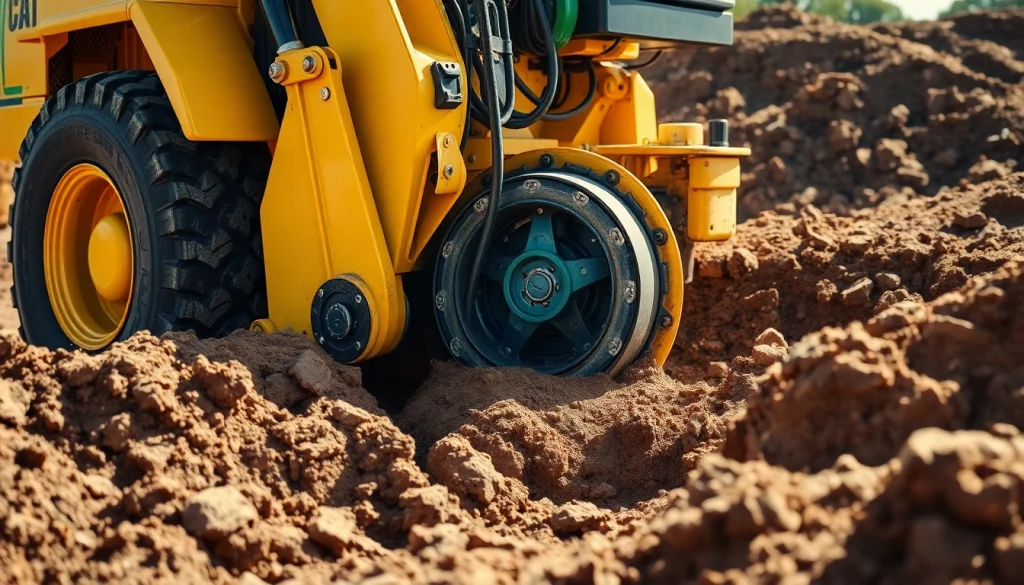
Ride-on trenchers are robust machines designed for large-scale projects requiring efficient, deep digging. These trenchers can typically dig trenches up to 36 inches deep and are ideal for contractors working on pipeline installations, irrigation, and larger landscaping jobs. The primary advantage of ride-on trenchers is their ability to cover expansive areas quickly, thanks to their powerful engines and cutting technology.
Moreover, ride-on trenchers provide increased operator comfort and visibility compared to walk-behind models, making them a preferred choice for lengthy or demanding jobs. However, they are often heavier and may require a larger transport vehicle.
2. Walk-Behind Trenchers
For smaller projects, walk-behind trenchers are an excellent option. These machines are more portable, allowing for easy maneuvering in tight spaces, making them suitable for residential landscaping, utility installations, and foundation work. Walk-behind trenchers typically dig shallower trenches, usually up to 24 inches deep, but they offer the advantage of being user-friendly and cost-effective.
Operators can control the depth and width of the trench more easily, and maintenance is typically lower than that of ride-on units. Their lightweight nature makes them convenient for DIY enthusiasts as well as professionals working on smaller projects.
3. Specialty Trenchers
Specialty trenchers cater to unique applications that require specific digging capabilities. For example, some models may focus on niche functions, such as landscape trenchers designed specifically for planting trees and shrubs. Others may be equipped with specific attachments for creating trenches for electric lines or other specialized installations.
Investing in specialty trenchers can save time and reduce labor costs, as they are tailor-made for specific tasks. It is essential to evaluate your project’s unique requirements before deciding on this option.
Choosing the Right Trencher for Your Project
Selecting the correct trencher involves understanding various project requirements, evaluating terrain, and considering factors like job size and duration. This section will guide you through these critical considerations to ensure you rent the most suitable trencher for your project.
1. Assessing Project Requirements
Before renting a trencher, assessing your project’s unique requirements is essential. Consider factors like trench depth, width, and soil type to determine which type of trencher will best fit your needs. For instance, if you’re digging for a large irrigation project, a ride-on trencher may be necessary, while a walk-behind model effectively serves smaller landscaping tasks.
Furthermore, discuss your project with rental specialists who can provide guidance on what equipment would work best given your project’s details and objectives.
2. Evaluating Terrain and Soil Types
The terrain and soil types where you’ll be working significantly influence which trencher is best for your project. Softer soils, such as loam, are easier to excavate and will require a less powerful trencher. In contrast, rocky or clay-rich soil demands a more robust machine with advanced cutting capabilities.
It’s crucial to conduct a thorough site assessment prior to selecting a trencher. Doing so not only helps in choosing the right equipment but can also prevent complications during operation.
3. Considering Job Size and Duration
Job size and duration are also paramount when determining the type of trencher to rent. For larger jobs extended over days or weeks, opting for a ride-on trencher can enhance productivity and efficiency. Conversely, for smaller jobs that can be completed within a day, a walk-behind trencher may suffice.
Evaluate how long the trencher will be in use; longer rentals may offer discounted rates, while short-term needs may benefit from the flexibility of walk-behind models.
Costs Associated with Trencher Rental
Understanding the costs associated with trencher rentals is paramount for effective budgeting. Several factors influence rental rates, including type, duration, and any additional fees. This section breaks down these costs, providing insights to help manage your budget thoughtfully.
1. Daily vs. Weekly Rates
Rental pricing structures typically vary between daily, weekly, and monthly plans. Daily rates for trenchers may start around $150 to $300, depending on the machine’s size and capabilities. Weekly rates usually provide significant savings, allowing you to rent the same equipment for roughly $750 to $1,500, translating to a cost-effective option for longer projects.
It’s advisable to compare these rates against your project’s timeline to determine the best economical choice. Speak with rental companies about any available discounts for extended rentals.
2. Additional Fees and Insurance
When renting a trencher, be aware of additional fees that may apply. Delivery and pickup fees can add significant costs, and equipment insurance is often recommended to cover potential damages during use. Some rental companies may charge maintenance fees or require the equipment to return in clean condition to avoid additional charges.
Negotiate with rental agencies and clarify all potential fees before finalizing your agreement to sidestep any unexpected costs.
3. Cost-Saving Tips for Rentals
To optimize your trencher rental savings, consider the following tips:
- Advance Booking: Many companies offer discounts for early bookings, giving you time to secure the best equipment at an affordable price.
- Bundle Equipment: Renting multiple types of equipment may result in discounts. Check if rental services offer package deals.
- Maintenance Checks: Thoroughly inspect the trencher before taking possession. A well-maintained machine minimizes the risk of additional charges during rental.
Best Practices for Operating a Trencher
Successfully operating a trencher requires adherence to best practices concerning safety protocols, maintenance, and troubleshooting common issues. This section outlines key strategies to ensure efficient and safe operation of trencher equipment.
1. Safety Protocols to Follow
When operating a trencher, safety must be a priority to prevent accidents and injuries. Always wear appropriate personal protective equipment (PPE), including helmets, gloves, and safety goggles. Ensure that bystanders maintain a safe distance from the working area to avoid injuries from flying debris or equipment malfunctions.
Additionally, ensure the area around the trencher is clear of obstacles, and perform a thorough pre-operation inspection to ensure everything is functioning correctly.
2. Maintenance Tips During Use
To maintain optimal performance while utilizing a trencher, follow these simple maintenance tips:
- Regular Inspections: Continuously check hydraulic fluid, fuel levels, and cutting components during operation to avoid downtime.
- Keep the Equipment Clean: Cleaning the trencher after each use helps prolong its lifespan and ensures efficient operation.
- Report Issues Promptly: If any malfunction occurs, cease operation immediately and report the issue to the rental company for resolution.
3. Troubleshooting Common Issues
Even with diligent maintenance, issues may arise during operation. Here are common problems and basic troubleshooting steps:
- Trencher Won’t Start: Check the fuel level and battery connections. Ensure all safety switches are in the correct position.
- Poor Cutting Performance: Inspect the cutting teeth for wear and replace them if necessary. Ensure the trencher is properly aligned.
- Hydraulic Problems: Look for leaks or low fluid levels and address them accordingly. Regular hydraulic fluid checks can prevent this issue.
Frequently Asked Questions About Trencher Rental
1. What is the average rental cost for a trencher?
Rental costs vary based on size and type. Expect around $312/day for a ride-on trencher, with walk-behind models being more affordable.
2. What factors influence the rental price?
Price factors include trencher size, rental duration, any additional equipment, and delivery fees. Always clarify these aspects during rental inquiries.
3. Do I need special training to operate a trencher?
Basic training or experience is helpful, but many rental services provide guidance and instructions for proper operation upon rental.
4. How can I ensure the trencher is in good condition?
Check for maintenance records and inspect the equipment before use. Rentals usually come serviced, but confirming is always wise.
5. Where can I find a trencher rental near me?
Online platforms and local equipment rental services often list trenchers available for rental. Look for options within your vicinity to save transport costs.