Understanding Lighting Maintenance
Definition and Importance of Lighting Maintenance
Lighting maintenance refers to the systematic approach of caring for and servicing lighting systems to ensure optimal performance, safety, and energy efficiency. It’s a critical aspect of facility management, particularly in commercial environments, where lighting plays a vital role in productivity and ambiance. Regular lighting maintenance ensures the longevity of fixtures and minimizes disruptions due to unexpected failures.
The importance of lighting maintenance transcends mere aesthetics; it directly impacts safety and operational efficacy. Well-maintained lighting reduces the risk of accidents, enhances the visibility of workspace, and can significantly influence mood and productivity levels among occupants.
Common Types of Lighting Systems
Lighting systems can vastly differ depending on the application, environment, and type of technology used. Common types include:
- Fluorescent Lighting: Typically used in commercial spaces for its efficiency.
- LED Lighting: Known for longevity and energy savings, ideal for both indoor and outdoor applications.
- Incandescent Lighting: Less common now, but still used for decorative purposes.
- Halogen Lighting: A type of incandescent that offers brighter light and is often used in spotlighting.
- Smart Lighting: Integrates with technology to allow for remote control and automation.
Benefits of Regular Lighting Maintenance
The benefits of maintaining lighting systems are manifold:
- Enhanced Safety: Properly maintained lighting minimizes hazards associated with poor visibility and electrical faults.
- Cost Savings: Regular checks can prevent expensive repairs and replacements.
- Improved Energy Efficiency: Ensures fixtures operate at peak efficiency, reducing energy consumption.
- Extended Lifespan: Regular maintenance enhances the lifespan of bulbs and fixtures.
- Better Aesthetics: Consistently functioning lights contribute to a well-kept appearance.
Signs Your Lighting Needs Maintenance
Dim or Flickering Lights
Dim or flickering lights are one of the most common indicators that your lighting requires attention. Flickering can be a signal of loose connections, while dim lights may indicate the end of a bulb’s life span or issues with the electrical circuit. Addressing these symptoms early can prevent more significant issues down the line.
Unusual Sounds or Smells
If you detect buzzing, humming, or any unusual sounds coming from the lighting fixtures, this could indicate problems with the electrical components. Similarly, any burning smell could suggest overheating or faulty wiring. These signs should be treated as urgent, and professional inspections should be sought immediately.
Frequent Burnouts
Experiencing frequent light bulb burnouts is not just an inconvenience; it can signify more severe electrical issues. This may stem from incorrect voltage levels or poor-quality fixtures, and its persistence warrants a thorough evaluation by an electrical specialist.
Best Practices for Lighting Maintenance
Scheduled Inspections and Testing
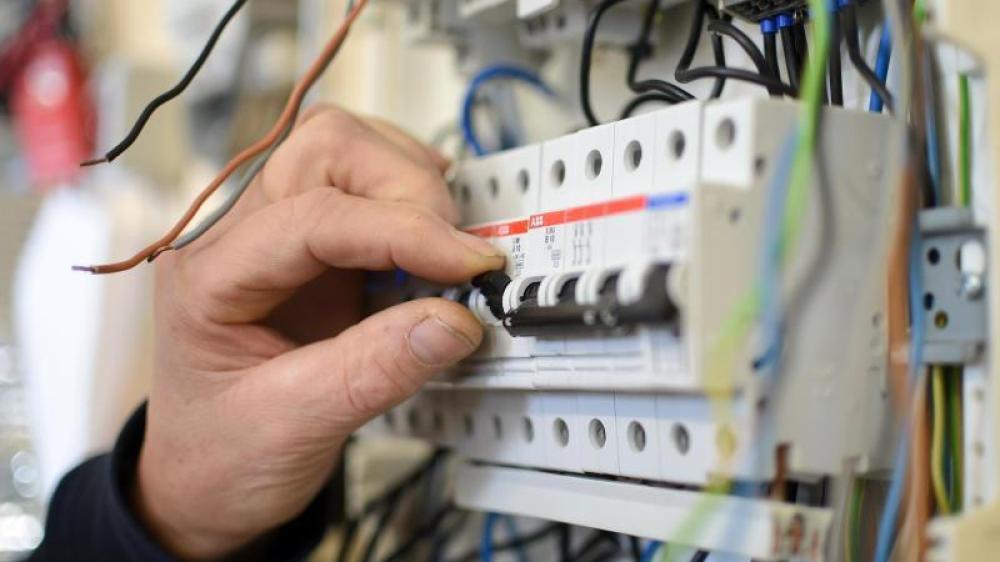
Implementing a routine schedule for inspections and testing can significantly enhance the reliability of your lighting systems. Annual or bi-annual assessments allow for the early detection of potential problems. During inspections, check wiring, circuits, and fixtures for wear and tear, and replace any defective components promptly.
Choosing the Right Equipment
Investing in quality lighting fixtures and components is paramount for long-term sustainability. Select equipment designed for longevity and energy efficiency. While it may require a higher initial investment, the reduced energy costs and longer lifespan will save money over time.
Utilizing Professional Services
Hiring professional services for your lighting maintenance needs can ensure that all aspects are thoroughly addressed. Professionals possess the expertise and tools to conduct detailed inspections, detect hidden issues, and perform necessary repairs safely and efficiently. Depending on the complexity of the lighting system, this could be done annually or bi-annually.
Cost Savings Through Lighting Maintenance
Energy Efficiency Improvements
One of the foremost advantages of diligent lighting maintenance is improved energy efficiency. Regular maintenance helps keep fixtures clean and functioning optimally, significantly reducing energy consumption and lowering monthly electricity bills.
Moreover, switching to energy-efficient lighting solutions, such as LEDs, can drastically reduce expenditure over time, making energy savings a critical return on investment.
Reducing Downtime and Repairs
Conducting regular maintenance decreases the likelihood of unexpected failures and downtime that can disrupt business operations. By identifying potential issues early, you can avoid costly repairs and the associated business interruptions that arise from equipment failures.
Long-term Benefits of Investment
Investing in lighting maintenance not only extends the life of your fixtures but also enhances overall operational efficiency. When lighting systems perform reliably, businesses can avoid the cumulative costs associated with repairs and replacements, leading to significant long-term savings.
FAQs about Lighting Maintenance
How often should lighting maintenance be performed?
It’s advisable to conduct lighting maintenance at least annually, but high-use areas may require more frequent checks to ensure optimal functioning.
What are the signs that my lighting needs attention?
Common signs include flickering lights, frequent burnouts, or unusual sounds and smells, indicating potential electrical issues requiring attention.
Can I perform lighting maintenance myself?
While some basic tasks can be DIY, it’s best to hire professionals for complex inspections and repairs to ensure safety and compliance with electrical standards.
What are the benefits of energy-efficient lighting?
Energy-efficient lighting reduces energy consumption, diminishes electricity costs, and prolongs bulb life, leading to lower maintenance and replacement expenses.
What tools are essential for lighting maintenance?
Essential tools include screwdrivers, multimeters, ladders, and cleaning supplies, enabling comprehensive checks and upkeep of lighting fixtures.