
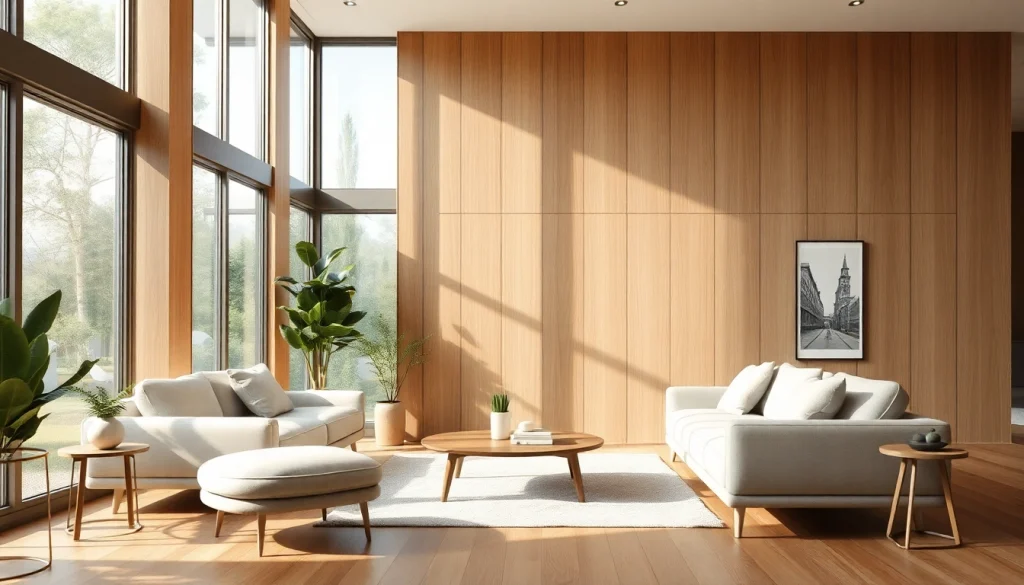
Introduction to Wood Panel
The wood panel is an increasingly popular choice among architects and interior designers, recognized for its aesthetic appeal and functional benefits. This article explores the versatility of wood panels, offering insights into their types, installation, maintenance, and how they can enhance your home or office environment.
What is Wood Panel?
Wood panels are manufactured boards made of natural wood, engineered wood, or a combination of both, designed for various applications in construction and interior design. Available as solid boards or composite panels, they come in various finishes, including smooth, textured, and patterned. Wood panels are versatile and can be used for walls, ceilings, cabinetry, and furniture.
Benefits of Using Wood Panel in Interiors
Incorporating wood panels in interior spaces offers several distinct advantages:
- Aesthetic Appeal: Wood panels provide a natural beauty and warmth that can complement any interior design style, from rustic to modern.
- Versatility: With various types and finishes available, wood panels can be customized to fit any project.
- Improved Acoustics: Wood panels can help reduce noise, making them ideal for areas where sound control is essential.
- Durability: High-quality wood panels are sturdy and can withstand wear and tear, ensuring longevity.
- Eco-Friendly Options: Sustainable varieties, such as reclaimed wood or responsibly sourced timber, contribute to environmentally friendly design practices.
Types of Wood Panel Available
Wood panels come in various categories, each catering to specific needs and preferences. Here’s a closer look at some popular types:
- Solid Wood Panels: Made from single pieces of timber, offering a classic look and superior durability.
- Engineered Wood Panels: Composed of layers of wood veneers bonded together, providing a more stable structure that is less prone to warping.
- Composite Wood Panels: Made from a mixture of wood fibers and resins, these panels can mimic solid wood’s appearance while being more affordable.
- Acoustic Wood Panels: Designed specifically for sound absorption, these panels enhance the acoustic quality of rooms, making them favored in recording studios and theaters.
- Decorative Wood Panels: Featuring unique designs and finishes, these panels can serve as statement-making wall features.
Choosing the Right Wood Panel for Your Project
When selecting a wood panel for your project, consider various factors to ensure you make the best choice for your needs and style.
Factors to Consider When Selecting Wood Panel
Choosing the right wood panel involves evaluating several critical elements:
- Purpose: Determine the intended use of the panel—whether for aesthetic accent, soundproofing, or functionality.
- Budget: Assess your budget as prices vary widely based on the type of wood and manufacturing processes.
- Environment: Know where the panel will be installed, as humidity and temperature can affect certain types of wood.
- Sustainability: Consider sourcing panels that are sustainably harvested or made from reclaimed materials.
Popular Styles and Finishes
Wood panels offer an extensive array of styles and finishes to complement your design vision:
- Natural Finish: Highlighting the wood’s authenticity and grains, perfect for a rustic look.
- Painted Finish: Available in various colors, offering unlimited customization options.
- Stained Finish: Enhancing the wood’s color while maintaining its natural texture, often used for a more polished look.
- Textured Finish: Features grooves or patterns for added visual interest and depth.
Impact on Room Atmosphere
The chosen wood panel can dramatically affect a room’s feel:
- Warmth: Wood panels evoke a sense of warmth and comfort, making spaces feel inviting.
- Elegance: Well-finished wood panels convey sophistication and timelessness.
- Sound Management: Acoustic panels significantly contribute to quiet spaces, enhancing the overall atmosphere.
- Modern Aesthetic: Sleek and smooth wood panels are hallmarks of contemporary design, promoting minimalism and functionality.
Installation Tips for Wood Panel
Installing wood panels can be a straightforward task if approached correctly. Follow these tips for a successful installation.
Preparing Your Walls for Wood Panel
Preparation is crucial for ensuring a successful installation:
- Inspect the wall surface for any damage and repair it before proceeding.
- Ensure the wall is clean and dry, which is essential for proper adhesion.
- Measure and mark the wall to determine where the panels will be installed.
Step-by-Step Installation Guide
Follow this guide for effective wood panel installation:
- Lay out the panels on the floor to visualize your final layout and make adjustments as needed.
- Start from a corner or the bottom of the wall, applying adhesive or using nails/screws for fastening.
- Continue placing panels, ensuring they fit snugly against one another while maintaining the intended pattern.
- Cut panels as necessary to fit around outlets and corners, using appropriate tools for safety and accuracy.
- Finish with trim or molding as desired to achieve a polished look.
Common Mistakes to Avoid
To ensure your installation process is successful, be mindful of the following common mistakes:
- Inaccurate Measurements: Always measure twice to avoid costly mistakes.
- Ignoring Humidity Changes: Be aware of humidity levels when choosing the type of wood panel, which can prevent warping.
- Neglecting to Secure Properly: Ensure panels are adequately secured to avoid gaps or detachment over time.
- Inconsistent Finishing: If staining or painting, ensure even application for a seamless look.
Caring for Your Wood Panel
Proper maintenance of your wood panel is essential to keep it looking great and prolong its life.
Proper Cleaning Techniques
Regular cleaning will help maintain your wood panel’s appearance:
- Dust the surface with a soft cloth regularly.
- Use a mild detergent mixed with water for deeper cleaning, avoiding harsh chemicals that can damage the finish.
- Wipe again with a dry cloth to avoid moisture buildup.
Maintaining the Finish of Wood Panel
To preserve the finish of your wood panels:
- Consider using a sealant finish to protect against scratches and spills.
- Reapply finishes periodically, especially for high-traffic areas or those exposed to moisture.
When to Refinish or Replace
Know when it’s time to take action:
- A timely refinishing may be required when the finish appears worn or dull.
- Replace panels if they become severely damaged, warped, or show signs of mildew that cannot be removed.
Frequently Asked Questions about Wood Panel
What is the cheapest way to panel a wall?
The most economical way to panel a wall is using plywood or MDF, which typically costs between $1 to $3 per square foot.
Is wood paneling out of style?
Wood paneling is making a comeback, evolving in design and finishes to fit contemporary aesthetics, and remains popular for its warmth.
How can I enhance the acoustics with wood panel?
Using acoustic wood panels specifically designed to absorb sound frequencies will significantly improve room acoustics.
What are the common dimensions for wood panel?
Standard dimensions include 4’x8′, 4’x10′, and customized sizes based on project needs. Thickness varies from 1/4″ to 3/4″.
Can I install wood panel myself?
Yes, with basic tools and following installation guidelines, most homeowners can successfully install wood panels themselves.