
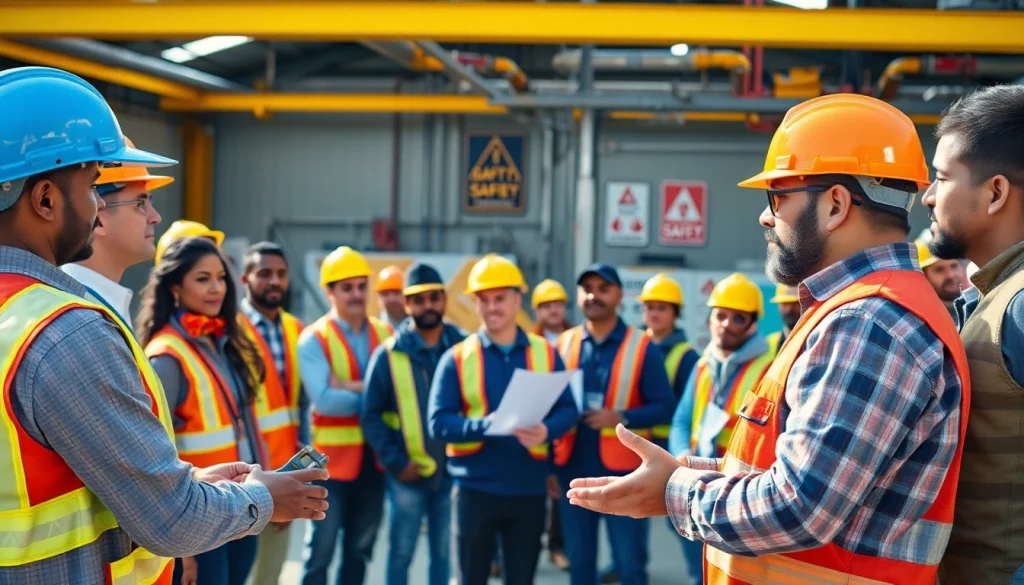
Understanding the Importance of Construction Safety Training
In the construction industry, safety cannot be overstated; it is crucial not only for the workers’ well-being but also for the overall success of a project. A commitment to construction safety training can prevent accidents, reduce liability, and foster a culture of safety. By understanding its importance, we can better mitigate risks and ensure a secure working environment for all employees.
Why Safety Training Is Essential
Construction sites are inherently hazardous, exposing workers to various risks. Implementing safety training equips employees with the knowledge and skills necessary to identify potential dangers and take decisive action to mitigate them. A well-trained workforce leads to fewer accidents, which translates into lower insurance costs and fewer lost workdays. Moreover, regulations increasingly mandate safety training, ensuring compliance and safeguarding both workers and employers legally. Ultimately, investing in safety training reflects a company’s commitment to its employees’ health and fosters trust among the workforce.
Common Risks in the Construction Industry
The construction industry is fraught with various hazards, including but not limited to:
- Falls: One of the leading causes of fatalities on construction sites, falls can occur from heights, scaffolding, ladders, and even trenches.
- Struck-by Objects: Workers can be at risk of injury from falling tools, machinery, or materials.
- Electrocution: Contact with live wires or faulty equipment can lead to severe injuries or fatalities.
- Respiratory Hazards: Dust, fumes, and chemicals can pose long-term health risks if not properly managed.
- Machinery Accidents: Improper use or malfunction of heavy machinery can lead to severe injuries.
Regulatory Standards for Safety Training
Various organizations set standards to ensure safety in the construction industry. The Occupational Safety and Health Administration (OSHA) is one of the primary authorities in the U.S., establishing regulations that require construction safety training to give workers knowledge about risks and safety procedures. Compliance with these standards not only promotes safety but also protects companies from legal liabilities in the event of accidents.
Core Components of Effective Construction Safety Training
Essential Topics to Cover
A comprehensive construction safety training program should cover key topics, including:
- Personal Protective Equipment (PPE): Training on the correct selection, use, and maintenance of PPE can significantly reduce injuries.
- Hazard Communication: Workers need to understand chemical safety, including Material Safety Data Sheets (MSDS).
- Fall Protection: Knowledge of required safety measures and equipment, including harnesses and guardrails, is crucial.
- Emergency Response: Employees should be trained on how to react in emergencies, including fire drills and first aid.
- Tool Safety: Proper use and maintenance of tools to minimize the likelihood of accidents.
Methods of Delivery: Classroom vs. Practical
Effective safety training combines various methods of delivery—classroom instruction provides theoretical knowledge, while practical training ensures that workers can apply what they’ve learned. Hands-on training in simulated work environments enables workers to practice safety protocols realistically. The balance of both approaches creates a well-rounded educational experience that enhances retention and application of safety practices.
Utilizing Technology in Training
Incorporating technology into construction safety training can improve engagement and effectiveness. Virtual reality (VR) simulations allow workers to experience high-risk scenarios in a controlled environment without real-world consequences. eLearning modules enable employees to study at their own pace and revisit materials, which enhances understanding. Additionally, mobile applications can provide real-time access to safety protocols and resources on-site, ensuring that workers always have critical information at their fingertips.
Implementing Construction Safety Training Programs
Steps to Create a Safety Training Program
Creating an effective construction safety training program requires careful planning and execution:
- Assess Needs: Conduct a needs assessment to determine the specific safety issues present on your construction sites.
- Develop Curriculum: Tailor your training content to address the identified needs, incorporating regulations and best practices.
- Choose Instructors: Select qualified trainers with experience in the construction industry and expertise in safety regulations.
- Schedule Training: Plan regular training sessions to accommodate all employees and ensure participation.
- Evaluate and Refine: After each session, gather feedback to identify areas for improvement.
Incorporating Feedback and Improvement
To maintain high standards, it is essential to incorporate feedback from participants. Solicit input through surveys or discussions after training sessions to understand the effectiveness and clarity of delivered content. Regularly review training materials to ensure they comply with current regulations and reflect best practices. Continuous improvement demonstrates to employees that their safety is valued, fostering a stronger culture of safety.
Setting Up Regular Training Refreshers
Frequent refresher training sessions are crucial for reinforcing safety principles. Construction safety training should not be a one-time event; instead, establish a schedule for regular refreshers. This helps keep safety awareness top of mind, reinforces best practices, and updates workers on any new regulations or techniques. Incorporating dynamic training methods—like scenario-based drills—enhances engagement and retention, ensuring a well-prepared workforce.
Measuring the Success of Construction Safety Training
Key Performance Indicators for Training Programs
To gauge the effectiveness of training programs, monitor relevant Key Performance Indicators (KPIs), such as:
- Incident Rates: Track the number of accidents before and after training to identify improvements.
- Employee Feedback: Collect evaluations on training sessions to understand employee perceptions and areas needing improvement.
- Compliance Rates: Measure adherence to safety regulations pre- and post-training.
- Observation Metrics: Conduct regular site inspections to ensure safety protocols are being followed and identify any recurring issues.
Conducting Evaluations and Assessments
Regular evaluations of training programs ensure they remain effective and relevant. Prior to and after training, administer assessments to measure knowledge retention. Continuous assessments throughout the work environment can also provide insights into practical application. These evaluations can inform the adjustment of training programs to address evolving safety challenges in the construction sector.
Real-World Case Studies and Outcomes
Examining real-world examples can highlight the impact of effective training. For instance, a construction firm implemented a comprehensive training program that reduced its incident rate by over 40% within a year. After the training sessions, workers felt more confident and aware, leading to proactive identification and resolution of unsafe conditions. These results underscore the value of investing in robust construction safety training programs across the industry.
Frequently Asked Questions About Construction Safety Training
What is the purpose of construction safety training?
The primary purpose of construction safety training is to equip workers with the knowledge and skills needed to operate safely, minimize risks, and prevent accidents on the job site.
How often should safety training be conducted?
Safety training should be conducted regularly, with initial training provided during onboarding and refreshers scheduled annually or whenever new practices or regulations arise.
What qualifications should trainers have?
Trainers should have relevant experience in the construction industry, familiarity with safety regulations, and certifications from recognized safety organizations to ensure effective training delivery.
What are the costs associated with safety training?
Costs can vary significantly based on training methods and materials, but investing in safety training is usually outweighed by the potential savings from reduced accidents and liability claims.
Can technology enhance construction safety training?
Absolutely! Technology, such as VR training simulations and mobile training applications, can enhance engagement and retention, improving workers’ understanding of safety protocols.