
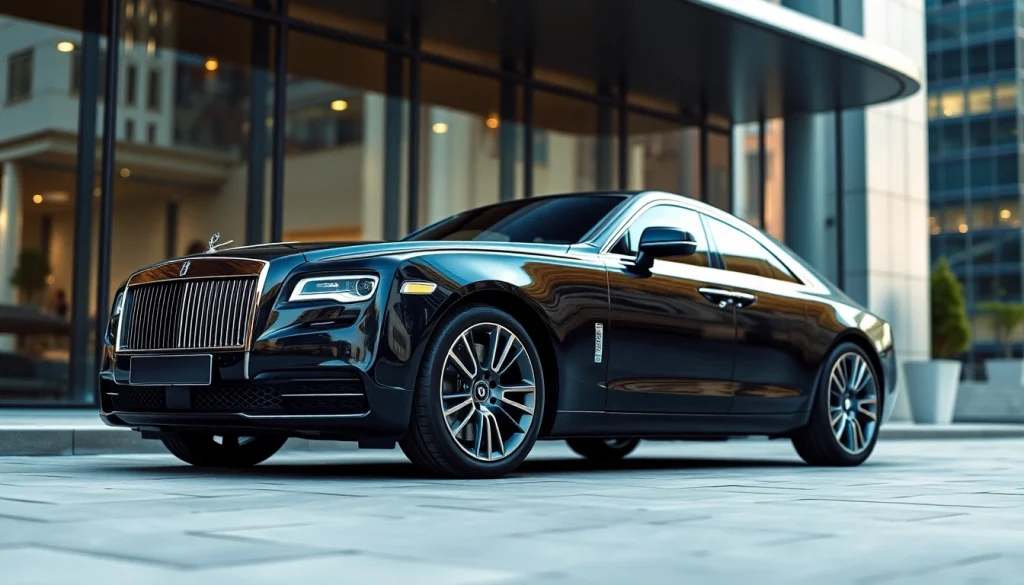
Understanding Extended Warranty for Luxury Cars
What is an Extended Warranty?
An extended warranty is a service contract that extends the coverage of a vehicle beyond the manufacturer’s original warranty. For owners of luxury cars, an extended warranty often encompasses repairs and service for high-end parts and systems. It essentially offers peace of mind against costly repair bills that may arise after the original warranty period expires. This type of warranty can cover a broad spectrum of issues, including electrical failures, engine problems, and transmission issues, ensuring that these expensive components remain protected. For those considering investing in an extended warranty for luxury cars, it is essential to understand its specifics and benefits peculiar to high-end vehicles.
Key Benefits of Extended Warranty for Luxury Cars
Owning a luxury vehicle entails not just an elevated driving experience but also significant maintenance costs. An extended warranty provides several key benefits:
- Financial Protection: Luxury cars often have specialized parts that can be extraordinarily expensive to replace. An extended warranty reduces the financial burden of unexpected repairs.
- Peace of Mind: Knowing that repairs are covered allows owners to drive their luxury cars with confidence, avoiding the stress of potential costly repairs.
- Transferable Coverage: Many extended warranties are transferable, enhancing the resale value of luxury vehicles by assuring potential buyers against future repair costs.
- Convenience: Extended warranties often cover rental car expenses should the vehicle require extensive repairs, meaning less interruption to the owner’s lifestyle.
How Extended Warranties Differ from Standard Warranties
Standard warranties, often included with the purchase of a vehicle, typically cover repairs for a set period or until a certain mileage is reached. Conversely, extended warranties are purchased separately and extend coverage beyond this timeframe. While standard warranties focus on basic defects in materials and workmanship, extended warranties may cover additional failures associated with luxury vehicles’ complex systems. Additionally, extended warranties may come with customizable options that increase the peace of mind for owners of luxury cars.
Assessing Coverage Options
Types of Coverage Plans Available
Choosing the right extended warranty plan for luxury cars involves understanding the different types of coverage available. Here are the primary categories:
- Powertrain Coverage: This plan covers essential components of the vehicle’s engine, transmission, and drive systems, which are critical to the operational mechanics.
- Comprehensive Coverage: Offering the most extensive protection, this type of coverage includes virtually all vehicle parts, excluding routine maintenance and wear items like brake pads and tires.
- Named Component Coverage: This plan lists specific components that are covered, which can be a cost-effective solution if an owner understands which parts are most likely to fail.
- Umbrella Coverage: This hybrid option combines several coverages into one comprehensive package, ideal for those wanting the most extensive protection possible.
Comparing Coverage with Major Providers
When considering an extended warranty, it is essential to compare coverage terms, costs, and reputation across various providers. Exploring multiple options helps to identify the best plan suited for one’s luxury vehicle needs. Factors to assess include the reputation of the warranty provider in handling claims, the comprehensiveness of their coverage, and customer reviews. Price comparison tools can provide insights into typical costs associated with these plans, offering a clearer picture of expected investment for luxury car coverage.
Factors Influencing Coverage Costs
Several factors influence the cost of an extended warranty for luxury cars. Understanding these can help owners make informed decisions:
- Vehicle Make and Model: Luxury car brands generally have higher warranty costs due to expensive parts and labor rates.
- Coverage Duration: The length of the warranty coverage, whether it is two years or ten years, significantly affects pricing.
- Mileage Limits: Warranties with higher mileage limits may come at a higher cost due to the increased likelihood of repair needs.
- Deductible Choices: Higher deductible plans can lower the total premium but may result in higher out-of-pocket costs when repairs are needed.
Understanding the Cost Landscape
Evaluating Overall Costs for Extended Warranty for Luxury Cars
When evaluating the overall costs involved with an extended warranty for luxury cars, consider not just the premium but also potential repair costs without coverage. Owners should estimate the potential expenses based on vehicle inspections and historical data highlighting common issues pertinent to specific models. Calculating these figures can provide clarity on whether a warranty is a wise investment.
Hidden Fees You Need to Know
Many extended warranties may come with hidden costs that are not immediately apparent at the outset of purchase. Some of these fees can include:
- Activation Fees: Some providers may charge an activation fee for initiating coverage.
- Transfer Fees: If you sell your car and the warranty is transferable, a fee may apply to switch the warranty to the new owner.
- Administrative Fees: These may be tacked on for covering processing and claims paperwork.
Being aware of these potential hidden costs can allow owners to negotiate better terms and minimize unexpected expenses.
Tips for Negotiating Warranty Pricing
Negotiating the price of an extended warranty can save money and maximize coverage benefits. Here are actionable tips for successfully negotiating your warranty:
- Do Your Research: Gather quotes from multiple providers to establish a benchmark for pricing.
- Know Your Vehicle: Understanding your car’s common issues and repair costs increases your negotiation power.
- Be Prepared to Walk Away: Showing that you are willing to miss out can encourage providers to offer their best deals to earn your business.
- Ask About Bundles: Consider asking about packages that include additional services like roadside assistance for a better deal.
Claim Process and Customer Experience
How to File a Claim
Filing a claim for an extended warranty can often be straightforward, but it varies by provider. Typically, the process involves the following steps:
- Contact the warranty provider’s claims department and provide your policy number and details of the mechanical failure.
- Schedule an inspection or assessment with an authorized repair facility.
- Once repairs are completed, review the finalized claim with the warranty provider, ensuring all necessary documentation is submitted.
Efficient claims processing can significantly impact overall customer satisfaction, so knowing the procedure beforehand can help streamline the experience.
Understanding Claim Denials
There are various reasons why claims may be denied, and being aware of these can prevent frustration. Common factors that lead to claim denials include:
- Pre-existing Conditions: If the issue was already known prior to the start of the warranty, the claim may be denied.
- Lack of Maintenance Records: Providers often require proof of scheduled maintenance to validate claims.
- Non-covered Parts: Repairs to components not explicitly listed in the coverage plan will likely result in denial.
Read through your warranty documents thoroughly to understand covered and excluded items, reducing the risk of claim denial.
Customer Service Metrics to Keep in Mind
Assessing the customer service quality of an extended warranty provider is crucial in determining the overall experience. Metrics to consider include:
- Claim Approval Rate: A higher rate often indicates efficient processing and support.
- Average Claim Processing Time: The quicker the provider can process a claim, the better the customer experience.
- Response Time: How quickly the provider replies to inquiries reflects their commitment to customer service.
- Customer Reviews: Feedback from other luxury car owners can provide valuable insights into the provider’s reliability.
Frequently Asked Questions
What does an extended warranty cover?
Extended warranties typically cover unexpected mechanical failures and repairs beyond the manufacturer’s warranty period, protecting against high repair costs.
How long do extended warranties last?
Most extended warranties for luxury cars last between 2 to 10 years or a specific mileage limit, offering peace of mind over the vehicle’s lifespan.
Is an extended warranty worth it?
For luxury cars, an extended warranty can protect against expensive repairs, making it a valuable investment for owners who prioritize vehicle maintenance.
Can I transfer my warranty if I sell my car?
Yes, most extended warranties are transferable to new owners, which can enhance the resale value of luxury vehicles.
What should I consider before buying an extended warranty?
Consider the coverage options, claim process, reputation of the provider, and compare costs against potential repair expenses before purchasing.