Understanding Land Irrigation
What is Land Irrigation?
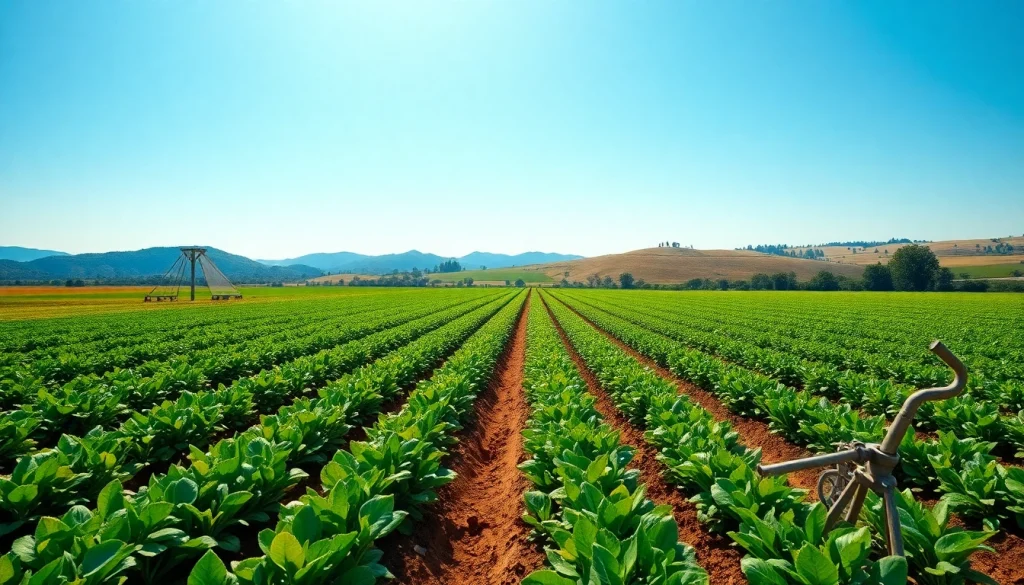
Land irrigation is the artificial application of water to soil or land to assist in the growing of agricultural crops, maintaining landscapes, or revegetating disturbed soils. This technique helps replenish soil moisture, boosts crop yields and ensures that plants have a consistent water supply. By utilizing land irrigation, farmers can significantly reduce dependency on rainfall, allowing for better management of agricultural practices.
The Importance of Land Irrigation
Land irrigation plays a vital role in agriculture, especially in regions prone to dry weather. The importance of land irrigation can be summarized in several key aspects:
- Food Production: Enhanced irrigation practices contribute to increased food production capability, making it possible to support growing populations.
- Drought Mitigation: With consistent irrigation, farmers can mitigate the impacts of drought, allowing for reliable crop yields even in arid conditions.
- Crop Variety: Land irrigation allows for the cultivation of a wider variety of crops that may not thrive in dry conditions, thereby increasing the diversity of agricultural products.
- Soil Preservation: Proper irrigation helps in maintaining soil structure and reduces the risk of soil erosion.
Types of Land Irrigation Systems
Understanding the different types of land irrigation systems is essential for farmers looking to optimize water usage and improve crop yields. Here are the primary systems:
- Surface Irrigation: This method involves directing water over the soil surface by gravity. It’s often the simplest method but requires proper land leveling to avoid water pooling.
- Drip Irrigation: Also known as trickle irrigation, this system provides water directly to the plant’s root zone through a network of tubing, minimizing waste and evaporation.
- Sprinkler Irrigation: This method mimics rainfall by distributing water through a system of pipes and spray heads, making it suitable for a wide range of crops.
- Subsurface Irrigation: Involves the placement of irrigation tubes below the soil surface, allowing for direct moisture delivery to roots, which is especially beneficial in sandy soil.
Common Challenges in Land Irrigation
Water Scarcity Issues
Water scarcity is a pressing global issue impacting agricultural practices worldwide. Factors contributing to water scarcity include climate change, population growth, and inefficient water management practices. Adapting to water scarcity requires innovation in irrigation techniques and exploring alternative water sources, such as treated wastewater.
Inefficient Irrigation Techniques
Many traditional irrigation methods can lead to significant water loss through evaporation and runoff. Farmers often face challenges in determining the optimal amounts of water needed for specific crops, which can further exacerbate water waste. Transitioning to advanced irrigation systems, like drip or sprinkler systems, can substantially mitigate these inefficiencies.
Sustainability Concerns
Sustainable agriculture hinges on using water efficiently for irrigation practices that do not deplete or harm natural resources. Over-irrigation can lead to soil salinization, impacting crop yields and soil health. Emphasizing sustainable practices and long-term solutions is essential for maintaining water quality and soil productivity.
Implementing Efficient Land Irrigation
Assessing Soil Needs and Water Requirements
To implement effective land irrigation, understanding soil needs and water requirements is paramount. Key aspects include:
- Soil Testing: Conduct soil tests to gauge pH level, nutrient content, and texture, which informs about drainage and retention capacities.
- Water Requirements: Different crops have varying water needs. Knowing how much water each crop requires helps avoid over- or under-irrigation.
Choosing the Right Irrigation System
Selecting an appropriate irrigation system is crucial for achieving optimal results. Factors to consider should include:
- Crop Type: Some crops thrive better with specific irrigation methods.
- Cost Consideration: Budget constraints may limit choices, but the long-term efficiency of an investment should be considered.
- Field Size and Topography: Larger fields might require more elaborate systems, while the landscape can dictate the effectiveness of surface versus subsurface systems.
Integrating Technology in Irrigation
The integration of technology has transformed land irrigation, making it more efficient and data-driven. Innovations include:
- Irrigation Controllers: Smart systems can automate irrigation schedules based on weather forecasts and soil moisture levels.
- Remote Sensing: Satellite data can help monitor crop conditions and adjust irrigation practices accordingly.
- Soil Moisture Sensors: These devices provide real-time feedback on soil moisture levels, optimizing irrigation timing and amount.
Best Practices for Land Irrigation
Scheduling and Managing Water Usage
A well-planned irrigation schedule ensures crops receive the necessary amount of water without wastage. Best practices include:
- Time of Day: Watering early in the morning reduces evaporation rates and maximizes moisture retention.
- Regular Monitoring: Keeping track of weather changes and soil moisture helps in adjusting the schedule proactively.
Utilizing Rainwater Harvesting
Rainwater harvesting involves collecting and storing rainwater for use in irrigation. This practice not only conserves water but can also reduce irrigation costs. Key steps involve:
- Storage Systems: Building tanks or cisterns for storing rainwater.
- Filtration: Ensuring that collected rainwater is filtered to eliminate debris or contaminants before use.
Improving Soil Health for Better Yield
Healthy soil is vital for effective agricultural practices. Best practices for improving soil health include:
- Crop Rotation: Rotating crops helps maintain nutrient balance and prevents pest build-up.
- Organic Matter: Adding compost or organic fertilizers enriches soil and improves moisture retention capabilities.
Measuring Success in Land Irrigation
Performance Metrics to Monitor
Measuring the success of land irrigation practices necessitates tracking several metrics including:
- Water Use Efficiency: This metric evaluates the amount of crop yield generated per unit of water used.
- Soil Moisture Levels: Regular monitoring of soil moisture helps assess irrigation effectiveness.
Adopting Sustainable Practices
Sustainability should be a central focus in modern agricultural practices. Sustainable practices may include:
- Water Recycling: Implementing systems that recycle water within irrigation setups.
- Conservation Tillage: Minimizing soil disturbance helps retain soil structure and moisture.
Case Studies of Successful Irrigation Systems
Examining successful irrigation systems can provide insights into best practices. A notable example is the widespread adoption of drip irrigation in Israel, which has revolutionized agricultural outputs in arid regions by maximizing efficiency.
Frequently Asked Questions (FAQs)
1. What is the main purpose of land irrigation?
The primary purpose of land irrigation is to provide necessary water to crops, ensuring their growth and productivity, especially in areas with insufficient rainfall.
2. How can I measure my irrigation efficiency?
Irrigation efficiency can be measured by analyzing water use efficiency, monitoring soil moisture levels, and evaluating crop yields relative to water usage.
3. What are the environmental impacts of poor irrigation practices?
Poor irrigation practices can lead to soil degradation, water waste, and increased salinity, which negatively affect crop health and local ecosystems.
4. How often should I irrigate my crops?
Irrigation frequency depends on various factors, including crop type, soil type, growth stage, and weather conditions. Regular monitoring of soil moisture is key.
5. Can I implement irrigation systems on a small scale?
Yes, many irrigation systems, such as drip or soaker hoses, are scalable for small gardens or homesteads, maximizing efficiency while conserving water.