
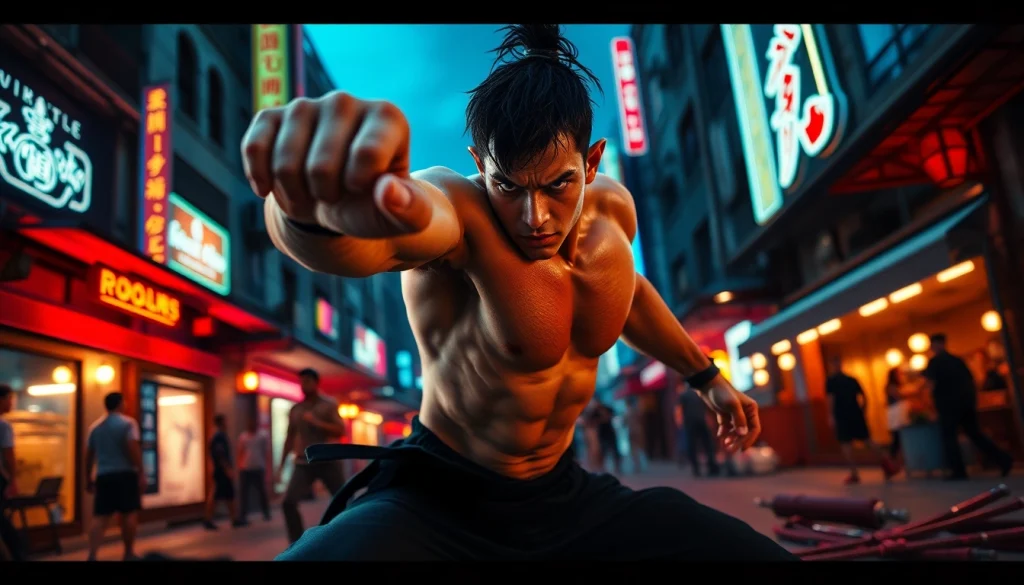
Understanding the Elements of a Martial Arts Thriller
The martial arts thriller genre uniquely combines elements of suspense, action, and martial arts choreography, captivating audiences around the world. These films typically feature intricate fight sequences, driven plots, and deeply developed characters who often possess extraordinary skills. When exploring the nuances of the Martial Arts Thriller genre, it’s essential to examine its key elements, including plot devices, character archetypes, and the settings that enhance the narrative experience.
Key Plot Devices in Martial Arts Thrillers
A successful martial arts thriller often employs several key plot devices that create suspense and drive the narrative forward. These include:
- The Quest for Revenge: Central to many martial arts thrillers, the protagonist’s pursuit of vengeance against a powerful antagonist provides a compelling emotional anchor.
- The Underdog Story: The genre often features an underdog—someone underestimated by foes—who must prove their worth through sheer skill and determination.
- Moral Ambiguity: The heroes in martial arts thrillers may not be entirely honorable, often grappling with their violent pasts while seeking redemption or justice.
- Family and Loyalty: Many stories center around family ties and the lengths one will go to protect loved ones, often introducing further conflict and motivation.
Character Archetypes in Martial Arts Thriller Storytelling
Characterization is vital in martial arts thrillers, with several archetypes frequently appearing:
- The Master: Usually a wise mentor who guides and teaches the hero, imparting crucial knowledge and skills.
- The Hero: The protagonist, often with a tragic background, who battles against the odds and learns to harness their martial arts abilities.
- The Antagonist: A formidable opponent often linked directly to the hero’s past, providing the primary conflict in the narrative.
- The Sidekick: A loyal friend or ally who assists the hero, often bringing humor or a contrasting dynamic to the story.
Setting and Atmosphere in Martial Arts Thriller Films
Setting plays a crucial role in building the atmosphere of a martial arts thriller. Locations can range from urban environments with gritty streets to serene landscapes that contrast the violence. Additionally, cultural elements such as traditional martial arts schools or ancient temples can add depth and authenticity to the story. The atmosphere is often achieved through cinematography, music, and sound design, creating a visceral experience that keeps audiences engaged.
Top 10 Iconic Martial Arts Thriller Films
The martial arts thriller genre has seen numerous iconic films that have left a lasting impact on cinema. Here are ten must-watch entries that embody the spirit of the genre:
- Enter the Dragon: Bruce Lee’s masterpiece that combines martial arts with a gripping plot about an undercover mission.
- The Raid: Redemption: A high-octane film featuring an elite police unit battling criminal forces within a high-rise building.
- Ong-Bak: This Thai film showcases Muay Thai and follows a heroic journey revolving around a stolen artifact.
- Kill Bill: Quentin Tarantino’s homage to martial arts cinema, following a woman on a quest for vengeance after a betrayal.
- Oldboy: A South Korean neo-noir action thriller that combines intense martial arts with a deeply layered revenge story.
- Crouching Tiger, Hidden Dragon: A visually stunning film that elevates martial arts through romance and fantastical elements.
- Ip Man: The biographical tale of legendary Wing Chun master Ip Man, showcasing not only stunning fight choreography but the moral complexities of martial arts.
- Fist of Legend: A modern retelling of the classic tale of the legendary martial artist Huo Yuanjia, blending historical aspects with phenomenal combat scenes.
- John Wick: Though primarily an action film, the intricate choreography and worldview closely align with martial arts thriller narratives.
- Police Story: Starring Jackie Chan, this film mixes slapstick humor and high-stakes thrills with remarkable martial arts sequences.
Analyzing the Best Action Scenes in Martial Arts Thrillers
The most memorable martial arts thrillers are often defined by their action sequences. Effective choreography, pacing, and the use of props and environment play significant roles in elevating these scenes. In films such as The Raid: Redemption, the spatial awareness and fluid choreography create incredibly tense fight sequences. Similarly, Jackie Chan’s use of everyday objects in Police Story showcases creativity and analytical storytelling in-action scenes that go beyond mere physical confrontation.
Cinematic Techniques Used in Martial Arts Thrillers
Filmmakers employ various cinematic techniques to enhance the storytelling of martial arts thrillers:
- Slow Motion: Often used to emphasize dramatic moments during fight sequences, allowing the viewer to appreciate the skill of the martial artists.
- Close-ups and Wide Shots: Close-ups can capture the emotion in combat, while wide shots show the scale of the action and spatial dynamics.
- Dynamic Editing: Quick cuts and rhythmic editing dovetails with musical scores to heighten the tension during fight scenes.
- Color Grading: Specific color palettes can create distinct moods, enhancing the narrative’s emotional weight and connecting viewers to the characters.
Current Trends in Martial Arts Thriller Cinema
The landscape of martial arts thrillers is evolving, with an increasing focus on diverse storytelling and representation. Films from various cultures are gaining international appeal and contributing to the genre’s richness. The rise of streaming platforms has made it easier for international filmmakers to share their unique narratives, leading to innovative fusions of genres, such as horror and martial arts thrillers. This merging of styles allows for fresh perspectives and engages wider audiences.
The Evolution of Martial Arts Thrillers: A Historical Perspective
Understanding the evolution of martial arts thrillers provides insights into how the genre has evolved over decades. It reflects broader cultural shifts and the changing nature of cinema itself. From the early days of kung fu cinema in the 1970s to the modern age of global collaborations, the genre continues to capture and amaze audiences.
Influential Directors in Martial Arts Thriller History
Several directors have significantly impacted the martial arts thriller genre, shaping its trajectory and defining its stylistic elements:
- Bruce Lee: Considered the face of martial arts in cinema, Lee’s philosophy and fight choreography set a precedent for future films.
- Tsui Hark: Hark’s work known for blending action with humor and strong storytelling changed the landscape of Hong Kong cinema.
- Ang Lee: With films like Crouching Tiger, Hidden Dragon, he introduced a wider audience to the elegance of martial arts through a cinematic lens.
- Chad Stahelski: As a former stuntman, his direction of the John Wick series has reinvigorated the action genre, emphasizing martial arts within a broader context of action films.
Impact of Asian Cinema on Global Martial Arts Thrillers
Asian cinema has profoundly influenced global martial arts thrillers, creating a cultural exchange that saw Western filmmakers adopting and integrating martial arts into their narratives. Films like Kill Bill pay homage to the stylistic elements of Asian cinema while weaving complex narratives filled with action and depth. This trend continues to blend distinct cultural identities, leading to a more global appreciation of martial arts film principles.
Comparing Traditional vs. Modern Martial Arts Thrillers
Traditional martial arts thrillers often focus heavily on the martial artistry and the philosophical teachings inherent in various martial arts forms. They tend to be more character-driven, tracing the protagonist’s internal journey as much as their physical one. Modern martial arts thrillers, however, may incorporate high-octane action, elaborate stunts, and mainstream cinematic elements that appeal to contemporary audiences. This fusion offers a new appreciation for the genre while maintaining the core elements that define martial arts narratives.
Creating Your Own Martial Arts Thriller Narrative
If you’re inspired to create a martial arts thriller, understanding the fundamental building blocks of compelling storytelling is crucial. A successful narrative requires not just action but also emotional resonance and character development.
Building Compelling Characters for Martial Arts Thrillers
Creating memorable characters in a martial arts thriller begins with developing nuanced backstories that inform their motivations. Your protagonist should have a clear goal, whether it’s revenge, seeking redemption, or saving loved ones, and their flaws should be visible and relatable. Additionally, consider crafting a compelling antagonist whose actions drive the protagonist’s journey, challenging their values and beliefs.
Writing Engaging Action Sequences in Martial Arts Thrillers
Action sequences are the lifeblood of martial arts thrillers. They should be well-planned and choreographed, emphasizing a character’s unique skills and the stakes of the situation. To create engaging fight scenes, consider the following:
- Use the environment creatively (e.g., walls, floors, furniture) to add depth and complexity to the choreography.
- Vary your pacing to include moments of intensity followed by brief pauses that allow the audience to breathe and feel the weight of the conflict.
- Incorporate the characters’ emotions and arcs into the fight—show how their journey informs their combat style and choices.
Utilizing Themes and Motifs in Your Martial Arts Thriller
Common themes in martial arts thrillers often include justice vs. revenge, personal growth through struggle, and the exploration of moral ambiguity. Integrate these themes into your narrative to provide a richer and more meaningful experience for your audience. Motifs such as iconic fighting styles or philosophical teachings from martial arts can also elevate the story, offering depth and resonance.
The Future of the Martial Arts Thriller Genre
As the landscape of cinema continually evolves, the martial arts thriller genre is likely to adapt and innovate as well. From the influences of digital platforms to the rise of international cinematic collaborations, the genre stands at a precipice of exciting developments.
Blending Genres: Martial Arts Thriller and Beyond
There is growing interest in blending martial arts thrillers with other genres such as horror, drama, and even superhero narratives. This melding creates fresh storytelling possibilities and invites diverse audiences. Films that synthesize elements from various genres can provide multi-layered narratives that appeal to a broader scope of viewers, ensuring the continued relevance and evolution of martial arts thrillers.
Innovative Storytelling Approaches in Martial Arts Thrillers
The use of nonlinear storytelling, multiple perspectives, and immersive experiences (e.g., interactive films) can reshape how martial arts thrillers are told. Filmmakers are exploring new technologies and narrative formats to engage audiences uniquely, potentially redefining the genre’s future.
How Streaming Platforms Are Shaping the Martial Arts Thriller Landscape
Streaming services have revolutionized how films reach their audiences. Increased accessibility allows for a more diverse range of titles and voices within the martial arts thriller genre. This exposure encourages filmmakers to take creative risks, exploring deeper narratives and unconventional styles, thus propelling the genre in exciting new directions.