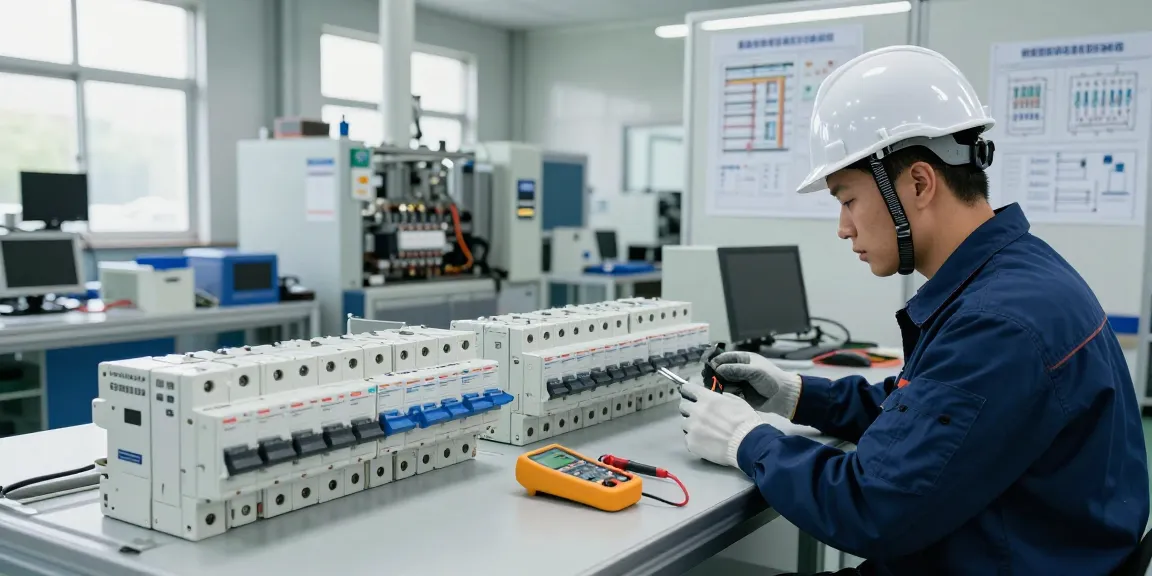
Understanding Precision Plate Cutting
What is Precision Plate Cutting?
Precision plate cutting is the process of cutting metal plates to exact specifications using advanced techniques and machinery. This method ensures that dimensional tolerances are tightly controlled, which is crucial voor industries requiring high levels of accuracy, such as aerospace, automotive, and manufacturing. Utilizing tools like laser cutters, water jet cutters, and plasma cutting machines, professionals achieve clean and precise finishes on various materials, including steel, aluminum, and composite materials. The precision plate cutting not only enhances production efficiency but also minimizes waste and rework, leading to significant cost savings.
Key Benefits of Precision Plate Cutting
Precision plate cutting offers several advantages that make it the preferred choice for many industries:
- High Accuracy: With advanced technology, precision cutting machines can produce parts with tolerances as close as ±0.001 inches.
- Reduced Waste: The ability to cut precisely minimizes material waste, optimizing the use of expensive raw materials.
- Versatility: Different types of machines can cut through a range of materials and thicknesses effectively.
- Speed of Production: Automated cutting processes are often faster than traditional methods, enhancing production turnaround times.
- Consistency: Automated systems provide repeatability, ensuring each part meets the same specifications without variations.
Common Applications in Industry
Precision plate cutting is widely used across various sectors:
- Aerospace Industry: Critical components such as fuselage parts and brackets require exact specifications for safety and performance.
- Automotive Manufacturing: Precision-cut sheets are used in engine components and structural parts.
- Construction Industry: Steel plates cut with precision support structural integrity in buildings and bridges.
- Consumer Electronics: Precision cutting aids in the production of parts for electronic devices, ensuring functionality and design integrity.
- Shipbuilding: Accurate cuts are essential for vessel integrity and performance, allowing for better design flexibility.
Choosing the Right Equipment for Precision Plate Cutting
Types of Plate Cutting Machines
When it comes to plate cutting, several types of machines are available, each suited to specific needs:
- Laser Cutting Machines: Uses focused laser beams to cut through materials with extreme precision. Ideal for intricate designs.
- Plasma Cutting Machines: Employs ionized gas to cut through conductive materials quickly, making it effective for thicker plates.
- Water Jet Cutting Machines: Utilizes high-pressure water jets mixed with abrasives for cutting without thermal distortion, suitable for various materials.
- Oxy-Fuel Cutting Machines: Uses combustion of gas and oxygen, effective for cutting thicker steel plates.
- Electrical Discharge Machines (EDM): Highly precise cutting technique ideal for hard materials, often used in tooling applications.
Essential Features to Look For
Choosing the right plate cutting machine requires careful consideration of several features:
- Accuracy and Tolerance: Look for machines that offer tight tolerance specifications that match your project requirements.
- Material Compatibility: Ensure the machine can handle the types and thicknesses of materials you plan to cut.
- Automation Capabilities: Automated options help reduce labor costs and human error, improving consistency.
- Maintenance and Support: Choose equipment backed by reliable service and support for efficiency in operations.
- Software Integration: Modern machines should seamlessly integrate with design software for streamlined workflows.
Budgeting for Equipment
Budgeting for plate cutting equipment involves evaluating both initial costs and long-term expenses:
- Initial Purchase Cost: Prices can vary significantly based on the type of machine and its capabilities. Conduct market research to find the best fit for your needs.
- Operating Costs: Factor in the cost of consumables like laser nozzles or water jet abrasives, as well as energy consumption.
- Maintenance Costs: Regular maintenance will ensure longevity, so allocate funds for routine service and potential repairs.
- Training Costs: Invest in training for staff to ensure efficient and safe operation of the equipment.
- Financing Options: Explore lease or financing options that can provide capital flexibility, especially for high-cost machines.
Techniques and Best Practices for Precision Plate Cutting
Pre-Cutting Preparation Steps
Preparing adequately before cutting can lead to better outcomes:
- Material Inspection: Always inspect the material for imperfections that may affect cutting quality.
- Cleanliness: Ensure the material surface is clean and free from contaminants that can interfere with cutting accuracy.
- Measurement Verification: Double-check all measurements and designs with calibrated tools to avoid errors during cutting.
- Machine Setup: Ensure that the cutting machine is calibrated and set up according to the specific requirements of the job.
- Safety Checks: Conduct safety checks to ensure all protective measures are in place for operators and equipment.
Operating the Cutting Machine Safely
Safety is paramount when operating cutting machinery:
- Personal Protective Equipment (PPE): Always wear appropriate PPE such as goggles, gloves, and hearing protection.
- Machine Familiarization: Operators should be fully trained and familiar with the specific machinery and its safety features.
- Emergency Protocols: Ensure all operators are aware of emergency shut-off procedures and protocols in case of malfunction.
- Regular Breaks: Encourage operators to take breaks to maintain focus and avoid fatigue during long cutting sessions.
- Fire Prevention: Ensure that precautions are taken, especially when working with plasma and laser systems, to minimize fire hazards.
Post-Cutting Process and Quality Control
The post-cutting phase is essential to ensure the quality of the parts produced:
- Inspection: Conduct a thorough inspection of the finished cuts for accuracy, edge quality, and overall integrity.
- Deburring: Remove sharp edges or burrs from the cuts using suitable methods to ensure safety and usability.
- Dimensional Measurement: Use calipers and gauges to check that the dimensions meet specified tolerances.
- Record Keeping: Maintain records of cutting performance and quality metrics for continuous improvement.
- Feedback Mechanisms: Implement feedback loops to address any inconsistencies in future cutting performances.
Common Challenges in Precision Plate Cutting
Dealing with Material Variability
Variability in material can lead to challenges in the cutting process:
- Thickness Inconsistencies: Variation in thickness can affect cutting speed and quality; ensure a consistent material supply.
- Material Composition: Different alloy compositions may require adjustments in cutting techniques and settings.
- Surface Conditions: Be aware of how surface conditions like rust or mill scale can impact cutting performance and finish.
Avoiding Common Cutting Errors
Certain mistakes commonly occur in precision plate cutting:
- Misalignment: Ensure that plates are correctly positioned before cutting; misalignment can lead to wasted material.
- Incorrect Speed Settings: Adjust cutting speeds appropriate for material type and thickness to avoid defects.
- Tool Wear: Regularly check and replace worn cutting components to maintain cutting quality.
Maintaining Consistency and Quality
Consistency in production is critical to meeting quality standards:
- Routine Maintenance: Implement a maintenance schedule to prevent machine failures that can disrupt production.
- Standard Operating Procedures (SOPs): Develop and adhere to SOPs for all cutting operations to ensure uniformity.
- Quality Assurance Programs: Establish regular quality control checks to monitor and promote consistent output.
Future Trends in Precision Plate Cutting Technology
Innovations in Cutting Technology
The field of precision plate cutting continues to evolve, integrating new technologies:
- Advanced Laser Systems: Innovations in laser technology will enhance cutting speeds and precision even further.
- Hybrid Systems: Machines that combine multiple cutting technologies may offer versatility and efficiency.
- Artificial Intelligence (AI): AI-driven systems can optimize cutting parameters in real-time, enhancing accuracy and efficiency.
Integration of Automation and Robotics
Automation and robotics are becoming integral to precision plate cutting:
- Automated Loading and Unloading: Robotic systems streamline material handling, reducing labor costs and increasing throughput.
- Smart Factories: Integration of IoT technology allows for predictive maintenance and data analytics to improve overall production efficiency.
- Collaborative Robots (Cobots): Cobots work alongside human operators to enhance productivity and performance in cutting operations.
Environmentally Friendly Practices
Sustainability in operations is increasingly important in precision plate cutting:
- Waste Reduction: Utilizing software to optimize cutting paths can significantly reduce material waste.
- Recycling Programs: Implementing recycling systems for scrap materials aids in resource conservation and cost-saving.
- Energy-Efficient Machines: Investing in energy-efficient cutting systems contributes to reduced operational costs and environmental impact.
Frequently Asked Questions
What is the main advantage of precision plate cutting?
The primary advantage of precision plate cutting is its ability to achieve high accuracy and tight tolerances, essential for demanding industrial applications.
What types of materials can be cut using precision techniques?
Precision plate cutting can efficiently handle materials like metals (steel, aluminum), composites, and specialty alloys, depending on the cutting technology used.
How do I maintain my cutting machines for best performance?
Regular maintenance involves scheduled checks, cleaning, timely replacements of worn parts, and ensuring that machines are correctly calibrated to maintain performance.
Is precision plate cutting cost-effective?
Yes, precision plate cutting can be cost-effective by minimizing material waste, reducing rework, and improving production efficiency in the long run.
What are the safety measures for operating cutting machines?
Safety measures include wearing PPE, conducting safety checks before operation, ensuring proper training of personnel, and adhering to emergency protocols for machine operation.