Understanding the Importance of Fly Fishing Waders
For any angler who loves venturing into streams, lakes, or rivers, fly fishing waders are an indispensable piece of equipment. They not only keep you dry but also enhance your overall fishing experience. This article will explore the significance of fly fishing waders, covering their features, types, benefits, and maintenance—ensuring that you stay comfortable and safe while pursuing your passion.
What Are Fly Fishing Waders?
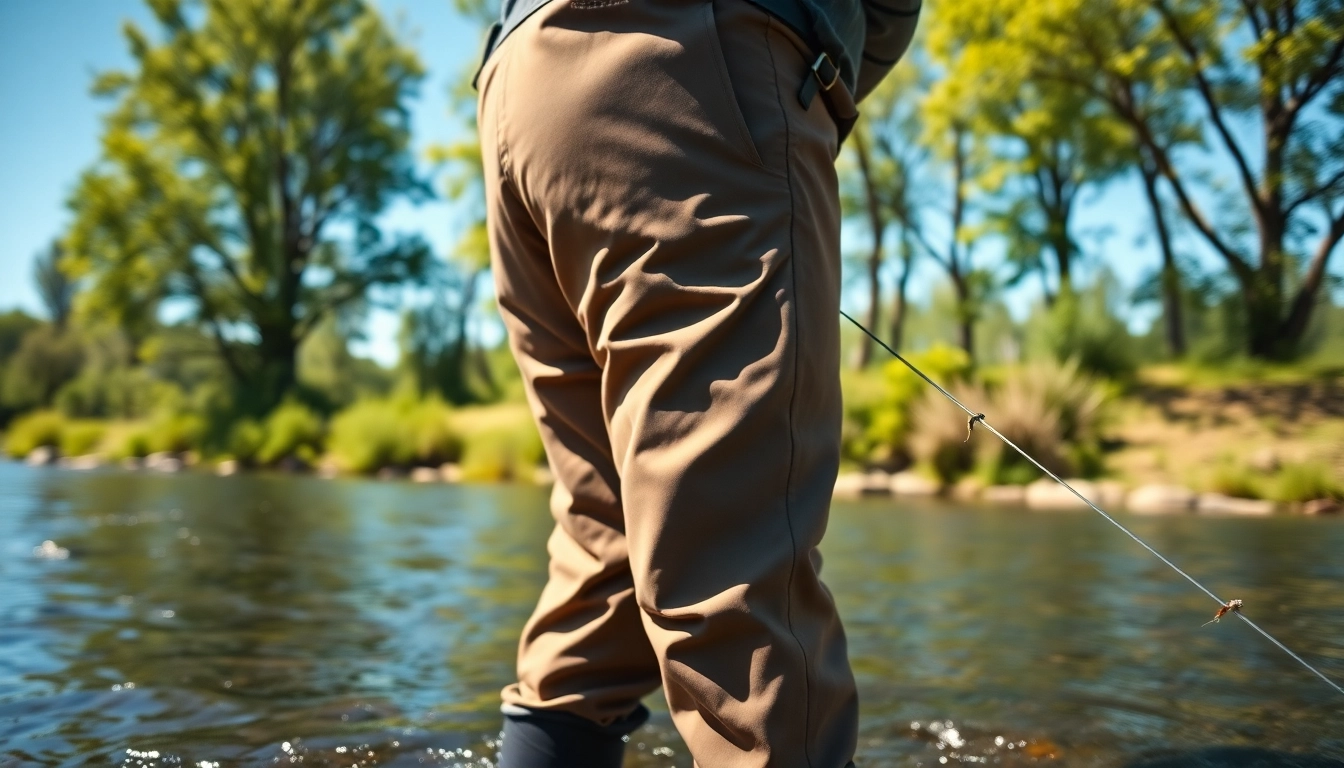
Fly fishing waders are waterproof garments that cover the legs and sometimes the torso, allowing anglers to remain dry while wading through water. They come in various styles and materials, designed to withstand challenging outdoor conditions. While some anglers might opt for fishing without waders, their advantages are substantial, especially when it comes to maximizing comfort and ensuring mobility in colder waters.
Key Features to Consider
- Material: Waders can be made from neoprene, breathable fabrics, or a combination of both. Your choice will affect weight, insulation, and overall durability.
- Fit: A good fit is vital. Be sure that they allow for easy movement, enough legroom, and do not constrict your upper body.
- Seams: Sealed seams are critical as they prevent water from seeping through. High-quality stitching can make a significant difference in longevity.
- Boot Options: Some waders come with integrated boots, while others require separate footwear. Select an option that suits your fishing style.
Benefits of Using Fly Fishing Waders
Utilizing fly fishing waders offers numerous advantages:
- Temperature Regulation: Waders help maintain body warmth, allowing you to fish comfortably in colder conditions.
- Enhanced Mobility: Wading deeper into the water can improve your casting range and access to different fish species.
- Protective Gear: Waders provide a barrier against sharp rocks, thorny vegetation, and cold water temperatures, significantly enhancing safety.
- Convenience: With pockets and attachments, many waders allow you to carry essential gear with ease.
Types of Fly Fishing Waders Explained
The variety of fly fishing waders can suit different fishing environments and personal comfort preferences. Here we discuss the main types:
Chest Waders vs. Hip Waders
Chest waders are designed to extend from the feet to the chest, providing the maximum waterproof coverage. They are ideal for fishing in deep waters but can be bulkier. In contrast, hip waders are shorter and extend to the hips, making them suitable for shallower waters. Both styles have their use cases, and the choice largely depends on the angler’s predominant fishing environment.
Stockingfoot Waders vs. Bootfoot Waders
Stockingfoot waders come with socks that require separate boots, offering flexibility in footwear styles. This combination can improve fit and comfort. Bootfoot waders, however, come with integrated boots for convenience but may limit options for foot comfort and temperature regulation. The choice ultimately hinges on personal preference and the types of waters you navigate.
Material Options: Neoprene vs. Breathable
Neoprene waders are typically warmer and suited for colder environments. They retain heat well but can cause overheating in warmer conditions. Breathable waders, made from lighter materials, allow air circulation, letting anglers stay comfortable even in warm weather. Each material serves specific conditions, so understanding your climate is crucial when making a choice.
How to Choose the Right Fly Fishing Waders
Selecting the ideal fly fishing waders requires careful consideration. Here are factors to keep in mind:
Assessing Fit and Comfort
Finding the right fit is the first step in your purchase. Waders should fit snugly without pinching. Try them on with the layering you will typically wear under them. Movement should be unhindered, so consider bending and squatting while trying them out. The right comfort will enhance both your fishing experience and the time spent in the water.
Evaluating Functionality and Features
When shopping for fly fishing waders, consider a few essential features. Look for adjustable straps, pockets for tools and essentials, and reinforced knees or seams. These features increase functionality and ensure that you have everything you need at your disposal while fishing.
Top Brands and Models Recommendations
Selecting a reputable brand can also assist in ensuring quality. While brands vary, focus on those that emphasize durability and performance. Reading user reviews can provide insights into models that excel in specific conditions and help refine your choice further.
Caring for Your Fly Fishing Waders
Proper care extends the life of your fly fishing waders. Here are some practical tips:
Cleaning and Maintenance Tips
After each fishing trip, rinse your waders in fresh water to remove dirt, algae, and debris. Allow them to air dry away from direct sunlight to prevent material degradation. For deep cleaning, follow your manufacturer’s instructions, as specific materials require different care approaches.
Storage Best Practices
Store your waders in a cool, dry place. Avoid folding them tightly to prevent creasing, which may lead to leaks over time. Hanging them or storing them flat can significantly extend their lifespan.
Common Issues and Troubleshooting
Leaks are a common issue. If you spot a damp area, inspect the seams and material thoroughly. Use patch kits designed for waders to temporarily repair minor leaks. If the issue persists, consider professional repair services to ensure comprehensive fixes.
Frequently Asked Questions about Fly Fishing Waders
What size fly fishing waders should I choose?
Choose waders based on your measurements. Refer to size charts provided by manufacturers to ensure the right fit, considering both height and weight for maximum comfort.
How do I repair small leaks in my fly fishing waders?
Use a waterproof patch kit specifically designed for waders. Clean the area around the leak, apply the patch according to package instructions, and allow it adequate time to set before using the waders again.
Are breathable waders warmer than neoprene?
Breathable waders are lighter and more suited for warmer conditions but are generally less insulating than neoprene. Choose based on your fishing environment and temperature needs.
Can I wear regular shoes with my fly fishing waders?
It is advisable to wear compatible footwear, especially with stockingfoot waders. Regular shoes may not provide the necessary support or waterproofing needed when wading.
What season are fly fishing waders best suited for?
Fly fishing waders can be used in all seasons, with cold-weather options for winter and breathable options ideal for summer. Choose according to environmental conditions and personal comfort needs.