Understanding the Role of a New York General Contractor
What Does a General Contractor Do?
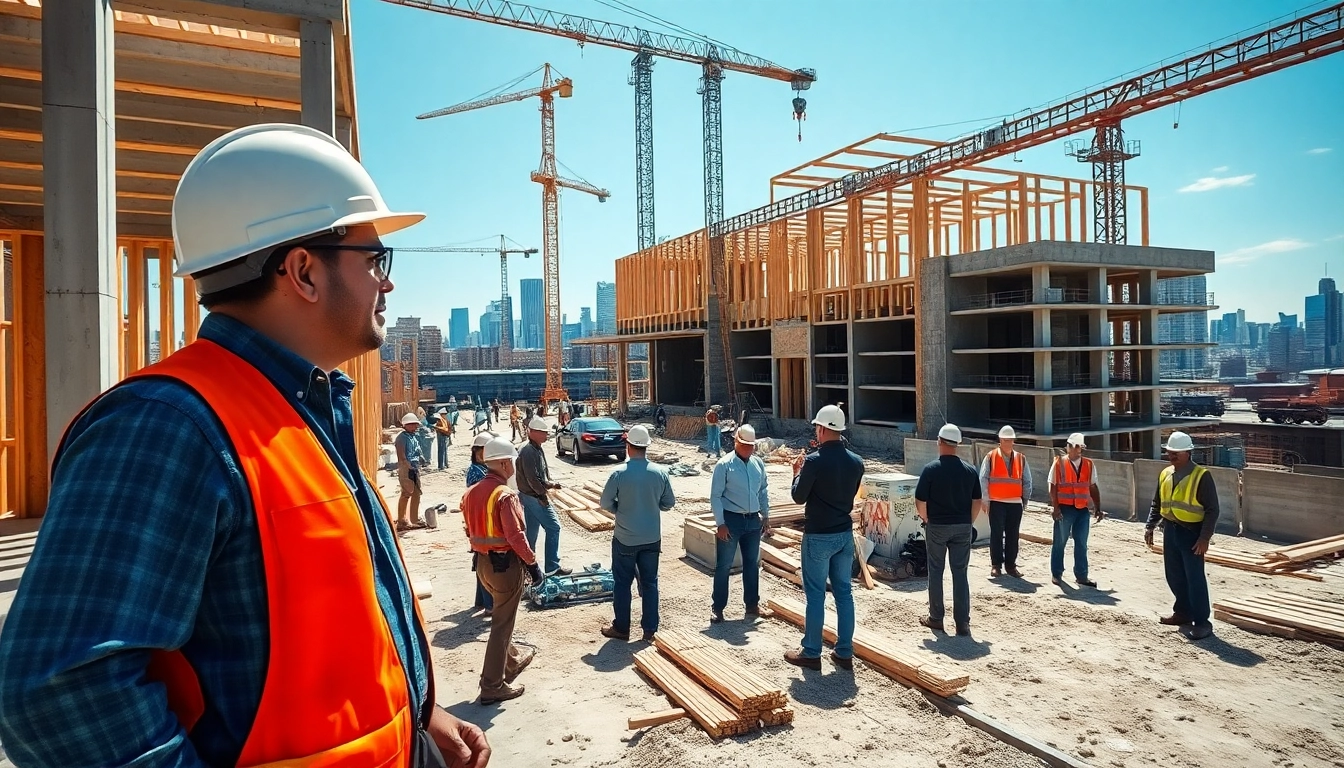
The role of a general contractor (GC) is pivotal in the construction industry. They act as the central point of contact for all project stakeholders, including the client, subcontractors, suppliers, and regulatory authorities. A general contractor oversees the construction process from conception to completion, ensuring that the project adheres to time frames, budgets, and safety standards.
In New York, a general contractor not only facilitates the construction but also coordinates various trades involved in the project—this could include electrical, plumbing, and carpentry work. Furthermore, they often manage project schedules, procure materials, and hire specialized subcontractors, which makes their role multifaceted and integral to the successful execution of construction projects.
Key Responsibilities of New York General Contractors
The key responsibilities of New York general contractors can be broken down into several essential tasks:
- Project Planning: GCs develop a comprehensive project plan that outlines scope, timelines, and resources.
- Budget Management: Building and managing the budget to ensure the project stays within financial limits.
- Compliance: Ensuring that all work complies with local building codes, zoning laws, and any specific client requirements.
- Safety Management: Implementing safety protocols to protect workers on-site and reduce the risk of accidents.
- Communication: Serving as the main point of communication between the client and all parties involved, ensuring everyone is aligned throughout the project.
The Importance of Project Management in Contracting
Effective project management is vital for the success of construction projects. A proficient general contractor uses project management tools and methodologies to ensure that milestones are met and the work progresses smoothly.
In New York, where construction projects can be particularly complex due to regulatory challenges and urban logistics, robust project management can make a substantial difference. It allows the general contractor to anticipate potential delays and implement strategies to mitigate risks, thereby ensuring timely project completion.
How to Identify the Best New York General Contractor
Researching and Vetting Potential Contractors
Finding the right general contractor is a critical step in any construction project. Begin your search by gathering a list of potential contractors. Use online platforms, such as construction forums, reviews on industry-specific sites, and referrals from friends or family.
Once you have several candidates, it’s essential to vet them thoroughly. Look for contractors with solid reputations, verified licenses, and insurance coverage. A contractor's online presence, including testimonials and project portfolios, will give you insight into their capabilities and construction style.
Evaluating Experience and Client Feedback
When assessing potential contractors, consider their experience and previous work history. A contractor specializing in projects similar to yours can save you a significant amount of time and trouble due to their familiarity with unique challenges in that domain.
Client feedback is an invaluable resource. Look for reviews and ratings online, but also ask for references directly from the contractor. Speaking to past clients can provide insights into their communication style, quality of work, and ability to meet deadlines.
Understanding Licensing and Insurance Requirements
New York has stringent licensing requirements for general contractors. Ensure that your potential contractor holds the necessary licenses to operate in the state and any relevant local municipalities.
Additionally, a reputable contractor should have insurance that covers liability and worker's compensation. This insurance protects you from financial burdens in case of accidents or damage occurring during the project.
Common Challenges Faced by New York General Contractors
Dealing with Regulatory Compliance
One of the most significant challenges for general contractors in New York is navigating the myriad of regulatory compliance issues. From building codes to environmental regulations, GCs must stay informed about laws relevant to construction projects.
Failure to adhere to these regulations can lead to costly delays, fines, and even project shutdowns. Thus, an experienced general contractor will have a deep understanding of compliance matters and advocate for best practices throughout the project lifecycle.
Managing Client Expectations
Clients often have very high expectations, and managing these from the outset is crucial to project success. Clear communication and regular updates about project progress are necessary to keep expectations in check.
Setting realistic timelines and budgets upfront and ensuring the client understands potential challenges can prevent misunderstandings and dissatisfaction down the line. Furthermore, addressing client feedback promptly contributes to a smoother working relationship.
Navigating Supply Chain Issues
Supply chain disruptions can have significant impacts on construction timelines and costs. General contractors need to develop strategies to mitigate these risks, such as sourcing materials early or sourcing from multiple suppliers.
Additionally, maintaining flexibility in planning and adapting quickly to changes in material availability can help in keeping the construction project on track and within budget.
Best Practices for Working with Your New York General Contractor
Setting Clear Expectations from the Start
Defining clear, tangible expectations from the beginning is the foundation of a successful project. Discuss your vision in detail, covering aspects such as style, materials, timelines, and budget. This clarity provides a common understanding between you and your general contractor.
It can also be helpful to document these expectations formally in a contract, ensuring that both parties are on the same page regarding the project's scope and objectives.
Maintaining Open Communication
Open lines of communication are essential throughout the duration of a project. Regular meetings, progress reports, and the use of project management software can facilitate information sharing between you and the contractor.
Encouraging a culture of transparency promotes trust and encourages prompt resolution of any concerns that may arise, preventing small issues from becoming significant problems.
Monitoring Progress and Quality Control
Regularly monitoring project progress allows you to assess the quality of the work being done and ensure that the project adheres to agreed-upon timelines. Schedule frequent site visits, and ask for progress reports.
Quality control checklists can help in evaluating various aspects of work completed. These checklists can include safety measures, workmanship, and material quality, ensuring that every detail meets your standards.
Evaluating the Success of Your Contractor's Work
Assessing Completed Projects
Once a project is completed, it’s crucial to conduct a thorough assessment. This includes not only reviewing the physical aspects of the construction but also evaluating overall satisfaction levels. Consider using a checklist that encompasses planning effort, execution, quality, and compliance.
Client Satisfaction Metrics
Collecting metrics directly from clients post-project can help gauge satisfaction levels. Surveys can be drafted to ask clients about their experiences with the contractor concerning communication, quality, timeliness, and overall satisfaction.
This feedback is invaluable for understanding the strengths and weaknesses of your general contractor's approach and can help inform decisions in future projects.
Planning for Future Projects
Evaluating the project's success also involves looking forward. Use what you've learned from the current project to inform future projects. Identifying successful strategies and recognizing areas for improvement can enhance the efficiency and satisfaction of subsequent endeavors.
Developing a long-term partnership with a general contractor who meets or exceeds expectations can provide consistency and reliability for future constructions, potentially saving time and resources in the long run.
Finding the right New York General Contractor is a process that involves careful consideration, research, and open communication. Understanding the roles and responsibilities of general contractors helps project owners foster effective working relationships and achieve successful outcomes.