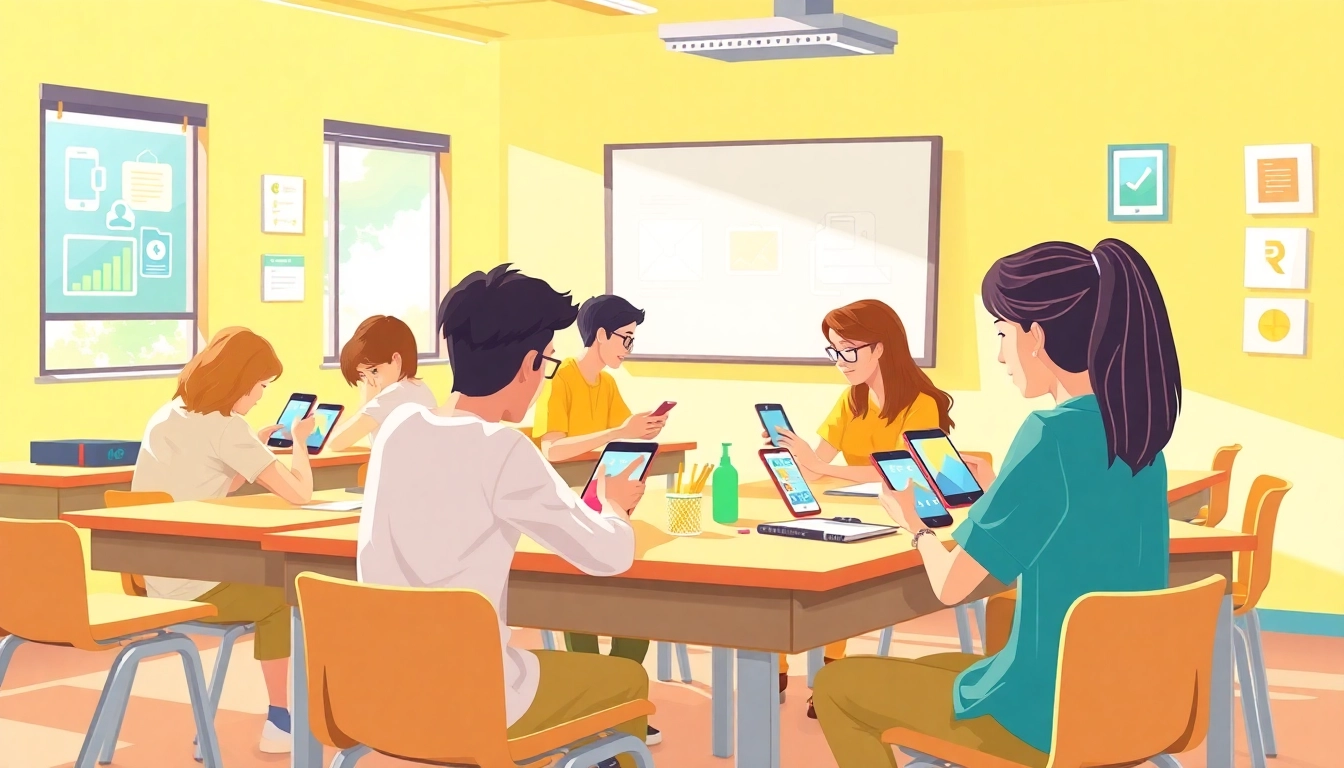
The Role of Smartphones in Modern Education
In today's fast-paced world, technology has entwined itself with nearly every facet of our lives, most notably within the realm of education. Smartphones, a ubiquitous presence among students, have emerged as pivotal tools in the learning process. Their ability to provide instant access to information, facilitate communication, and foster innovative learning experiences makes them essential companions in school environments. Understanding the smartphone solution in school life begins with recognizing their multifaceted roles in modern education.
1.1 Understanding the Smartphone Solution in School Life
Smartphones have evolved from mere communication devices to multifunctional gadgets that can support educational activities. They encompass a variety of applications that enhance learning by making access to resources seamless. For example, students can participate in interactive quizzes, collaborate on group projects through cloud-based platforms, and access educational materials—everything from textbooks to video lectures—right from their pockets. Understanding how to utilize this technology effectively can transform the traditional educational landscape.
1.2 Benefits of Using Smartphones in Classrooms
The integration of smartphones into classrooms offers a range of benefits that can significantly enhance the educational experience. Firstly, they provide personalized learning opportunities, allowing students to learn at their own pace through apps tailored to their individual needs. Furthermore, smartphones can foster student engagement; studies show that when technology is incorporated into lessons, students are more active participants in their learning journey. Lastly, they equip students with essential 21st-century skills, including digital literacy, critical thinking, and problem-solving.
1.3 Addressing Common Educational Challenges with Smartphones
Many educators face challenges such as student disengagement, diverse learning paces, and the need for updated teaching strategies. Smartphones serve as a solution by offering interactive features that can increase engagement, catering to various learning styles through visual, auditory, and kinesthetic content. Additionally, they facilitate instant feedback through quizzes and polls, allowing teachers to adjust their strategies accordingly and provide immediate support to students who may be struggling.
Implementing Smartphone Solutions
2.1 Key Strategies for Effective Smartphone Use
Implementing smartphones in schools requires strategic planning to ensure their effective utilization. Establishing clear policies regarding smartphone use can help maximize their benefits while minimizing distractions. Schools should encourage the development of a curriculum that incorporates app-based learning and collaborative projects, enabling students to leverage their devices as learning tools rather than distractions. Furthermore, it's crucial to integrate digital citizenship education to instill responsible smartphone use among students.
2.2 Training Teachers to Leverage Technology
For schools to successfully implement smartphone solutions, teachers must be adequately trained in using technology within their instructional methods. Professional development programs should focus on equipping educators with the knowledge of various educational apps and platforms, as well as strategies to integrate these technologies seamlessly into their lessons. Support from tech-savvy staff or external experts can also make a difference, fostering an environment of continuous learning and adaptation.
2.3 Encouraging Student Participation with Smartphones
Encouraging active participation among students is essential for effective learning. Teachers can use smartphones to create engaging activities, such as gamified learning experiences, or tools that promote peer collaboration. By integrating platforms that enable students to share their thoughts and ideas, teachers can cultivate a sense of community that extends beyond the classroom walls, enhancing both engagement and accountability.
Best Practices for Smartphone Integration
3.1 Creating an Optimal Learning Environment
Creating an optimal learning environment that accommodates smartphone usage begins with thoughtful classroom design and management. Schools should consider establishing designated tech zones where students can use their devices without distraction. Additionally, teachers should set clear guidelines for smartphone use during class to maintain focus and productivity. Incorporating a blend of traditional teaching methods alongside technology can also lead to a more holistic educational experience.
3.2 Safety and Ethical Considerations for Smartphone Use
With the benefits of smartphone integration come responsibilities. Schools must address safety and ethical considerations, ensuring that students understand the importance of cybersecurity and responsible digital citizenship. Implementing digital safety protocols and educating students on potential online risks, such as cyberbullying, privacy violations, and misinformation, is essential. Creating an awareness of these issues empowers students to navigate the digital landscape safely.
3.3 Balancing Screen Time and Traditional Learning Methods
While smartphones offer numerous educational advantages, maintaining a balance between screen time and traditional learning methods is critical. Educators should strive for a blended approach that incorporates both technology and hands-on activities, fostering a diverse learning environment. Setting specific limits on screen usage during certain times of the day can also help minimize distractions and reinforce essential interpersonal skills among students.
Measuring Success: Metrics for Smartphone Solutions
4.1 Establishing Key Performance Indicators
To gauge the effectiveness of smartphone solutions in education, it's essential to establish key performance indicators (KPIs). These can include metrics such as student engagement levels, academic performance, and participation rates in technology-based activities. Regularly assessing these indicators enables schools to identify areas of success and opportunities for improvement, thereby refining their approach to smartphone integration.
4.2 Analyzing Student Engagement and Outcomes
Data collection plays a significant role in understanding the impact of smartphone solutions on student engagement and overall educational outcomes. Schools can utilize surveys, focus groups, and performance assessments to glean insights into how smartphones are influencing student attitudes and behaviors. By analyzing this data, educators can make informed decisions to adapt their teaching strategies to better meet the needs of their students.
4.3 Adapting Strategies Based on Performance Data
Data-driven decision-making is critical in maximizing the effectiveness of smartphone solutions. Schools should regularly review performance data to determine which methods yield the best results and adapt their strategies accordingly. This ongoing evaluation allows educators to tailor their approaches, ensuring that technology continues to enhance the learning experience rather than detract from it.
FAQs on Smartphone Solutions in School Life
5.1 What age group benefits most from smartphone use in schools?
Generally, middle and high school students benefit most, as they are typically more tech-savvy and ready to engage with interactive learning tools. However, younger students can also benefit when smartphones are used appropriately under guidance.
5.2 How can smartphones enhance classroom collaboration?
Smartphones enable real-time collaboration through shared apps, messaging platforms, and cloud services. Students can work together on projects, share resources, and provide instant feedback, fostering a cooperative learning environment.
5.3 What are the challenges of implementing smartphones in education?
Challenges include potential distractions, varied levels of tech proficiency among students, and ensuring appropriate use. Schools must implement policies to mitigate these issues and provide adequate training for both students and instructors.
5.4 Are there any specific apps recommended for educational purposes?
Yes, popular educational apps include Google Classroom for organization, Kahoot! for gamified quizzes, and Evernote for note-taking. Teachers should choose apps aligned with learning objectives and age-appropriateness in mind.
5.5 How can parents support smartphone integration in schools?
Parents can support integration by encouraging responsible smartphone use, discussing digital safety, and participating in school programs that promote technology in education. Open communication with teachers can also reinforce learning at home.