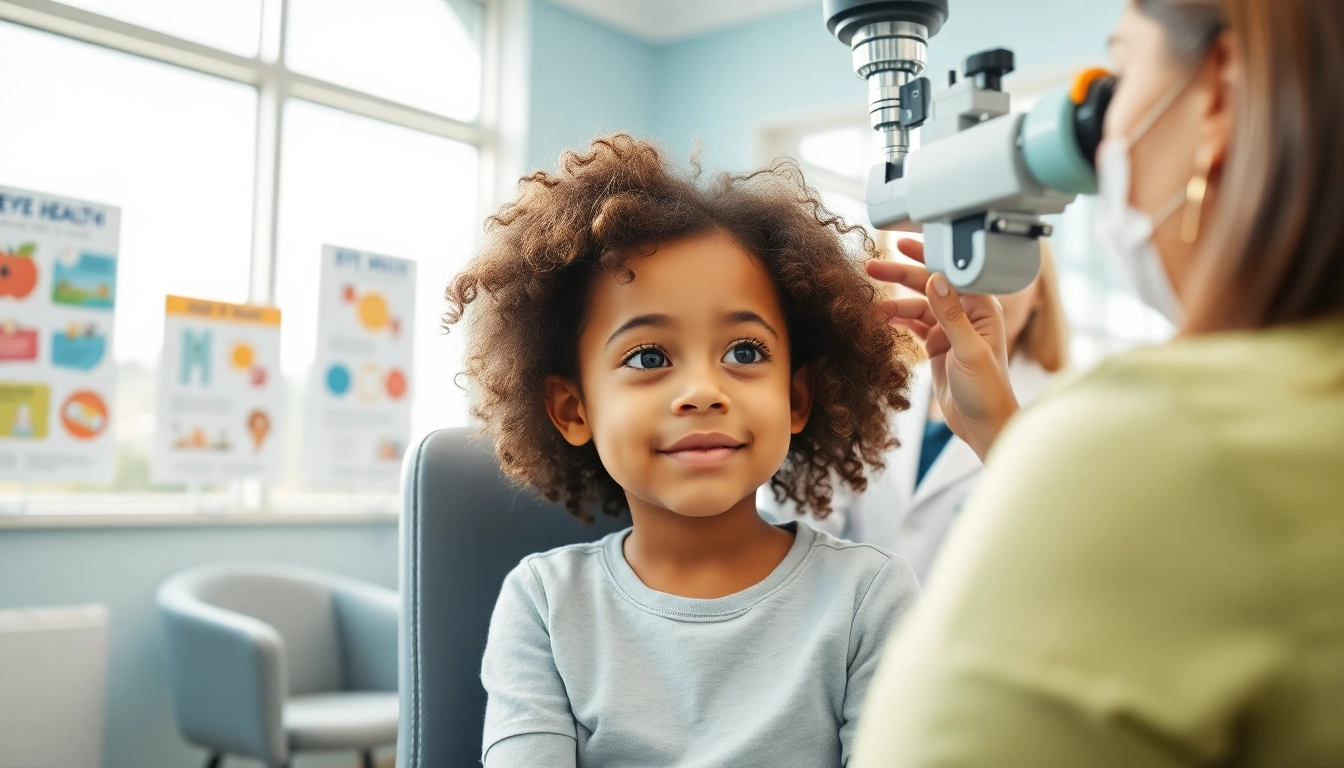
The Importance of Eye Care in Childhood
Vision is an essential aspect of childhood development, influencing a child's ability to learn, engage socially, and participate in daily activities. Unfortunately, millions of children worldwide suffer from vision impairment due to a lack of access to proper eye care. This is where Our Children's Vision plays a crucial role, aiming to provide essential eye health services and raise awareness about the importance of vision care in childhood.
Understanding Vision Impairment in Children
Vision impairment in children can stem from various factors, including genetics, environmental conditions, and inadequate access to healthcare. Common conditions affecting children's vision include myopia (nearsightedness), hyperopia (farsightedness), and astigmatism, as well as more severe issues such as cataracts and retinopathy of prematurity. Early detection and intervention are critical, as untreated vision problems can lead to long-term consequences beyond eyesight, affecting a child's academic performance and social interactions.
Recognizing Early Signs of Vision Problems
Parents and caregivers should be vigilant in observing their children's visual behaviors. Key signs indicating potential vision problems include:
- Squinting or tilting the head while looking at distant objects
- Frequent rubbing of the eyes
- Experiencing headaches or eye strain, especially after reading or using screens
- A noticeable lack of interest in activities involving hand-eye coordination
- Difficulty recognizing faces or navigating spaces
Understanding these signs can motivate parents to seek professional assessments, leading to timely interventions and treatments.
The Role of Comprehensive Eye Exams
Regular comprehensive eye examinations are vital in catching vision problems early. According to guidelines from health organizations, children should have their first eye exam at six months of age, followed by additional check-ups at age three and before starting school. These exams not only assess visual acuity but also check for eye alignment, refractive errors, and overall eye health. Comprehensive evaluations allow for early detection of serious conditions, ensuring prompt treatment and better outcomes for the child's vision health.
Strategies for Promoting Our Children's Vision
Encouraging the importance of eye care starts at the community level. Engaging with local resources and initiatives can help enhance awareness about children's vision health. Here are some strategies that communities and organizations can adopt:
Community Awareness Initiatives
Awareness campaigns tailored to address children's vision health can make a substantial impact. This may include educational workshops for parents, school programs, or even social media initiatives that highlight the importance of eye care.
Implementing school-based vision screenings is an effective way to identify children who may need further evaluations. Collaborating with healthcare providers and schools to create regular vision health days can transform how communities perceive eye care. Sharing success stories of children who benefited from early detection can motivate participation while emphasizing the importance of routine eye exams.
Building Partnerships for Better Eye Care
Strategic partnerships between healthcare providers, schools, and non-profits provide valuable resources and expertise in promoting eye care. Organizations focused on children's health can collaborate to offer education and resources, share information about upcoming vision initiatives, and help streamline the referral process for eye care services.
These collaborations often facilitate the sharing of resources, enabling community programs to operate more effectively and reach a more extensive audience. Moreover, governments can also play a pivotal role by supporting policies that prioritize children's health, including funding for vision care initiatives.
Utilizing Technology in Eye Health Awareness
Technology has the potential to enhance outreach and education efforts surrounding children's vision health. Mobile apps and online platforms can offer interactive tools that educate parents about recognizing vision problems, schedule eye check-ups, and view local resources.
Implementing telehealth options for initial assessments can also provide much-needed access to eye care for families in remote areas, while social media campaigns can help spread the word about children's vision health. Engaging videos and informative content can drive public interest and encourage proactive behavior regarding children’s eye health.
Addressing Common Challenges in Child Eye Health
Despite the effectiveness of various strategies, challenges persist in ensuring every child receives the eye care they need. Barriers such as accessibility, affordability, and cultural perceptions can hinder progress in childhood vision care.
Access to Eye Care Resources
Geographical disparities often dictate who has access to quality eye care. Rural areas may lack sufficient healthcare facilities or practitioners specializing in pediatric eye care, leading to significant gaps in service availability. Establishing mobile clinics or community eye care events can help bridge this gap, offering services directly in underserved areas.
Furthermore, fostering awareness about available resources ensures that parents are informed about where to seek help. Publicizing eye care providers and clinics within communities can enhance access and reduce information barriers.
Affordability of Eye Health Services
Cost is another formidable barrier for many families seeking necessary eye care. Eye exams, glasses, and treatment can be prohibitively expensive, particularly for families without adequate insurance. Programs that provide financial assistance or sliding scale fees based on income can lessen this burden.
Collaboration with local health departments can facilitate workshops on available funding sources for eye care services, creating a pathway for families to access crucial support. Awareness campaigns that emphasize the long-term benefits of preventative eye care can also encourage families to invest in their children's vision health despite upfront costs.
Cultural Barriers to Vision Care
In some communities, cultural perceptions about healthcare can impede children's access to necessary eye care. Misinformation or stigma regarding eye problems may cause families to hesitate in seeking professional help. Educational campaigns focusing on culturally competent messaging can help challenge existing beliefs and normalize eye care as a priority.
Partnering with local leaders and influencers can enhance trust within communities, allowing health organizations to better convey the importance of comprehensive vision care. Tailoring messages to address specific cultural beliefs while promoting the health benefits of early intervention can lead to more families engaging in proactive eye care.
Best Practices for Parents and Caregivers
The role of parents and caregivers is paramount in safeguarding children's vision health. By adopting certain best practices, they can empower the next generation to prioritize their eye care.
Regular Eye Check-ups and Screenings
Consistent eye check-ups are essential. Caregivers should develop a regimen for annual eye examinations and stay informed about their children's vision health. Recognizing the importance of preventative care leads to early detection and treatment of potential issues.
To facilitate this, creating a family calendar with reminders for eye exam appointments can serve as a helpful tool ensuring no check-ups are missed. Additionally, teaching children about the importance of eye exams instills lifelong habits promoting proactive health management.
Promoting Healthy Habits for Eye Health
Encouraging healthy habits can significantly contribute to maintaining optimal vision. Parents should emphasize the importance of protective eyewear during sports and outdoor activities, promote a balanced diet rich in vitamins beneficial for eye health, and regulate screen time. Teaching children about the 20-20-20 rule—taking a break every 20 minutes to look at something 20 feet away for 20 seconds—can also help reduce digital eye strain.
Moreover, instilling good hygiene practices around eye care, such as not rubbing the eyes and washing hands regularly, will further aid in maintaining eye health.
Involving Children in Vision Health Discussions
Creating an open dialogue about eye health fosters an environment where children feel empowered to voice concerns about their vision. Engaging children in conversations about their eye care encourages them to develop awareness and responsibility regarding their health. Discussing the importance of regular check-ups, the effects of screen time, and recognizing discomfort can make children active participants in their vision care.
Using educational resources such as books, apps, or videos can provide context and make it easier for children to understand the relevance of maintaining good eye health.
Evaluating the Impact of Our Children's Vision Programs
Measuring the success of initiatives aimed at improving children's vision health is vital for ensuring these efforts make a lasting impact. Tracking outcomes and success metrics provides insights into how effective programs are and enables continuous improvement.
Measuring Success: Metrics and Outcomes
Key performance indicators (KPIs) such as the number of children screened, diagnosed, and treated for vision issues can serve as crucial metrics in understanding program efficacy. Surveys and feedback mechanisms from parents and caregivers can also provide qualitative insights into how children's vision health awareness has shifted within communities.
Moreover, partnerships with educational institutions can help evaluate the subsequent academic performance of children who received vision care, linking eye health services to improved educational outcomes and establishing a stronger case for proactive eye care.
Case Studies of Successful Initiatives
Analyzing case studies of successful vision health initiatives can provide valuable lessons and models for replication. Instances where community partnerships led to increased access to eye care services, or where awareness campaigns significantly improved screening rates, are important for understanding the factors that contribute to success.
Developing comprehensive reports on these case studies can also help stakeholders identify best practices and areas for improvement, fostering a more unified and effective approach to promoting children's vision health.
Future Directions for Our Children's Vision
The objectives of Our Children's Vision should focus on sustainable growth and increasing outreach for eye care services. Future initiatives could include enhancing digital platforms to connect families with local resources, increasing funding for vision health programs, and reinforcing community engagement to amplify outreach efforts.
Moreover, continuous research into evolving needs and emerging public health challenges will ensure that strategies remain relevant and targeted. Establishing feedback mechanisms will also be vital, allowing organizations to adapt to the changing dynamics of children's health needs, ensuring every child has the chance to enjoy a world of clear vision.