Understanding the Importance of Railway Maintenance
Defining Railway Maintenance
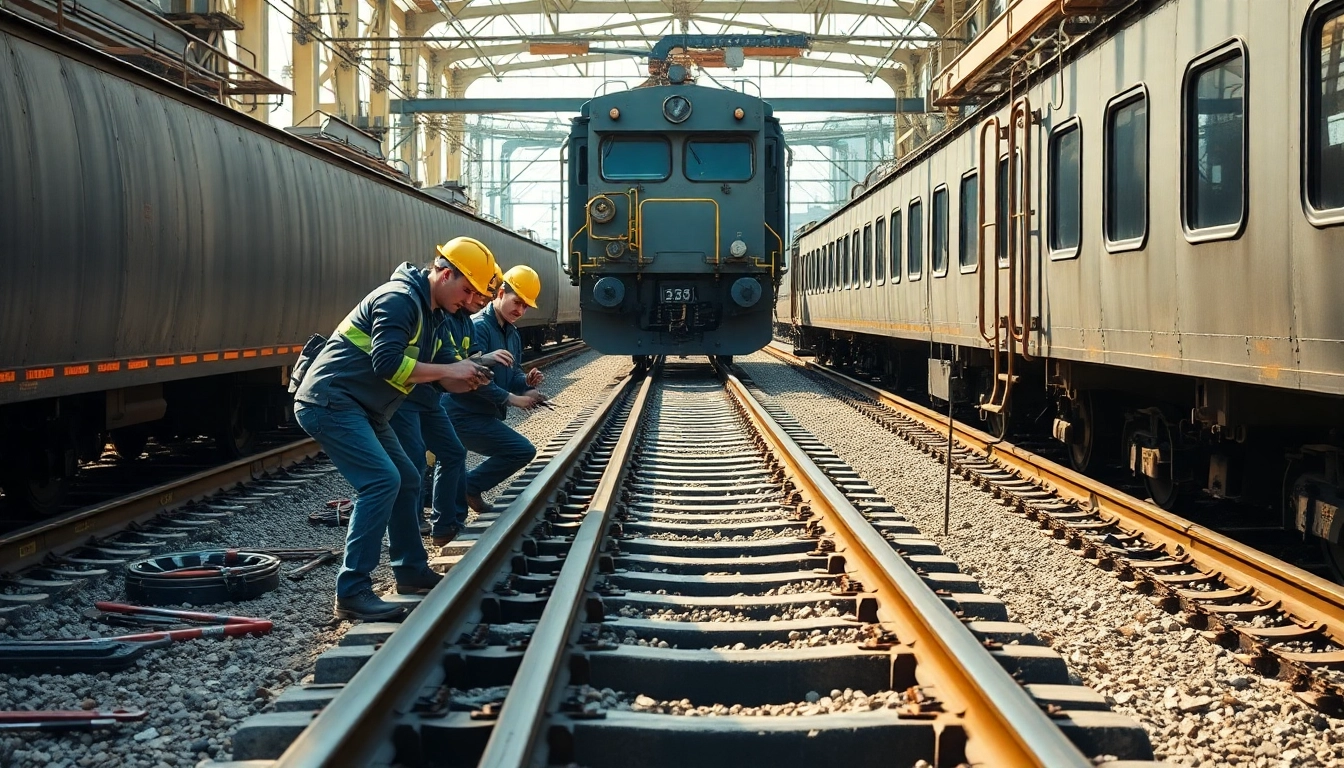
Railway maintenance is a systematic process aimed at preserving, restoring, and ensuring the optimal functioning of railway systems. This encompasses various activities such as track inspection, repairs, and the servicing of rolling stock and signaling systems. The primary goal of railway maintenance is to enhance safety, ensure efficiency in operations, and prolong the lifespan of the railway infrastructure and rolling stock. Given its critical nature, effective railway maintenance is necessary for the seamless operation of rail transport services.
Why Railway Maintenance is Crucial for Safety
Safety is the foremost concern in any transportation system, and railways are no exception. Regular maintenance helps identify and rectify potential hazards before they escalate into serious issues, such as accidents or derailments. Well-maintained tracks prevent misalignments, ballast issues, and structural failures that could result in catastrophic events. Moreover, routine checks on rolling stock ensure that trains operate at optimal conditions, safeguarding both passengers and freight.
The Economic Benefits of Effective Railway Maintenance
Investing in comprehensive railway maintenance yields significant economic advantages. Preventative maintenance can lead to reduced long-term costs by minimizing unexpected breakdowns and prolonging the life of assets. Efficient maintenance programs can also enhance service reliability, which in turn fosters customer confidence and leads to increased ridership and freight movement. Additionally, well-maintained rail networks can stimulate local economies by ensuring smooth transit for goods and services.
Key Components of Railway Maintenance Systems
Track Inspection Techniques
Track inspections are vital in identifying weaknesses and potential failure points in the railway infrastructure. Modern techniques include visual inspections, ultrasonic testing, and use of track geometry cars that collect real-time data on track conditions. Each method plays a role in determining track alignment, rail wear, and safety compliance. Furthermore, the integration of drones and remote monitoring technologies offers innovative ways to enhance inspection accuracy and frequency.
Rolling Stock Maintenance Strategies
Rolling stock maintenance focuses on both the mechanical and electronic systems of trains. Maintenance strategies generally follow a predictive, preventative, or corrective approach. Predictive maintenance uses data analytics to forecast failures and schedule actions. Preventative maintenance involves routine checks and services based on manufacturer recommendations, while corrective maintenance addresses immediate faults as they arise. The right strategy ensures operational efficiency and longevity of trains.
Signal and Communication System Upkeep
The signaling system is the nervous system of railways, controlling vehicular movements along the tracks to prevent collisions. Regular maintenance of signals and communication systems is essential to ensure operational safety. This includes routine checks, software updates for signaling technologies, and validation of communication networks. Regular evaluation and upgrading of these systems enhance their reliability, allowing for improved integration with other safety measures.
Best Practices in Railway Maintenance
Scheduled Maintenance vs. Emergency Repairs
Scheduled maintenance is proactive, planned, and performed at regular intervals as per operational guidelines. It aims to prevent breakdowns and ensures systems are operating efficiently. Conversely, emergency repairs are reactive, addressing issues that arise unexpectedly. While both are critical, scheduled maintenance typically proves more cost-effective over time, reducing the need for disruptive urgent fixes and preserving the integrity of services.
Using Technology in Railway Maintenance
The adoption of technology in railway maintenance has revolutionized the sector. Tools such as condition monitoring systems, artificial intelligence, and predictive analytics enhance the decision-making process for maintenance crews. Internet of Things (IoT) applications help in real-time monitoring of various components, substantially decreasing reaction times to identified issues, thus improving system resilience and operational efficiency.
Team Training and Safety Protocols
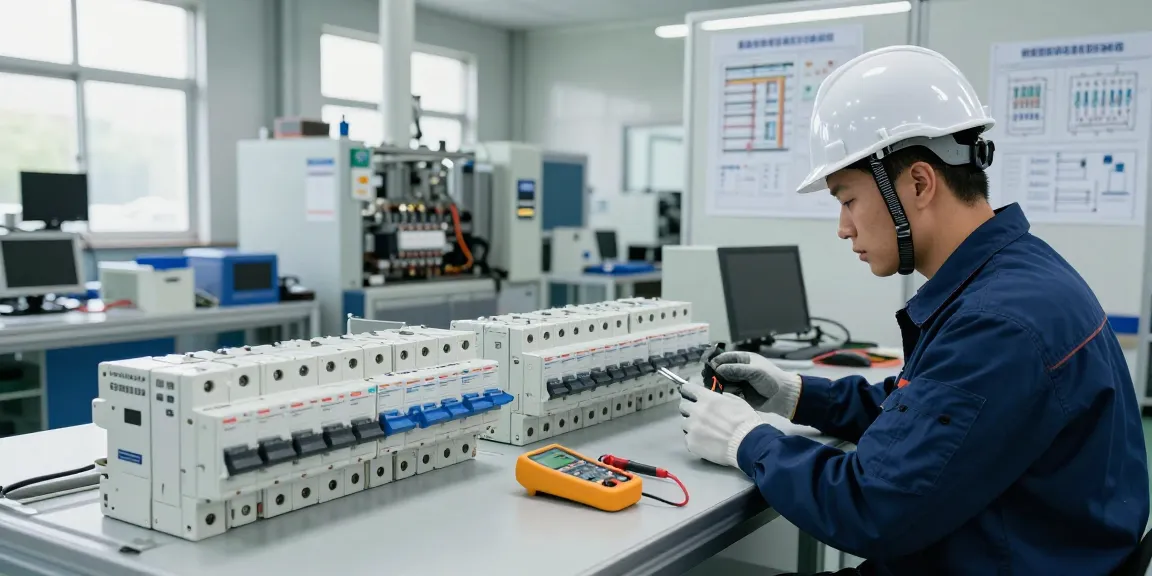
Investing in team training and comprehensive safety protocols is essential for effective railway maintenance. Well-trained personnel are equipped to identify potential risks and ensure compliance with established standards. Regular training sessions, workshops, and safety drills not only enhance skill sets but foster a safety-first culture. This ultimately leads to better outcomes in servicing and reduces the likelihood of accidents linked to human error.
Innovations Transforming Railway Maintenance
Automation and Its Impact on Maintenance Efficiency
Automation has emerged as a transformative force in railway maintenance. Automated systems can perform repetitive tasks faster and more accurately than humans, thereby enhancing overall productivity. For instance, automated inspection robots can identify track anomalies more reliably than manual inspections, allowing maintenance teams to act swiftly and effectively.
Data-Driven Decision Making in Maintenance
Data-driven decision-making is integral to modern railway maintenance practices. Utilizing data analytics allows railway operators to track asset performance, forecast maintenance needs, and document historical performance data. This information empowers managers to allocate resources more effectively and prioritize tasks based on evidence rather than intuition, enhancing overall operational efficiency.
Emerging Technologies in Track Inspection
Novel technologies such as laser scanning and ground-penetrating radar are making waves in the field of track inspection. These advanced methods enhance traditional inspection techniques by providing more precise measurements and insights into structural integrity. The use of these technologies can significantly reduce downtime for repairs, ensuring that rail services remain uninterrupted and safe for travelers.
Measuring the Success of Railway Maintenance Initiatives
Performance Metrics for Maintenance Effectiveness
Measuring performance is crucial for understanding the effectiveness of railway maintenance initiatives. Metrics such as Mean Time Between Failure (MTBF), maintenance cost per unit, and track reliability indices provide insights into how maintenance strategies are performing. These are essential in adjusting maintenance practices to improve outcomes and resource allocation.
Feedback Loops in Maintenance Strategies
Establishing feedback loops is vital for continuous improvement in railway maintenance strategies. Collecting data on maintenance outcomes enables teams to refine processes, enhance training programs, and identify areas needing further investment. Analyzing this feedback ensures that lessons learned from past maintenance incidents are integrated into future practices, thus promoting a culture of learning and adaptability.
Continuous Improvement in Railway Operations
Continuous improvement is an overarching philosophy in modern railway maintenance. It involves regularly evaluating and refining maintenance processes, utilizing data insights to innovate solutions. Employing frameworks such as Kaizen or Lean principles can drive efficiency, resulting in prolonged asset life and improved service reliability. The aim is always to enhance safety, performance, and customer satisfaction through consistent and informed improvements.
Frequently Asked Questions
What is railway maintenance?
Railway maintenance refers to the activities and practices aimed at keeping railway systems operational and safe, including track inspections, rolling stock servicing, and signal system upkeep.
Why is railway maintenance important?
It is crucial for safety, operational efficiency, and economic performance. Regular maintenance helps prevent accidents and reduces long-term operational costs.
What are the main components of railway maintenance?
The main components include track inspection, rolling stock maintenance, and upkeep of signaling and communication systems, all integral to safe and efficient operations.
How does technology improve railway maintenance?
Technology enhances railway maintenance through data analytics, real-time monitoring, and automation, allowing for more efficient, accurate, and timely maintenance interventions.
What metrics are used to measure maintenance success?
Common metrics include Mean Time Between Failure (MTBF), maintenance costs, and reliability indices, which help evaluate the effectiveness of maintenance strategies.