Understanding the Importance of Track Inspection
What is Track Inspection?
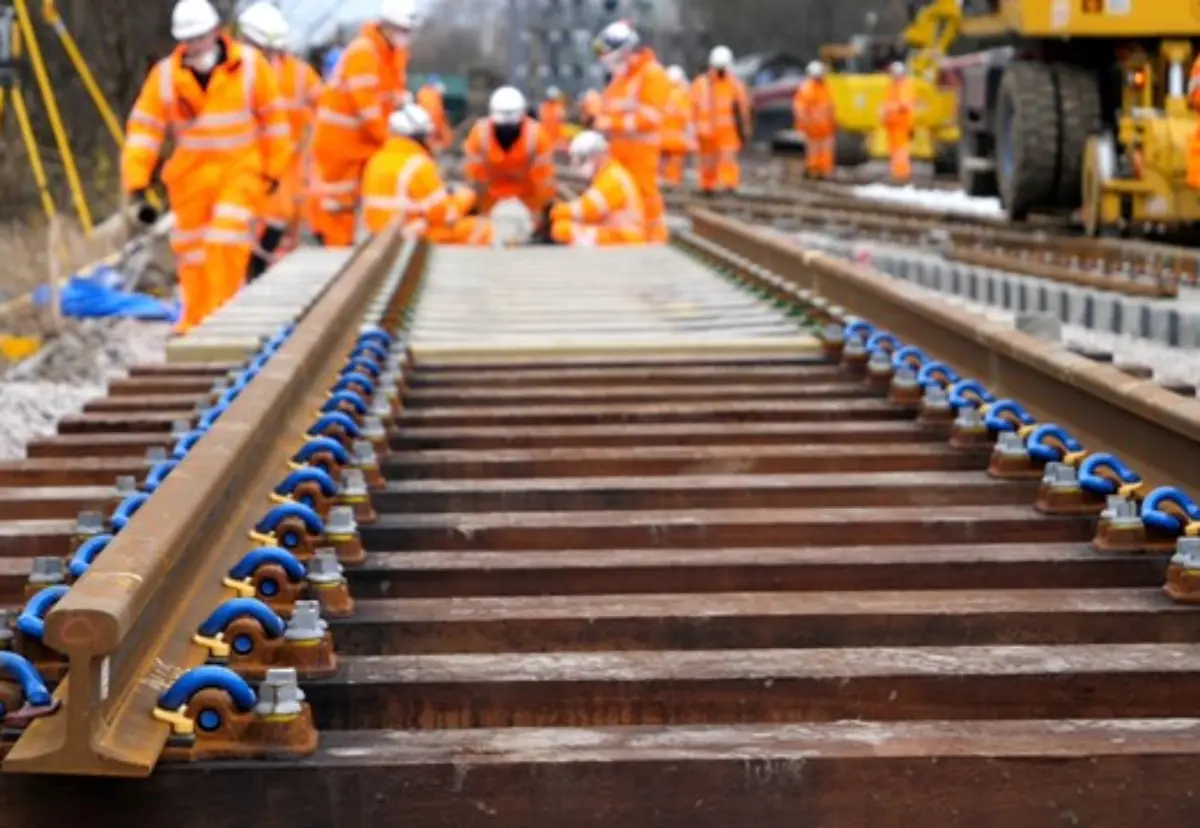
Track Inspection is a critical process in rail infrastructure maintenance that ensures the safety and reliability of railway operations. This involves a comprehensive evaluation of railway tracks, their components, and surrounding infrastructure to identify any abnormalities that could affect train operations. Inspections can be conducted using a variety of methods, ranging from manual assessments to the application of advanced technology. The primary goal is to maintain optimal track conditions and enhance operational efficiency.
Why Track Inspection Matters for Safety
Safety is paramount in the rail industry, and this is where Track Inspection plays a vital role. Regular inspections help to identify potential risks and prevent accidents, ensuring that trains operate on safe and reliable tracks. By detecting issues such as track cracks, misalignments, or wear and tear, railway operators can take timely corrective actions. This proactive approach not only safeguards passengers and freight but also minimizes operational disruptions and enhances the overall safety culture within the rail system.
Overview of Common Track Inspection Methods
Various methods are employed to conduct Track Inspection, each with its unique advantages. Traditional manual inspections involve walking the track and visually checking for defects, which allows inspectors to assess track conditions firsthand. However, this method can be time-consuming and limited in scope. On the other hand, technological advancements have introduced methods such as ultrasonic testing, ground-penetrating radar, and thermal imaging. These advanced techniques allow for more comprehensive inspections, enabling the identification of subsurface defects and other hidden issues that might go unnoticed during manual checks.
The Key Benefits of Regular Track Inspection
Improved Safety Protocols through Consistent Inspections
Regular Track Inspection forms the backbone of safety protocols in railway operations. By ensuring that tracks are routinely evaluated, rail companies can create a culture of safety. Routine inspections help not only in identifying immediate issues but also in establishing patterns over time that can signify underlying problems. This consistency in monitoring allows for a structured approach to risk management, as operators can effectively prioritize maintenance efforts based on inspection findings.
Cost-Efficiency and Long-Term Savings
Investing in Track Inspection can yield significant cost savings in the long run. By addressing issues early, rail operators can prevent costly major repairs and reduce the likelihood of service disruptions. Systematic inspections help to optimize the lifecycle of track assets, minimizing the need for extensive refurbishments and extending their usage. Furthermore, understanding wear patterns can inform better budget forecasts for maintenance, leading to more effective allocation of resources.
Maintaining Service Reliability with Track Inspections
Service reliability is crucial to maintaining customer satisfaction and operational efficiency. Frequent Track Inspection ensures that any potential disruptions to service are identified and rectified before they escalate into larger issues. This leads to fewer delays and cancellations, enhancing the overall reliability of the rail network. With track conditions constantly monitored, operators can easily adapt to changing conditions, ensuring trains run smoothly and on schedule.
Advanced Techniques in Track Inspection
Utilizing Modern Technology for Accurate Track Inspection
The integration of modern technology has revolutionized Track Inspection methods. Automated systems equipped with sensors and high-definition cameras can monitor tracks while trains are in motion. These systems gather extensive data, analyze track conditions in real time, and provide actionable insights. Technologies like machine learning algorithms enhance the precision of data analysis, enabling predictive maintenance strategies that can allocate resources efficiently.
Drone Applications in Track Inspection
Drones have emerged as a game-changer in Track Inspection. Their ability to capture aerial data without disrupting train operations allows for extensive track surveys across long stretches of rail. Equipped with high-resolution cameras and advanced sensors, drones can identify issues such as vegetation encroachment, track misalignment, and structural irregularities from significantly high vantage points. This method not only enhances the safety of inspectors but also speeds up data collection and analysis.
Data Analysis and Predictive Maintenance
The vast amounts of data generated by advanced Track Inspection techniques necessitate efficient data analysis practices. Predictive maintenance utilizes data analytics to forecast potential track issues before they become critical failures. By analyzing historical data alongside real-time monitoring outputs, rail companies can identify trends and performance indicators. This information can guide maintenance scheduling, ensuring optimal track performance while minimizing unexpected repairs and operational downtime.
Challenges Faced during Track Inspections
Weather Conditions and Their Impact
Weather conditions often pose significant challenges during Track Inspection. Rain, snow, and extreme temperatures can hinder visibility and affect the accuracy of inspections. Moreover, adverse weather can lead to dynamic track conditions that may not be fully assessable during routine checks. Rail companies must develop comprehensive weather contingency plans to ensure inspections can be performed safely and effectively, even under challenging conditions.
Access Issues and Remote Inspections
Remote and inaccessible areas present further challenges for Track Inspection. Inspectors may struggle to reach certain sections of track due to geographical constraints or limited infrastructure. Leveraging drone inspections can mitigate these access issues, enabling thorough evaluation without risking personnel safety. Moreover, using remote data collection methods reduces the need for physical presence, thus enhancing the efficiency of inspections.
Balancing Safety with Efficiency
Striking a balance between safety and efficiency is essential in Track Inspections. While thorough inspections are crucial for safety, they can sometimes slow down rail operations. Hence, integrating technology and automated inspection systems can provide a solution, allowing for continuous monitoring without compromising operational efficiency. Establishing standardized inspection intervals combined with advanced monitoring methods ensures safety is prioritized while maintaining efficient operations.
Future Trends in Track Inspection
Innovations on the Horizon for Track Inspection
The future of Track Inspection appears bright, with numerous innovations poised to enhance inspection processes. Developments in sensor technologies, artificial intelligence, and data analytics are expected to improve detection rates and decision-making processes. These advancements will contribute to a more proactive maintenance culture, creating opportunities for rail operators to maximize operational efficiency and safety.
Adaptive Maintenance Strategies
Adaptive maintenance strategies will play a pivotal role in shaping the future of Track Inspection. Rather than adhering to rigid maintenance schedules, operators will adopt flexible practices that consider real-time data. By focusing on the specific needs of track segments, rail companies can implement targeted interventions that extend asset life and improve safety without unnecessary expenditures.
The Role of AI in Enhancing Track Inspection
Artificial intelligence promises to transform Track Inspection with its potential for predictive analysis. Our ability to leverage machine learning algorithms enables the identification of possible failure patterns from historical data. Moreover, AI systems can facilitate the automation of inspection tasks, reducing human error and optimizing overall efficiency. As rail networks evolve into smart systems, the integration of AI will become pivotal for maintaining safety and operational reliability.
Frequently Asked Questions
What is the primary purpose of Track Inspection?
The main purpose of Track Inspection is to ensure the safety and reliability of railway tracks by identifying potential issues and enabling timely maintenance actions.
How often should track inspections be conducted?
The frequency of track inspections varies based on factors such as the volume of traffic, environmental conditions, and regulatory requirements, typically ranging from weekly to monthly.
What modern technologies are used in track inspections?
Modern technologies include drones, ultrasonic testing, ground-penetrating radar, and data analytics tools, which enhance the accuracy and efficiency of inspections.
What are common challenges during track inspections?
Common challenges include adverse weather conditions, remote access to inspection areas, and the need to balance safety with the efficiency of the inspection process.
How does predictive maintenance improve track safety?
Predictive maintenance uses data analytics to anticipate failures, allowing for proactive maintenance actions that enhance safety and prevent service disruptions.