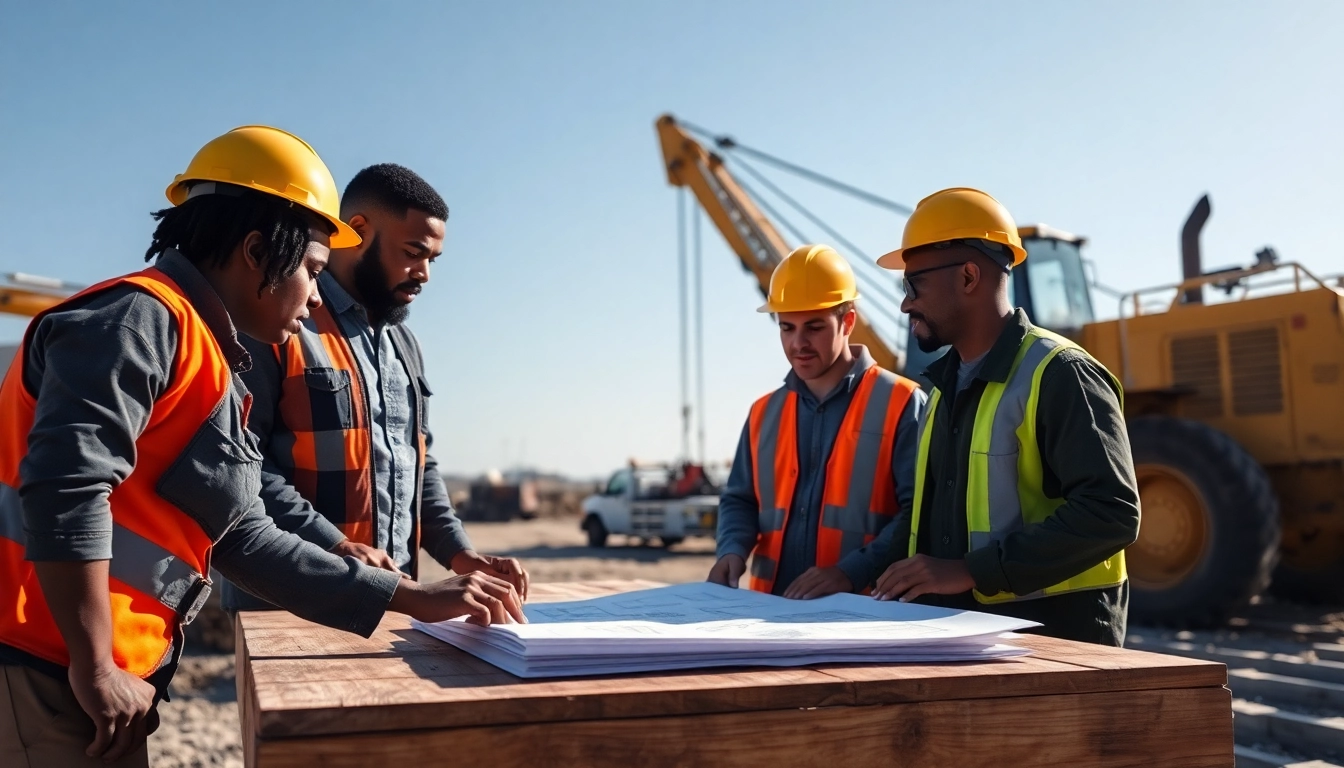
Understanding Construction Workforce Development
Definition and Importance
Construction workforce development is a comprehensive approach aimed at equipping individuals with the skills, knowledge, and experience needed to thrive in the construction industry. As the demand for skilled labor in construction continues to grow, investing in workforce development has never been more critical. Effective initiatives not only help close the skills gap but also foster economic growth and improve job prospects for residents in local communities. This holistic approach includes education, training, apprenticeships, and partnerships between various stakeholders to ensure that the workforce is well-prepared for the challenges of modern construction.
The importance of construction workforce development cannot be overstated. A well-trained workforce is essential for maintaining safety standards, enhancing productivity, and improving project quality. Additionally, as technology evolves, the industry's need for workers skilled in advanced technologies and sustainable practices increases. Workforce development addresses these needs by promoting ongoing training and adaptation to new methods, ensuring workers can meet the evolving demands of the industry.
Current Trends in Construction Workforce Development
Several trends are shaping the landscape of construction workforce development. One significant trend is the integration of technology into training programs. Virtual reality (VR) and augmented reality (AR) are being used to provide immersive training experiences that better prepare workers for real-world situations. These technologies allow trainees to simulate job conditions, helping them develop necessary skills in a safe environment.
Another trend is the focus on diversity and inclusion within the workforce. There is a strong push to recruit individuals from underrepresented groups, including women and minorities, into construction roles. This initiative not only helps to build a more diverse workforce but also addresses labor shortages by tapping into wider talent pools.
Moreover, there is a growing emphasis on sustainability in construction practices. Workforce development programs are increasingly incorporating training on green building practices, sustainable materials, and energy-efficient construction methods. This shift not only helps combat climate change but also prepares workers for a future where sustainable practices are essential.
Key Challenges Faced by the Industry
Despite the progress being made, there are still significant challenges facing construction workforce development. One of the primary difficulties is attracting new talent to the industry, particularly as many younger workers are unaware of the opportunities available. This lack of awareness can lead to misconceptions about what careers in construction entail, fostering reluctance among potential candidates.
Additionally, the industry still grapples with a perception problem, where construction jobs are viewed as low-skilled and unappealing. Changing this narrative requires concerted marketing efforts that showcase the rewarding nature of careers in construction, including the potential for career advancement and the opportunity to work on impactful projects.
There is also the ongoing challenge of ensuring that training programs keep pace with technological advancements. As the construction landscape changes, programs must evolve to provide relevant skills that align with current and future industry needs. Inconsistencies in training quality can leave workers unprepared for the realities of modern construction sites.
Essential Skills for Future Construction Workers
Technical Skills for Modern Construction
Today's construction workers are required to possess a blend of traditional craftsmanship skills and modern technical competencies. Proficiency in using construction management software and tools, understanding building information modeling (BIM), and familiarity with automation and robotic tools is increasingly essential. Technical skills also encompass knowledge of safety regulations and procedures to ensure worker safety and compliance with local laws.
Furthermore, as the industry moves towards environmentally friendly practices, understanding sustainable construction techniques is becoming a vital technical skill. Workers need to be adept at working with alternative materials and methods that minimize environmental impact.
Soft Skills in Construction Workforce Development
While technical competencies are crucial, soft skills play a significant role in the success of construction workers. Skills such as communication, teamwork, and problem-solving abilities are fundamental in a collaborative environment like construction. The ability to effectively communicate with team members, subcontractors, and clients enhances overall project efficiency and fosters positive working relationships.
Adaptability is another essential soft skill. The construction industry is dynamic, often requiring workers to adjust to changing circumstances and unexpected challenges. Workers who demonstrate resilience and flexibility are more likely to thrive in this environment.
Continuous Learning and Certifications
As the construction sector evolves, continuous learning is essential for workers to remain competitive in the labor market. Pursuing certifications in specialized areas such as heavy machinery operation, safety standards compliance, and project management can significantly enhance a worker's employability.
Many organizations offer programs that allow workers to gain additional credentials. These certifications not only provide tangible proof of a worker's skills but also enhance job performance and open doors to advancement opportunities within the field.
Effective Strategies for Workforce Development
Training Programs and Apprenticeships
One of the most effective strategies for workforce development is the implementation of training programs and apprenticeships. Apprenticeships offer a balanced combination of education and hands-on experience, allowing participants to develop practical skills while receiving mentorship from experienced professionals. This model leads to a skilled workforce equipped with real-world experience.
Organizations are increasingly partnering with local community colleges and trade schools to develop training programs tailored to the specific needs of the industry. These programs often combine classroom instruction with on-the-job training, ensuring that participants are industry-ready upon completion.
Industry Partnerships for Skill Building
Collaborations between employers, educational institutions, and government agencies are crucial for effective construction workforce development. These partnerships ensure alignment between training programs and the needs of the industry, facilitating the creation of comprehensive skill-building initiatives.
Initiatives like job fairs, mentorship programs, and industry-led workshops allow all parties involved to actively engage in shaping the future workforce. Such collaborations not only improve the pipeline of skilled workers but also foster community relationships and increase overall economic development.
Utilizing Technology in Training
Technology is transforming how training is delivered in the construction industry. E-learning platforms and mobile apps provide flexible and accessible training solutions. These tools allow workers to access training modules at their convenience and on their devices, enabling continuous learning without impacting work schedules.
Additionally, the use of simulation technologies, such as VR and AR, offers unique training experiences that traditional classrooms cannot replicate. By practicing in simulated environments, workers can hone their skills in a safe and controlled setting, leading to improved preparedness when they enter actual job sites.
Impact of Construction Workforce Development on Communities
Economic Benefits for Local Areas
Robust construction workforce development initiatives have direct economic benefits for local communities. By creating a skilled workforce, communities can attract new construction projects and investments. Skilled workers contribute to higher-quality work, reducing costly errors and improving project efficiency, which appeals to potential investors and developers.
Furthermore, a thriving construction industry leads to job creation, not just within construction but also in related sectors such as manufacturing, transportation, and retail. As workers gain stable employment, overall economic growth within the community accelerates.
Promoting Diversity in Construction Workforce Development
Promoting diversity in the construction workforce is essential for fostering an inclusive environment that reflects the communities in which these businesses operate. Strategies focused on attracting a diverse workforce elevate the industry's perception and help create a more equitable job market.
Programs aiming to educate and recruit women, minorities, and veterans provide critical opportunities for underrepresented groups. Initiatives that offer scholarships, mentorship programs, and targeted outreach can effectively dismantle barriers to entry in the field, enriching the industry with varied perspectives and approaches.
Case Studies of Successful Programs
Numerous case studies illustrate the effectiveness of targeted construction workforce development initiatives. For example, programs that integrate high school students into hands-on training opportunities have shown increased student engagement and retention in the field. Drawing from similar success stories, organizations can tailor their strategies to fit local community needs effectively.
Another successful example includes joint ventures between community colleges and construction firms to provide specialized training tailored to the demands of the local market. Such collaborations ensure a steady pipeline of skilled workers ready to meet industry needs.
Measuring Success in Workforce Development Initiatives
Key Performance Indicators for Training Programs
To evaluate the effectiveness of workforce development initiatives, organizations should establish key performance indicators (KPIs) that track progress. Metrics such as job placement rates, student retention rates, and participant satisfaction surveys can provide insight into the success of training programs.
Two critical KPIs are the percentage of graduates who secure employment within a specified time frame and the duration of time it takes them to find a job. Consistently analyzing these indicators allows organizations to refine their programs and address any potential weaknesses.
Feedback Mechanisms for Continuous Improvement
Regular feedback from trainees, instructors, and industry partners is essential for continuous improvement of workforce development programs. Surveys and focus groups can garner valuable input on what aspects of training were effective and which areas require enhancement.
Establishing mechanisms for ongoing feedback also fosters a strong connection between training providers and the construction industry, ensuring that workforce needs continue to align with training objectives.
Long-term Outcomes and Community Impact
The long-term impact of effective construction workforce development extends beyond individual success stories; it influences entire communities. Enhanced economic prospects can lead to increased local spending, improved quality of life, and revitalization of neighborhoods as more skilled workers contribute to community development projects.
When workforce development initiatives effectively equip individuals with the skills needed for employment, the ripple effect is felt throughout the community. Residents benefit from more jobs, increased disposable income, and better services, creating a cycle of growth and opportunity.