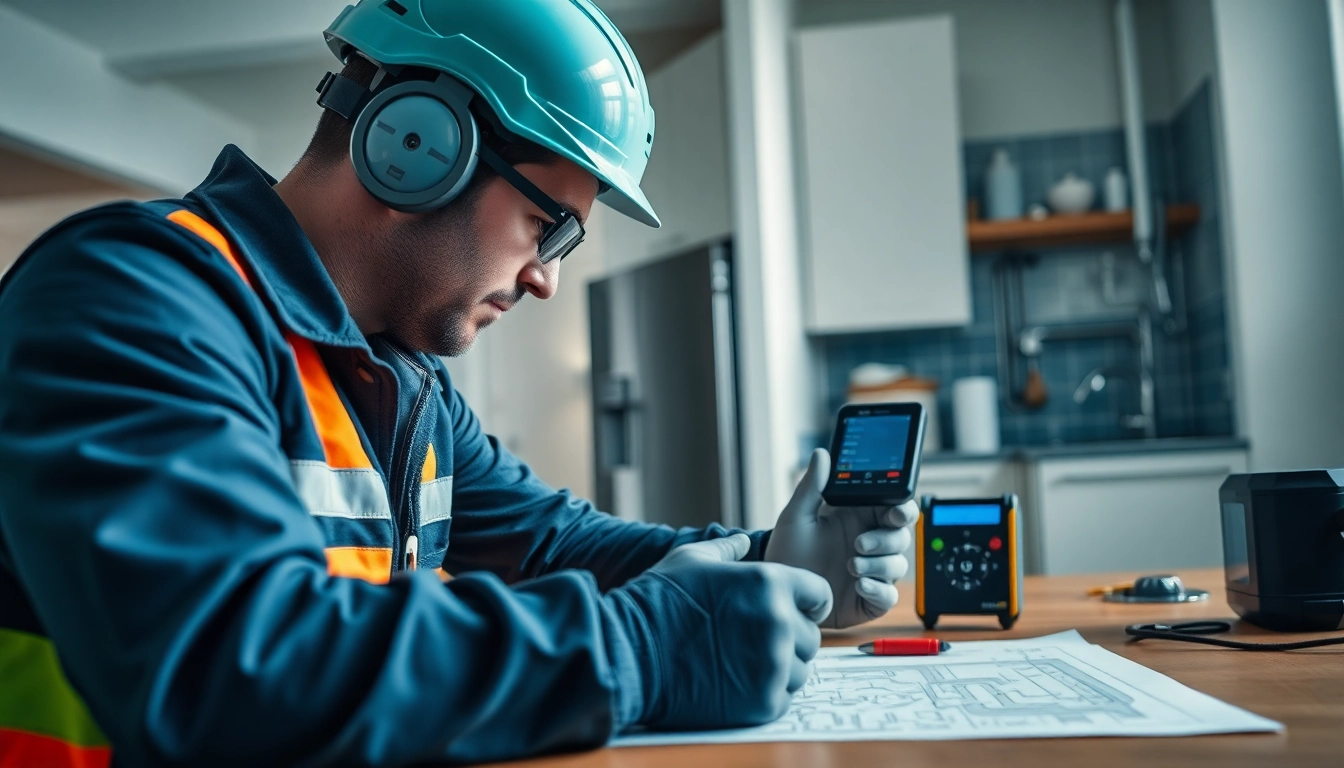
Understanding Leak Detection Services
In today's modern world, the integrity of a home or building greatly depends on its plumbing system. Water leaks, whether visible or hidden, can cause significant damage and lead to costly repairs. This is where a Leak Detection Specialist comes into play. These experts are trained to identify, locate, and remediate leaks promptly and effectively. Understanding the role of these specialists and the services they offer is crucial for homeowners and property managers alike.
What is a Leak Detection Specialist?
A leak detection specialist is a professional equipped with specialized skills and tools to locate leaks in plumbing systems, roofs, basements, and other areas. They utilize advanced techniques and technologies to find leaks that might not be obvious to the naked eye. Often, these specialists are trained plumbers or technicians who have further expertise in leak detection methods. Their role extends beyond mere identification; they also provide solutions for repair and restoration, ensuring that properties are protected from the lingering effects of water damage.
Importance of Professional Leak Detection
The significance of hiring a professional leak detection specialist cannot be overstated. The early detection of leaks minimizes the potential for extensive damage, which can lead to costly repairs. Water leaks may compromise structural integrity, lead to mold growth, and result in increased utility bills. With a professional intervention, property owners can save on long-term costs and maintain the quality of their environment. Additionally, many insurance companies require evidence of leak detection assessments for claims related to water damage, making it vital to engage certified professionals.
Common Methods Used in Leak Detection
Leak detection specialists employ a variety of methods to locate leaks accurately. The most common techniques include:
- Acoustic Detection: This method involves using microphones and sensors to listen for the sound of water escaping from pipes. It is particularly effective for underground leaks.
- Thermal Imaging: By using infrared cameras, specialists can identify temperature variations indicative of water leaks, especially in walls and ceilings.
- Tracer Gas Detection: This technique involves introducing a harmless gas into the plumbing system that escapes at the leak points, allowing for precise location via gas analysis.
- Moisture Meters: These devices measure moisture levels in building materials, helping to identify leaks behind walls and other hidden areas.
Signs You Need a Leak Detection Specialist
Knowing the signs that indicate the need for a leak detection specialist can be crucial in preventing severe damage. Here are some key indicators:
Identifying Visible and Hidden Leaks
Visible leaks are symptoms that usually demand immediate attention. Signs include:
- Water Stains: Discoloration on walls or ceilings often signals a leak.
- Puddles of Water: Any unexplained water accumulation on the floor suggests a leak nearby.
- Damp Odors: Persistent wet smells can indicate hidden leaks that are not readily visible.
Hidden leaks, however, can be far more challenging to detect. Indicators might include:
- Unexpectedly High Water Bills: A spike in your water bill may suggest that water is escaping somewhere unseen.
- Reduced Water Pressure: This could be due to water leaking before it reaches the taps.
- Mold Growth: Unexplained mold in your home is often a telltale sign of a leak.
Noise, Odors, and Water Behavior as Indicators
In addition to visible signs, auditory and olfactory clues can pinpoint the presence of leaks:
- Strange Noises: Sounds like dripping or running water when taps are off might indicate a leak.
- Unusual Odors: Foul smells can emanate from stagnant water caused by leaks.
- Changes in Water Behavior: If your property has shifting patterns in how water drains or pools, leaks may be an issue.
Assessing Potential Damage from Undetected Leaks
Long-term exposure to undetected leaks can lead to severe structural and health issues:
- Mold and Mildew Growth: Water damage creates a conducive environment for mold, which can lead to health problems.
- Structural Damage: Prolonged water exposure can weaken foundations, walls, and ceilings.
- Increased Energy Costs: Damp areas are more challenging to heat or cool, leading to higher energy bills.
Choosing the Right Leak Detection Specialist
Investing in a skilled leak detection specialist ensures you receive quality service. Here’s how to choose the right one:
Qualifications and Certifications to Look For
Ensure that any leak detection specialist you consider holds relevant qualifications and certifications. Important credentials may include certifications from recognized plumbing or leak detection organizations. Additionally, check if the specialist is licensed and insured, as this provides an extra layer of protection for your property.
Customer Reviews and Testimonials
Customer feedback is a valuable tool in assessing the effectiveness of a leak detection specialist. Look for online reviews, testimonials on their website, and feedback on third-party platforms. A professional reputation built on positive reviews indicates reliability and expertise.
Cost Factors and Service Packages
The cost of leak detection services can vary widely based on several factors:
- Type of Detection Method: Advanced technologies like thermal imaging may incur additional charges.
- Extent of the Leak: More complex leaks that require extensive searching will generally be more expensive.
- Value-added Services: Some specialists may offer comprehensive packages that include repair services, which could represent better overall value.
Advanced Technologies in Leak Detection
As technology evolves, so does the equipment used in leak detection. Here's a closer look at some of the advanced technologies that specialists utilize today:
Thermal Imaging and Acoustic Detection
Thermal imaging uses infrared cameras to detect temperature differences caused by leaks, helping specialists visualize leaks that would otherwise remain hidden. Acoustic detection, on the other hand, involves using sensitive microphones and sensors that can pick up the sounds of leaks within pipes and walls.
Benefits of Using High-Tech Equipment
Employing advanced technologies in leak detection offers various advantages:
- Precision: Technologies enable accurate identification of leak locations, minimizing damage during repair.
- Efficiency: These tools streamline the detection process, reducing service time and costs.
- Less Disruption: High-tech methods cause minimal disruption to your property compared to traditional invasive techniques.
Case Studies Showcasing Technology Effectiveness
Several case studies illustrate the effectiveness of advanced leak detection technologies:
- A commercial property experienced unexplained water damage, and through thermal imaging, specialists identified a hidden leak behind a wall that was leaking unnoticed for months.
- In a residential building, acoustic detection pinpointed a leaking pipe under the foundation, allowing for targeted repairs that saved the homeowner from significant structural damage.
Frequently Asked Questions About Leak Detection
How Long Does Leak Detection Take?
The duration of leak detection largely depends on the complexity of the job and the methods employed. Basic inspections may take a few hours, while the identification of hidden leaks could extend over several hours or a full day. Providing the specialist with any observed signs can expedite the process.
What Can Homeowners Do to Prevent Leaks?
Homeowners can take proactive steps to minimize the risk of leaks:
- Regular Maintenance: Conduct routine plumbing inspections to catch minor issues before becoming severe.
- Insulate Pipes: Insulating pipes can prevent freezing and cracking during colder months.
- Monitor Water Bill: Keep an eye on your water bill for sudden increases that might indicate a leak.
- Know Your Plumbing: Be familiar with the layout of your plumbing, as it can help you identify anomalies.
When Should You Contact a Leak Detection Specialist?
If you notice any indications of leaks described above, it's essential to contact a leak detection specialist immediately. The quicker you act, the more likely you can prevent substantial damage and costly repairs. It's also advisable to have a professional inspection annual to catch any developing problems early.