
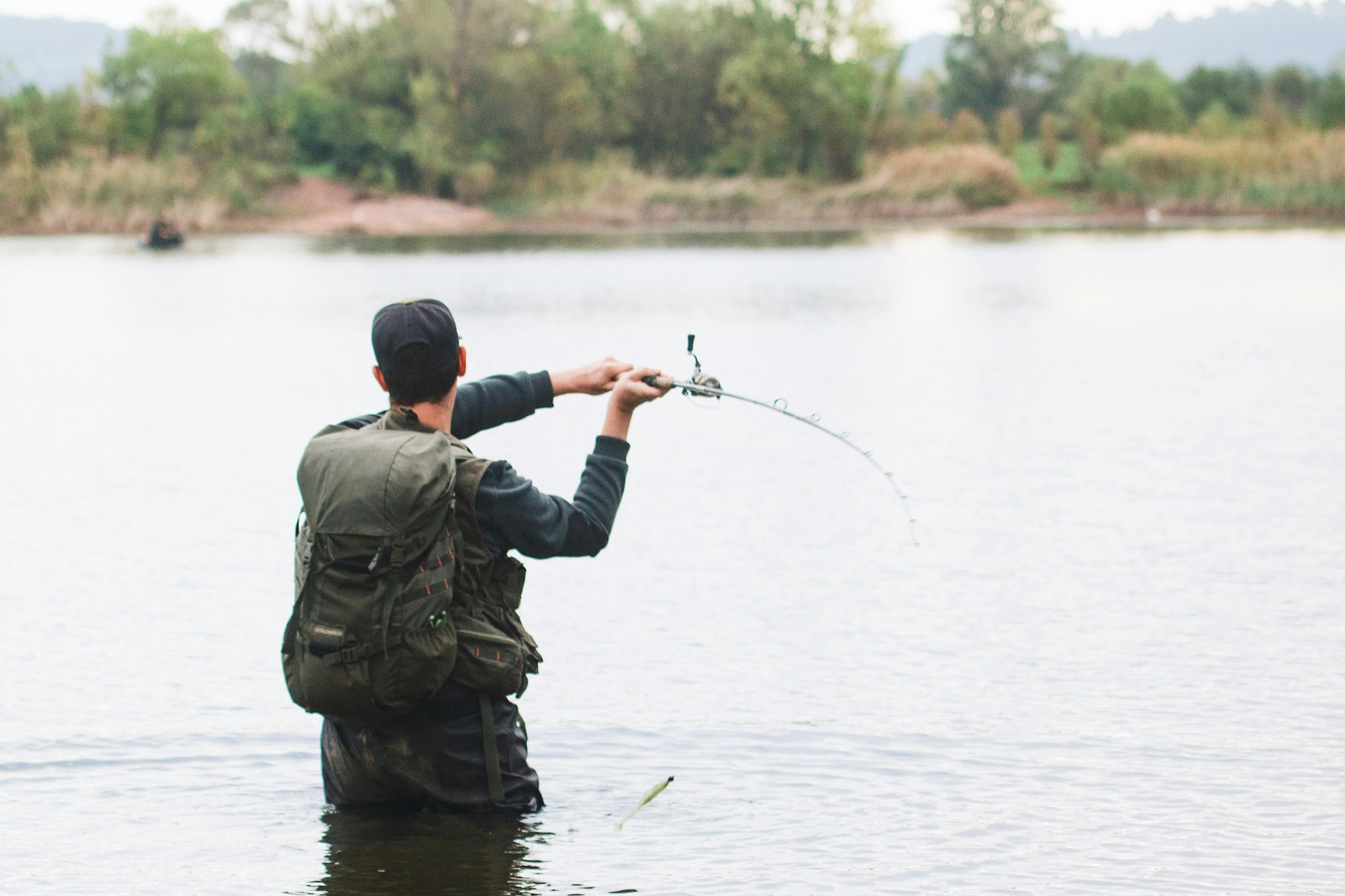
Fly fishing is a unique and rewarding sport that requires the right gear to maximize your experience. One of the most critical decisions for any angler is selecting the perfect Fly fishing combo. A well-chosen combo, which typically includes a rod, reel, and line, can make a significant difference in your casting accuracy, presentation, and overall enjoyment on the water. In this guide, we’ll walk you through the essential considerations when choosing a fly fishing combo that suits your specific needs.
Understanding the Components of a Fly Fishing Combo
Before diving into the selection process, it’s important to understand what a fly fishing combo consists of. A standard fly fishing combo includes three primary components: the rod, the reel, and the fly line. Each component plays a vital role in performance. The rod determines how far and accurately you can cast, the reel stores and retrieves line while helping to fight fish, and the fly line affects the presentation and weight needed for your specific fishing conditions. By understanding these components, you can make a more informed decision when choosing a combo.
Choosing the Right Rod for Your Fly Fishing Combo
The rod is the heart of any fly fishing combo. When selecting a rod, consider its length, weight, and action. Rod length typically ranges from 7 to 10 feet, with longer rods allowing for longer casts and better line control. Rod weight is equally important and is usually matched to the type of fish you intend to catch. For example, a 4-weight rod is ideal for small trout, while a 9-weight rod is suitable for larger species like salmon or steelhead. Rod action refers to the flexibility and responsiveness of the rod, affecting casting style and control. Choosing a rod that complements your skill level and fishing style is crucial for a successful fly fishing experience.
Selecting the Right Reel for Your Combo
While the reel may not seem as critical as the rod, it plays a key role in your fly fishing combo. A good reel should balance the rod, provide smooth drag for fighting fish, and be durable enough to withstand the environment. When selecting a reel, pay attention to its weight, material, and drag system. A lightweight reel reduces fatigue during long fishing sessions, while corrosion-resistant materials ensure longevity in freshwater or saltwater conditions. A reliable drag system helps you control larger fish without breaking your line, making the reel an essential part of your combo.
Understanding Fly Line Types for Your Combo
The fly line is the third crucial element of your fly fishing combo. There are various types of fly lines, including floating, sinking, and sink-tip lines, each designed for different fishing conditions and target species. Floating lines are perfect for surface fishing and dry flies, while sinking lines are suitable for deep-water fishing and streamers. Choosing the right fly line for your combo ensures proper casting distance, presentation, and control over your fly. Matching the line to your rod weight is also critical for optimal performance.
Matching Your Combo to Your Target Species
Another essential consideration when choosing a fly fishing combo is the type of fish you intend to catch. Different species require different rod weights, line types, and reel strengths. For small trout or panfish, a 3- to 5-weight rod with a lightweight reel is sufficient. For larger fish like bass, pike, or salmon, consider an 8- to 10-weight rod paired with a heavier reel and line. Matching your combo to your target species increases your chances of success and ensures that you enjoy your time on the water without frustration.
Considering Your Fishing Environment
The environment in which you fish also plays a significant role in selecting the right fly fishing combo. Stream and river fishing often require shorter rods for better maneuverability, while open water or lake fishing may benefit from longer rods for longer casts. Additionally, saltwater environments demand corrosion-resistant reels and heavier lines to handle strong fish and harsh conditions. Understanding your fishing environment helps you choose a combo that is durable, efficient, and enjoyable to use.
Evaluating Your Skill Level
When choosing a fly fishing combo, your skill level is an important factor. Beginners may benefit from pre-assembled combos that offer a balance of performance and ease of use, while experienced anglers might prefer customizing their rods, reels, and lines to match their casting style and fishing techniques. Selecting a combo that aligns with your abilities ensures that you can focus on learning and enjoying the sport without unnecessary frustration.
Budget Considerations for Your Fly Fishing Combo
Budget is always a practical consideration when choosing a fly fishing combo. High-end combos often provide superior materials, performance, and durability, but mid-range options can offer excellent value for beginners and intermediate anglers. Consider what features are most important to you, such as rod action, reel drag system, or line quality, and invest in a combo that meets your needs without breaking the bank. Remember, a well-chosen combo will last for years, making it a worthwhile investment.
Tips for Testing Your Fly Fishing Combo
Before committing to a fly fishing combo, it’s wise to test it. Many fly shops allow you to cast different rods and reels to get a feel for their performance. Pay attention to how the rod balances in your hand, the smoothness of the reel, and how easily the line casts. Testing ensures that your combo feels comfortable, responsive, and enjoyable, which can greatly enhance your fly fishing experience.
Maintenance Tips for Longevity
Once you’ve chosen your ideal fly fishing combo, proper maintenance is essential for longevity. Rinse reels and rods with fresh water after each use, especially in saltwater environments. Check for any signs of wear on the line, guides, and reel components. Store your combo in a safe, dry place to prevent damage and corrosion. Regular maintenance ensures that your investment continues to perform at its best for years to come.
Conclusion
Selecting the right fly fishing combo is a critical step in becoming a successful and satisfied angler. By considering rod, reel, line, target species, environment, skill level, and budget, you can find a combo that meets your needs and enhances your fishing experience. A carefully chosen combo not only improves your casting and fishing performance but also makes every outing more enjoyable. Whether you’re a beginner or an experienced angler, investing time in selecting the perfect fly fishing combo will pay off with countless memorable moments on the water.