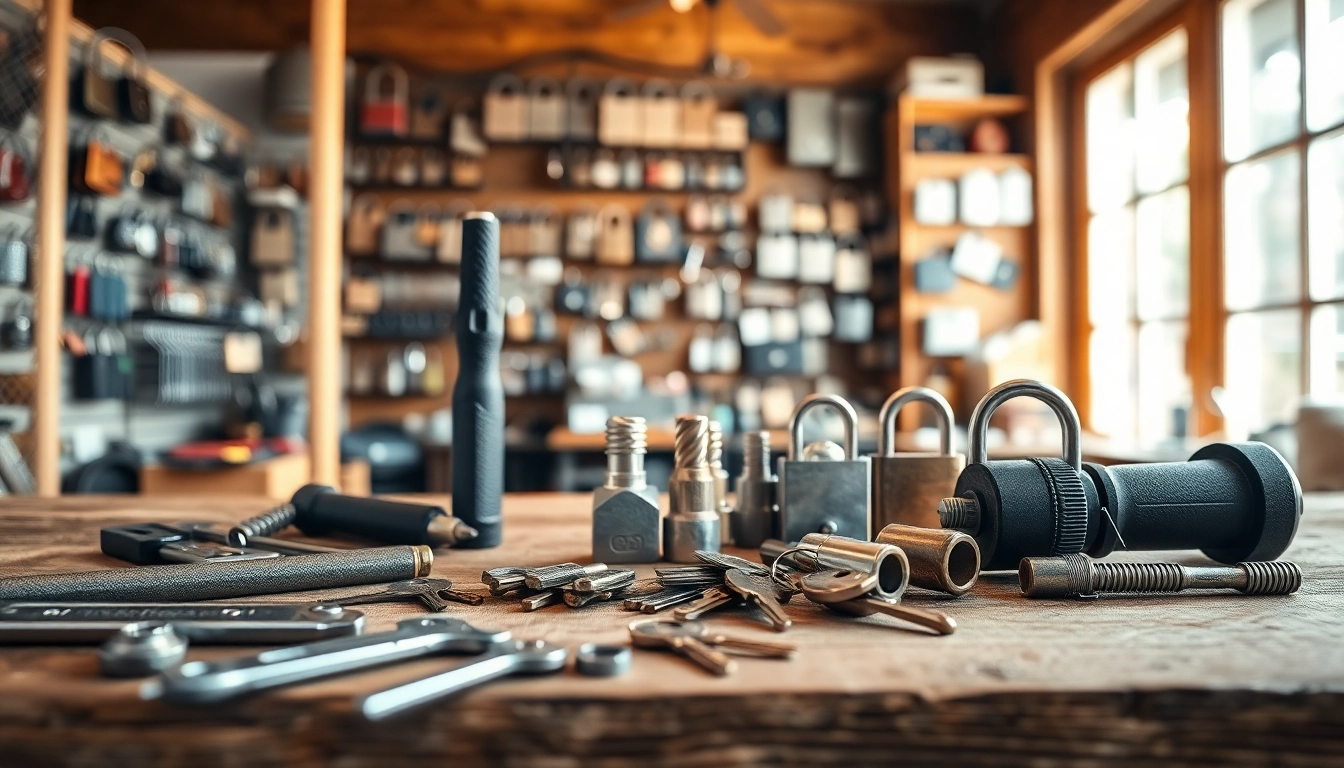
Understanding the Basics of Lock Mechanisms
Locks have been an integral part of human society for thousands of years. From the earliest wooden mechanisms to the advanced electronic systems of today, they serve the fundamental purpose of securing property and ensuring safety. This article delves into various aspects of locks, focusing on their historical evolution, types, functionalities, and contemporary innovations.
The History and Evolution of Locks
The journey of locking mechanisms can be traced back to ancient civilizations. The oldest known lock was found in the ruins of Nineveh, the capital of the Assyrian Empire, dating back to around 4000 BC. This early lock consisted of a wooden bolt that secured a door. As civilizations evolved, so did lock technologies. By the time of the Romans, metalworking techniques allowed for the design of more sophisticated locking devices.
Throughout the Middle Ages, locks became increasingly complex, featuring intricate designs and the first use of keys. The advent of the Industrial Revolution in the 18th century brought about mass production, leading to more affordable and widespread locking mechanisms. Fast forward to the 21st century, and we now find ourselves amidst a digital transformation, where smart locks and electronic systems offer unprecedented levels of security.
Types of Locks and Their Applications
Locks can be broadly categorized into several types, each designed for specific applications:
- Deadbolts: Commonly used in residential doors, these one-piece locks provide a high level of security when properly installed.
- Padlocks: Portable and versatile, padlocks are used in various applications, from securing lockers to gates.
- Digital Locks: These locks require a keypad or biometric input (like fingerprints) for access, ideal for commercial and home applications.
- Smart Locks: Integrating connectivity features, these locks allow users to manage access via smartphone apps, making them a popular choice for modern smart homes.
How Locks Work: An Inside Look
The mechanics of locks, while seemingly straightforward, can be complex. Most traditional locks utilize pins that align with a specific key's grooves, thus allowing the lock to turn. Here’s a breakdown of how some basic locks function:
- Pin Tumbler Locks: These locks operate by lifting pins to a specific height, allowing the cylinder to rotate and unlock.
- Wafer Tumbler Locks: Similar to pin tumbler locks but use flat wafers instead of pins, these are commonly found in automobile locks.
- Electronic Locks: These locks rely on electric current to operate, often using sensors or keypads that authorize access based on provided credentials.
Exploring Advanced Lock Technologies
As technology advances, so too does the sophistication of locking mechanisms. Understanding the latest innovations can help consumers make informed decisions regarding their security. At https://www.dakenlocks.com, you will find a variety of advanced locking solutions tailored to diverse needs.
Digital Locks vs. Mechanical Locks
Digital locks offer advantages over traditional mechanical locks, including convenience and increased security. While mechanical locks are susceptible to physical manipulation, digital locks can employ encryption and access logs, providing a more robust security solution. Additionally, digital systems can integrate with wider home automation setups, enhancing overall security.
Smart Lock Features and Benefits
Smart locks not only streamline access but also provide innovative features such as:
- Remote Access: Users can lock or unlock doors from anywhere through mobile apps.
- Temporary Access Codes: These codes can be generated for guests or service personnel, allowing for controlled access.
- Activity Logs: Many smart locks keep a record of who accessed the lock and when, enhancing accountability.
Comparing Security Levels of Various Locks
When it comes to security, not all locks are created equal. Understanding the different security ratings can significantly impact your choice. Certifications like ANSI/BHMA offer a guideline of performance based on categories ranging from residential use to high-security environments. High-security locks utilize advanced manufacturing techniques and often feature extra protective measures against picking and drilling.
Common Issues With Locks and Solutions
Locks, regardless of their design, experience issues over time. Knowing how to troubleshoot common problems or when to seek professional help can prevent lock-related headaches.
Troubleshooting Common Lock Problems
Some frequent lock problems include:
- Key Jamming: This can occur due to dirt or wear; cleaning the lock or using a lubricant often helps.
- Difficulty Turning the Key: This may indicate misalignment; checking the installation or repositioning the strike plate can resolve this.
- Lock Won't Latch: This could be a result of a damaged latch or misalignment. Realigning or replacing the latch may be necessary.
When to Call a Professional Locksmith
If you encounter complex issues such as a broken key within the lock or an unresponsive electronic locking mechanism, it may be best to consult a professional locksmith. Their expertise can save time and prevent further damage to your locks.
DIY Lock Repairs: What You Can Do Safely
While it is essential to know when to call a professional, some minor repairs can be handled with basic tools:
- Lubricating Locks: Use a graphite powder or silicone spray to keep locks functioning smoothly.
- Replacing Batteries: In electronic locks, regularly checking and replacing batteries can prevent lock-outs.
- Realigning Strike Plates: If the door doesn’t latch properly, adjusting the position of the strike plate may improve functionality.
Implementing Security Best Practices
Choosing the right lock and maintaining it properly is essential to fortifying your security. Here are some best practices for optimal lock security.
Choosing the Right Lock for Your Home
The choice of locks should be based on location, security needs, and type of entrance. For example, exterior doors should have deadbolts and, where possible, smart locks that provide additional features such as alerts and remote access. It's crucial to assess the specific requirements of each entry point in your home.
Regular Maintenance for Optimal Lock Performance
Locks, like any other mechanical device, require regular maintenance to function efficiently. This includes:
- Annual inspections to check for wear and tear.
- Cleaning locks to ensure pins and tumblers are free of debris.
- Lubricating moving parts to prevent rust and ensure smooth operation.
Integrating Locks with Home Security Systems
Today's security landscape often calls for comprehensive approaches. Integrating locks with home security systems can create layers of protection. Consider systems that enable remote monitoring, alerts, and syncing with other security components, such as cameras and alarms, for comprehensive home safety.
Evaluating Lock Performance Metrics
Understanding lock performance metrics is crucial for making informed purchasing decisions. Assessing these metrics can guide you in selecting locks that best meet your security needs.
Assessing Lock Durability and Reliability
Lock durability is typically gauged by its construction materials and design. Grade ratings from the American National Standards Institute (ANSI) provide valuable insight into lock quality. Grade 1 locks are the most durable, ideal for commercial applications, while Grade 3 locks are suitable for residential use. Assessing materials like stainless steel or brass can further inform your decisions.
Security Ratings: What Are They and Why They Matter
Security ratings indicate how locks perform against various forms of attack, including picking, drilling, and forced entry. Familiarizing yourself with these ratings can give you a better picture of a product's effectiveness in protecting your home or business. High-security locks are often marked with various certifications that indicate a level of resistance against common criminal tactics.
Customer Feedback and Lock Performance Trends
Customer reviews and feedback can provide invaluable insight into the real-world performance of locks. Observing trends in customer satisfaction and common issues reported can guide potential buyers towards making informed decisions. Brands that consistently receive high ratings for quality and customer service often deliver reliable products that meet consumers' needs.