Understanding Steel Structure Design
Steel structure design is a fundamental aspect of modern engineering, providing a framework for various architectural and structural projects. The process comprises several stages, including architectural design, structural concept development, and thorough analysis to ensure safety and performance. The effective execution of steel structure design not only influences the aesthetics of a building but also its functionality and durability. This article delves into key concepts, methodologies, components, sustainability considerations, and challenges related to steel structure design.
Key Concepts in Steel Structure Design
At its core, steel structure design revolves around several critical principles that dictate the effectiveness and longevity of a structure. Among these, stability, strength, and rigidity are paramount. Stability ensures that structures can withstand various loads without collapsing, while strength refers to the material's ability to bear maximum loads without failure. Rigidity is essential to prevent excessive deformations, especially under load.
Another crucial concept is the ability to adapt to different environmental factors. Steel structures must be designed to handle wind forces, seismic activities, and other dynamic loads that may be prevalent according to geographical location. Understanding these foundational concepts is the first step towards creating structures that not only serve their intended purpose but also guarantee safety and longevity.
Importance of Structural Integrity
Structural integrity refers to the ability of a structure to withstand its intended load without experiencing failure or significant deformation. In steel structure design, maintaining structural integrity is critical for ensuring the safety of occupants and the longevity of the building. This involves not only the careful selection of materials but also rigorous testing and analysis during the design and construction phases.
Designers must account for various load types—including dead loads (permanent static loads) and live loads (temporary or dynamic loads)—to ensure that the final design can handle real-world conditions. Mitigating factors that could lead to structural compromise contributes to the overall reliability of the structure, making rigorous testing, quality control, and compliance with relevant standards essential parts of the steel structure design process.
Applications of Steel Structure Design
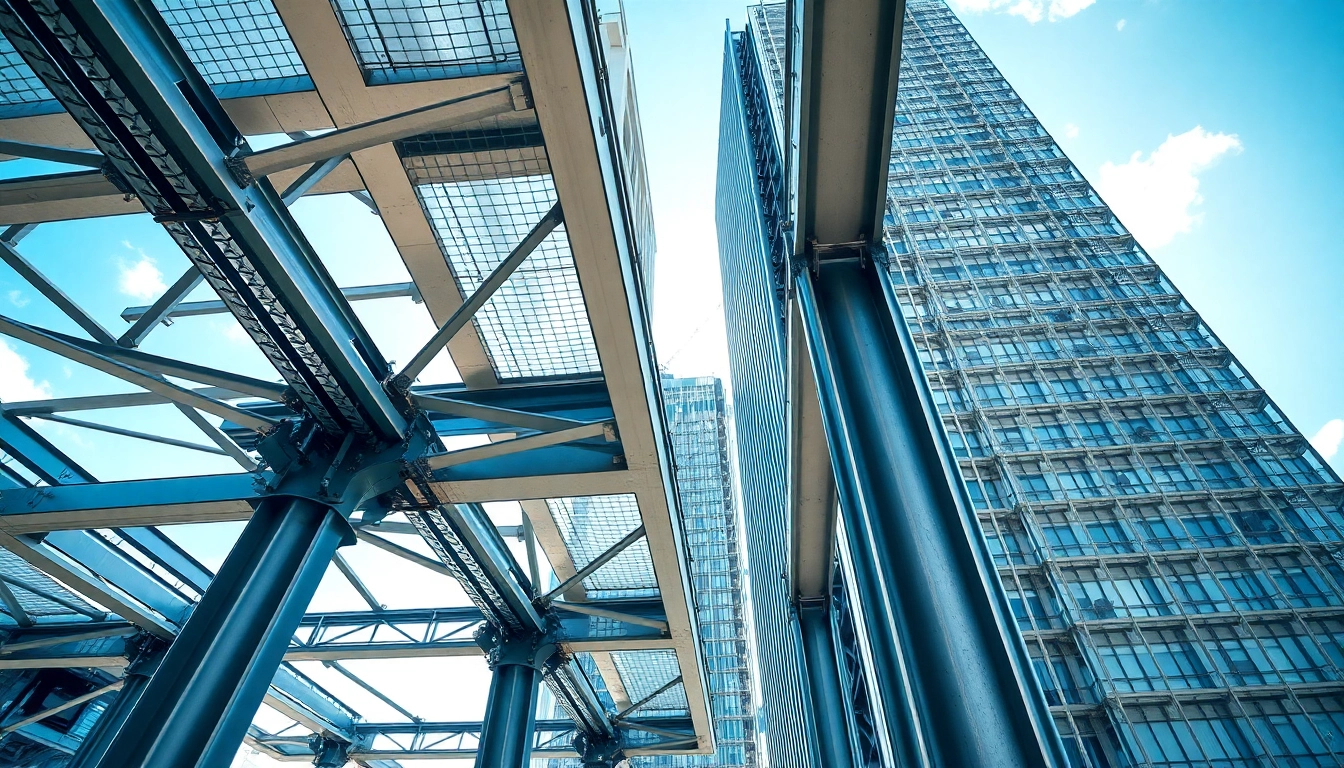
Steel structures are prevalent in a multitude of applications across various sectors. From commercial buildings and bridges to residential homes and industrial facilities, the versatility, durability, and strength of steel make it an ideal material for numerous construction projects. Some common applications include:
- Commercial Buildings: Steel frameworks are commonly used in high-rises, retail spaces, and office buildings due to their ability to support large spans without columns.
- Bridges: Steel's tensile properties make it suitable for bridge construction, allowing for long stretches without support, thereby creating beautiful vistas.
- Industrial Facilities: Steel structures are integral in factories and warehouses, providing a robust solution for heavy machinery and equipment.
- Residential Homes: Increasingly, steel is being used in residential design for its strength combined with aesthetic appeal, especially in modern architectural styles.
Design Methodologies for Steel Structures
Common Approaches in Steel Structure Design
There are several design methodologies employed in steel structure design, depending on factors such as the building’s purpose, load requirements, and overall architectural vision. The most commonly used approaches include:
- Limit State Design: This methodology ensures that structures can withstand both service loads and ultimate loads, optimizing safety without overdesigning.
- Load and Resistance Factor Design (LRFD): It uses a set of factors that increase the loads and decrease the resistance, ensuring a balanced safety approach.
- Allowable Stress Design (ASD): This older approach focuses on limiting stresses in materials to levels that are safe, depending on material properties and loading conditions.
Comparative Analysis of Design Methods
Each design methodology carries its own advantages and applications. For instance, LRFD is often favored in modern projects for its reliability and connection with real-world load behavior, while ASD may still be adopted in specific regions or traditional applications. An understanding of these methodologies allows designers to choose paths that best fit the project requirements, regulatory frameworks, and fabrication capabilities.
Choosing the Right Method for Your Project
When selecting a design methodology, consider factors like project scope, complexity, budget, and regulatory compliance. Engaging with qualified engineers experienced in various methodologies will help ensure that all aspects of the project are effectively aligned with the chosen design method. Furthermore, incorporating advanced software tools can streamline this decision-making process, allowing for accurate simulations and assessments that illustrate how various methods perform under specific conditions.
Components of Effective Steel Structure Design
Essential Materials and Their Properties
The selection of materials is critical in steel structure design. Structural steel has unique properties—such as high tensile strength, ductility, and durability—that make it ideal for construction. Understanding material properties, including yield strength and modulus of elasticity, is essential for design considerations.
Additionally, the type of steel (e.g., carbon steel, alloy steel) and various treatments (e.g., galvanization to prevent corrosion) should be selected based on the project’s environmental conditions and structural demands. A thorough understanding of material properties ensures that the final design meets safety and performance objectives effectively.
Load Calculations in Steel Structures
Load calculations are vital to the design process, as they provide insight into the stresses and strains that steel structures will experience over their lifespan. Properly analyzing static loads (such as weight and equipment) and dynamic loads (like wind or seismic activity) will ensure that the structure is robust and safe.
Designers typically employ various calculations and simulations to determine how loads will be distributed across structural components. Tools such as finite element analysis (FEA) can facilitate these processes, allowing for more accurate predictions that help shape effective steel structure designs.
Connection Design Best Practices
Connections in steel structures—where beams meet columns, or different structural elements join—are critical for overall structural integrity. Poorly designed connections can result in unexpected failures and safety hazards, making connection design a focal point in steel structure design.
Effective connection design practices involve selecting the appropriate type of connection (e.g., welded, bolted), ensuring proper material compatibility, and considering possible movement and loading scenarios. Establishing connections that facilitate ease of fabrication while ensuring strength and durability is essential for maintaining the integrity of the entire structure.
Sustainability in Steel Structure Design
Eco-friendly Materials and Techniques
Sustainable design practices in steel structure development are growing in importance as environmental consciousness increases. Utilizing recycled steel, which has a lower carbon footprint than newly produced steel, is one prominent method. Additionally, exploring greener alternatives for coatings and treatments can significantly reduce environmental impact.
Implementing designs that maximize energy efficiency—such as optimizing natural light and ventilation—can contribute to making buildings more sustainable. Sustainability should be a key element in the decision-making process at every design stage.
Reducing Carbon Footprint in Steel Construction
Efforts to reduce the carbon footprint associated with steel construction can be supported through techniques such as using lower-emission manufacturing processes and prioritizing local sourcing of materials to minimize transportation emissions. Moreover, integrating renewable energy systems, like solar panels, into the design can further enhance the sustainability of a project.
Future Trends in Sustainable Design
The future of steel structure design is progressively leaning towards innovative solutions that embrace sustainability. Advanced modeling software is increasingly helping architects and engineers simulate and analyze sustainability metrics throughout the design process. Furthermore, the trend for adopting circular economy principles—promoting reuse and recycling—will lead the charge towards more responsible construction practices in the years to come.
Challenges in Steel Structure Design
Overcoming Common Design Challenges
Designing steel structures presents numerous challenges, such as compliance with evolving codes and standards or limitations imposed by site conditions. Engaging with experienced structural engineers can significantly alleviate these challenges, as they can provide insights on best practices and strategic solutions tailored to specific projects.
Another common challenge is managing design phases efficiently. Delays can result in increased costs and extended timelines. Effective project management techniques and strong communication among all team members are crucial to maintaining momentum throughout the design and construction phases.
Case Studies of Successful Steel Structures
Learning from examples of successful steel structure designs offers valuable insights into best practices and innovative solutions. Case studies often highlight how unique challenges were overcome, showcasing the creative problem-solving skills of project teams that can serve as inspiration in future projects. These success stories underscore the importance of stringent quality control, precise adherence to design methodologies, and collaboration among all parties involved.
Performance Metrics for Steel Structures
Performance metrics are essential for assessing the effectiveness and safety of steel structures. Common metrics include load capacity, deflection limits, and overall durability against environmental factors. Regular inspections and maintenance play a critical role in ensuring that the structure continues to meet performance expectations long after construction is complete.
FAQs
What are the main components of a steel structure?
A steel structure primarily consists of beams, columns, and connections that work together to support loads and provide stability.
How do I calculate loads in steel structure design?
Load calculations involve analyzing static and dynamic forces, considering factors like weight, wind, and seismic activity to ensure safety.
What are the key principles of steel structure design?
Fundamental principles include strength to withstand loads, stiffness to resist deformation, and stability to maintain shape and position.
What methods are commonly used for designing steel structures?
Design methods include simple, continuous, and semi-continuous, each suiting specific project needs and structural requirements.
How can sustainability be integrated into steel structure design?
Integrating sustainability involves selecting eco-friendly materials, optimizing resources, and planning for energy efficiency throughout the structure's lifecycle.