Introduction to Structural Steel Welding
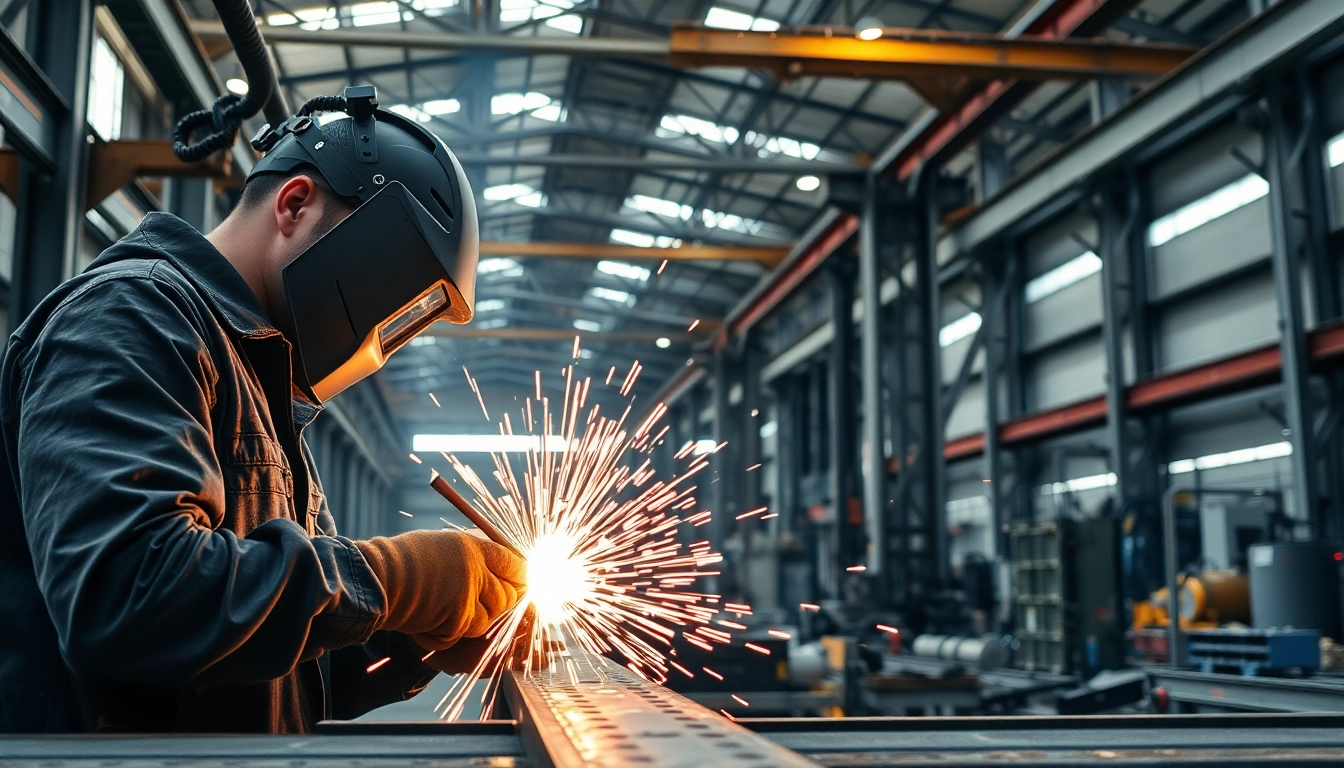
Structural steel welding is a vital process in the construction and manufacturing industries, forming the backbone of robust structural designs. It encompasses various techniques that contribute to the integrity and longevity of steel structures. Understanding structural steel welding begins with grasping its core principles and applications, which will be explored in this article.
Understanding Structural Steel Welding
Welding is a process that joins materials, primarily metals or thermoplastics, by using high heat to melt the parts together and allow them to cool, forming a strong bond. Structural steel welding specifically refers to the welding practices that are applied to steel components used in construction, such as beams, columns, and girders. This process can vary based on the types of steel used, the environmental conditions, and the specifications dictated by structural engineering.
Common Applications of Structural Steel Welding
Structural steel welding finds its applications across various sectors, most notably:
- Construction: Used in building frames, bridges, and other infrastructural projects.
- Manufacturing: Integral in creating machinery and equipment.
- Shipbuilding: Essential for the construction and repair of ships and vessels.
- Aerospace: Provides reinforcement in aircraft assemblies.
- Automotive: Utilized in producing frames and structural components of vehicles.
Key Benefits of High-Quality Welding
The significance of high-quality welding cannot be overstated. It ensures:
- Safety: Minimizes the risk of structural failures.
- Durability: Increases the lifespan of welded structures.
- Cost Efficiency: Reduces the need for expensive repairs and replacements.
- Performance: Maintains structural integrity under various loads and conditions.
Essential Tools and Equipment for Structural Steel Welding
Having the right tools and equipment is critical for efficient and safe structural steel welding. Below, we explore the essential tools every welder should consider.
Welding Machines: Types and Selection
Welding machines vary widely in type and purpose, and selecting the right machine is imperative for optimal results:
- MIG Welders: Metal Inert Gas welders are versatile and suitable for numerous materials.
- TIG Welders: Tungsten Inert Gas welders create cleaner welds and are ideal for thin materials.
- Stick Welders: Shielded Metal Arc Welding is cost-effective and excellent for outdoor work.
- Multi-Process Welders: These can perform various welding types, offering flexibility for diverse projects.
Safety Gear: Protecting the Welder
Safety is paramount in welding. Essential safety gear includes:
- Welding Helmet: Protects eyes and face from harmful UV rays and sparks.
- Gloves: Thick gloves shield hands from heat and burns.
- Apron: A leather apron prevents sparks from igniting clothing.
- Shoes: Steel-toed boots protect against heavy falling objects.
Maintenance of Tools and Equipment
Regular maintenance of welding tools is essential for ensuring efficiency and safety:
- Cleaning: Remove spatter and debris after each use.
- Inspecting: Regularly check for wear or damage to components.
- Calibration: Ensure machines are calibrated for optimal performance.
- Storage: Store equipment in dry, clean environments to prevent rust and damage.
Techniques and Methods in Structural Steel Welding
Understanding various welding techniques is essential for achieving strong, reliable joints in steel structures. Here are some of the most common methods.
Arc Welding: A Comprehensive Overview
Arc welding employs electricity to generate heat, allowing for effective welding of steel components. There are several types of arc welding, including:
- SMAW (Shielded Metal Arc Welding): Uses a consumable electrode to create the weld.
- GTAW (Gas Tungsten Arc Welding): Involves a non-consumable electrode and is advantageous for high-strength applications.
- GMAW (Gas Metal Arc Welding): Combines a continuous wire feed with shielding gas for faster operations.
MIG and TIG Welding: Key Differences
While both MIG and TIG are popular techniques, they differ significantly:
- MIG Welding: Faster and easier to learn; best for thicker metals and less precision.
- TIG Welding: Requires more skill; offers greater control and is ideal for thin sections and complex joints.
Advanced Techniques for Complex Joints
Advanced welding techniques enhance the ability to create complex joints, necessary for intricate designs:
- Variable Polarity: Switching current types for better fusion.
- Multi-pass Welding: Essential for thicker materials requiring multiple welding passes to achieve full strength.
- Butterfly Joints: Used in architectural design to create open spaces.
Safety Practices in Structural Steel Welding
A robust safety culture is crucial for any welding operation. Here, we delve into best practices that protect welders and the integrity of their work.
Understanding Hazards and Risks
Welders face numerous hazards including:
- Fumes and Gases: Harmful fumes can lead to respiratory issues.
- Noise: Continuous high noise levels can cause hearing impairments.
- Heat and Fire: High temperatures and sparks can ignite nearby materials.
- Electrical Shock: Requires strict adherence to electrical safety protocols.
Implementing Safety Protocols
To mitigate risks, implement comprehensive safety protocols:
- Workplace Organization: Keep work areas clean and free of clutter.
- Regular Training: Ensure staff are knowledgeable about safety practices.
- Emergency Preparedness: Equip workspaces with fire extinguishers and first aid kits.
Training for Safe Welding Practices
Robust training programs are essential for creating a culture of safety:
- Hands-On Training: Combine theory with practice to enhance skill levels.
- Regular Safety Meetings: Discuss new risks and reinforce existing protocols.
- Certification Programs: Encourage welders to undergo formal certification for skill recognition.
Future Trends in Structural Steel Welding
As technology evolves, so does the landscape of structural steel welding. Staying informed about future trends is essential for professionals in the industry.
Innovations in Welding Technology
Numerous innovations are shaping the future of welding:
- Laser Welding: Offers precision and speed for complex geometries.
- 3D Printing: Combining welding methods with additive manufacturing for unique applications.
- Smart Welding: Incorporates AI for real-time monitoring and adjustments during the welding process.
Sustainability Considerations in Welding
As industries focus on sustainability, welding practices are adapting by adopting greener technologies:
- Energy-Efficient Equipment: Utilizes machines that consume less energy.
- Recyclable Materials: Ongoing efforts to use materials that can be easily recycled.
- Emission Control: Implementation of fume extraction systems to minimize environmental impact.
The Role of Automation and Robotics
Automation is revolutionizing welding practices by enhancing efficiency:
- Robotic Welding: Provides precision and reduces the likelihood of human error.
- Advanced Software: Improves workflow through planning and monitoring welds.
- Pre-Programmed Techniques: Allows for repeatability and reduces training time for new welders.
Frequently Asked Questions
What is structural steel welding?
Structural steel welding is the process of joining steel components using various welding techniques. It is crucial for creating strong, stable structures in construction and manufacturing.
What are the main types of welding methods?
The primary welding methods include MIG, TIG, Stick, and Arc Welding. Each method has unique advantages based on the materials and applications.
How can I ensure welding safety?
To ensure safety, always use protective gear, maintain a clean workspace, and participate in regular safety training. Awareness of hazards is essential.
What tools do I need for structural steel welding?
Essential tools include welding machines (MIG, TIG, or Stick), safety gear (helmets, gloves), and maintenance tools for keeping equipment in top condition.
What trends are influencing the future of welding?
Key trends include automation and robotics, innovations like laser welding and 3D printing, and growing sustainability measures to reduce environmental impact.