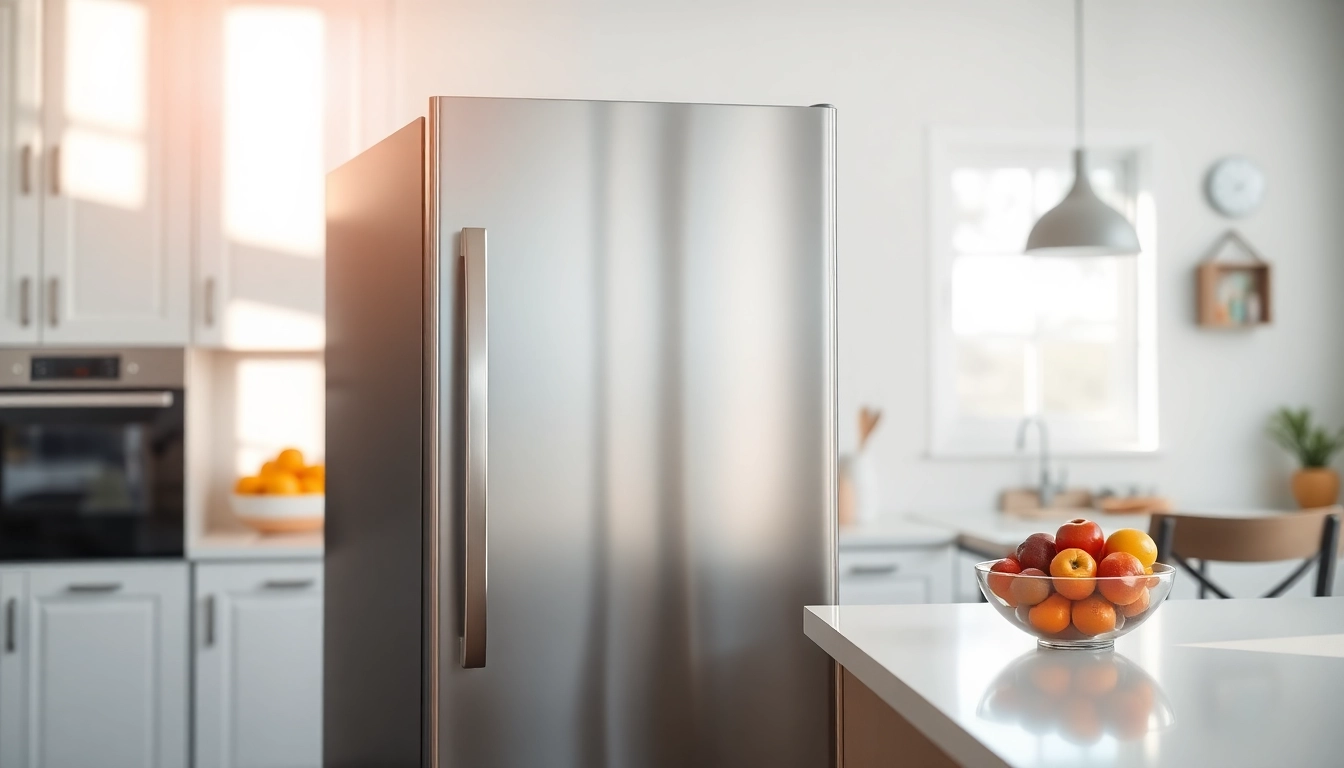
1. Understanding Different Types of Refrigerators
When it comes to choosing a Refrigerator, understanding the various types available is essential. Each type offers unique features, layouts, and efficiencies that cater to different needs and kitchen designs. This section explores the primary refrigerator types to help you make an informed decision.
1.1 Top Freezer Refrigerator
The top freezer refrigerator is one of the most traditional styles available in the market today. Characterized by a freezer compartment located above the main refrigerator section, this model is popular due to its simplicity and affordability.
Key Features:
- Space Efficiency: Often designed with a smaller footprint, making them ideal for compact spaces.
- Accessibility: The top freezer style is great for those who frequently use frozen goods, as the freezer is easy to access.
- Cost-Effectiveness: Generally, these units are less expensive compared to other styles, making them a budget-friendly option.
However, users may find that the bending to reach lower shelves can be cumbersome, especially for those with back issues.
1.2 Bottom Freezer Refrigerator
The bottom freezer refrigerator is a modern alternative to the traditional design. This style features the freezer compartment located at the bottom, while the refrigerator section is at eye level.
Key Features:
- Easy Access: Having the refrigerator section at eye level makes accessing frequently used items much easier.
- Organizational Flexibility: Many bottom freezer models come with pull-out drawers and shelves that simplify organization.
- Energy Efficiency: Generally, these models are designed to minimize energy consumption, benefiting the environment and your wallet.
These refrigerators also can be more expensive than their top freezer counterparts but offer enhanced convenience for daily use.
1.3 Side-by-Side Refrigerator
Side-by-side refrigerators feature a unique design with the refrigerator and freezer compartments placed next to each other. This style often fits well in narrower kitchen spaces.
Key Features:
- Space Saver: Ideal for kitchens with limited width, as they open out to the side.
- Ease of Access: Both refrigerated and frozen items are easy to access without bending or squatting.
- Advanced Features: Many side-by-side models include advanced technology like ice and water dispensers right in the door.
One downside could be the lesser capacity for frozen storage compared to the other types, which can be a limitation for bigger families or bulk shoppers.
2. Key Features to Consider When Choosing a Refrigerator
Choosing the right refrigerator goes beyond just aesthetics; it's all about maximizing efficiency, functionality, and convenience. Below are some crucial features you should consider:
2.1 Energy Efficiency Ratings
Energy efficiency is one of the most critical factors when selecting a Refrigerator. Refrigerators account for a significant portion of household energy consumption. Therefore, understanding energy efficiency ratings can lead to substantial savings.
Look for ENERGY STAR certified appliances, which indicate that they meet strict efficiency guidelines set by the U.S. Environmental Protection Agency.
Benefits of Energy-Efficient Refrigerators:
- Lower energy bills.
- Reduced environmental impact.
- Possible tax incentives for purchasing energy-efficient models.
2.2 Capacity and Size
Choosing the right size of refrigerator depends on your family size and kitchen space. Refrigerators are available in various capacities, generally measured in cubic feet. A popular range is between 18 to 30 cubic feet, suitable for most households.
When selecting the size, consider the following:
- Family Size: A larger family may require more space for groceries, while singles or couples may manage with a smaller unit.
- Kitchen Layout: Consider the space available in your kitchen, ensuring that the refrigerator fits without obstructing pathways.
Additionally, be mindful of the interior layout. Configurations with adjustable shelves or specialized compartments can enhance your storage options.
2.3 Smart Technology Options
Modern refrigerators are being equipped with smart technology that can enhance usability and convenience. Smart refrigerators often come with features like touchscreen displays, Wi-Fi connectivity, and compatibility with virtual assistants.
Key Benefits:
- Remote Monitoring: Keep an eye on the contents of your refrigerator from anywhere through your smartphone.
- Automated Inventory Management: Some models help manage your groceries by tracking expiration dates and notifying you when you're running low on essentials.
- Enhanced Energy Management: Smart features can alert you to energy consumption patterns, helping optimize overall efficiency.
While smart technology can be an added expense, for tech-savvy users, the convenience and efficiency may justify the price.
3. Installation and Maintenance Tips for Your Refrigerator
Proper installation and ongoing maintenance are essential in ensuring your refrigerator operates efficiently. Here are some practical tips to consider:
3.1 Proper Placement and Ventilation
The placement of your refrigerator is crucial to its performance. Ensure that there is proper clearance around the appliance for ventilation.
Key Placement Tips:
- Maintain at least 2 inches of space on the back and sides for airflow.
- Position away from heat sources such as ovens or direct sunlight.
- Ensure the refrigerator is level for optimal door sealing and energy efficiency.
3.2 Regular Cleaning Routines
Regular cleaning not only helps to maintain hygiene but also enhances the performance and longevity of your refrigerator.
Cleaning Tips:
- Clean the coils at least twice a year to remove dust and debris, which can affect efficiency.
- Wipe down the interior with a mild cleaner to prevent build-up.
- Check and replace door seals if they appear cracked or damaged to ensure an airtight seal.
3.3 Troubleshooting Common Issues
Understanding common refrigerator issues can save time and expense. Here are a few frequent problems and their solutions:
- Not Cooling: Ensure it's plugged in and that the thermostat is set correctly. Check for any blockages in air vents.
- Excessive Noise: Make sure the refrigerator is level. Noisy operation may also indicate that the fan or compressor needs servicing.
- Water Leaks: Check the door seals for integrity; cracked seals can cause condensation and leaks.
4. Creative Ways to Organize Your Refrigerator
Keeping your refrigerator organized can maximize storage space, reduce waste, and ensure easy access to ingredients. Here are some practical tips:
4.1 Maximizing Shelf Space
Utilizing vertical space is key in refrigerator organization. Stackable bins and tiered shelves can help make the most of limited space.
Tips for Maximizing Shelf Space:
- Group similar items together.
- Use the top shelves for drinks and smaller items, leaving lower shelves for larger items.
4.2 Using Bins and Containers
Bins and containers can minimize clutter and facilitate better organization. By grouping items into bins, you can streamline access and reduce the risk of food spoilage.
Organization Ideas:
- Label bins for easy identification.
- Clear containers can help see contents without opening.
4.3 Keeping Ingredients Fresh Longer
Fresh ingredients not only elevate meals but can also cut down on waste. Here are some tips to prolong freshness:
- Store produce in the crisper drawer with the correct humidity settings.
- Use airtight containers for leftovers to minimize spoilage.
5. Frequently Asked Questions about Refrigerators
5.1 What size Refrigerator do I need for my family?
The ideal refrigerator size typically varies by family size. A good rule of thumb is 4-6 cubic feet per person in the household.
5.2 How can I make my Refrigerator more energy efficient?
To enhance energy efficiency, keep the coils clean, ensure the seals are tight, and set the temperature between 35°F to 38°F.
5.3 What are common Refrigerator maintenance tips?
Common tips include cleaning the coils regularly, checking door seals for wear, and defrosting if needed to maintain efficiency.
5.4 How long can I expect my Refrigerator to last?
Typically, a refrigerator can last between 10 to 20 years with proper maintenance. Regular servicing can extend its lifespan.
5.5 What features should I prioritize in a Refrigerator?
Prioritize energy efficiency, size, storage options, and any desired smart technology features that enhance usability.