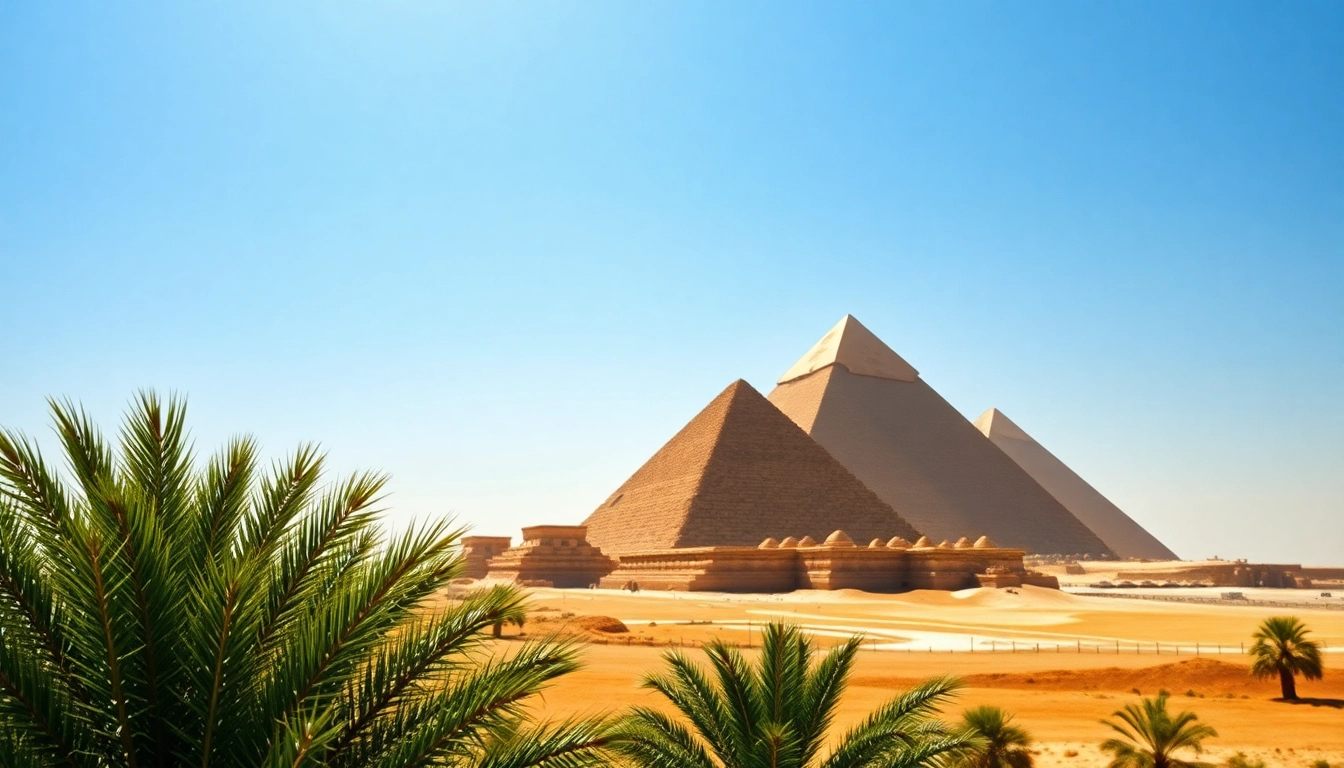
Understanding the Historical Significance of Pyramids
The pyramids, most notably the Egyptian pyramids, have captivated imaginations and inspired awe for centuries. Not only are they magnificent structures representing the pinnacle of ancient Egyptian architecture, but they also hold deep cultural significance reflecting the civilization’s beliefs, practices, and societal structure. piraminds delve into the ancient world while shedding light on the human fascination with the afterlife.
Origins of the Pyramids
The origins of pyramids can be traced back to the ancient Egyptian civilization around 3000 BCE. Early structures evolved from simple mastabas, flat-roofed rectangular tombs, which were increasingly altered over time to reach the iconic triangular shapes known today. The Step Pyramid of Djoser, built during the Third Dynasty, is often credited as the first pyramid. Architect Imhotep's innovative design not only laid the groundwork for subsequent pyramids but also showcased advanced engineering concepts of the time.
Pyramids as Tombs: Cultural Meaning
The pyramids served primarily as monumental tombs for pharaohs, intended to facilitate their journey to the afterlife. The ancient Egyptians believed that preserving the body and providing a complex of grave goods was essential for a successful transition into eternity. This belief system underpinned the tremendous effort that went into building these colossal structures, embodying both spirituality and the socio-political power of the ruling class.
Architectural Innovations Used
Pyramid construction reflected architectural ingenuity. Engineers employed sophisticated techniques, such as precise alignment with celestial bodies and the utilization of ramps for transporting massive stones. The Great Pyramid at Giza, built for Pharaoh Khufu, used about 2.3 million limestone blocks, highlighting the advanced understanding of geology and materials. The remarkable geometry of pyramids also demonstrates a high level of mathematics, showcasing how these ancient builders achieved a remarkable balance between aesthetics and functionality.
Building Techniques Behind the Pyramids
Materials Utilized in Construction
The materials for pyramids were carefully selected for both durability and symbolism. Limestone, granite, and basalt were frequently utilized, with each material serving distinct purposes. Limestone was often used for the core to provide structural integrity, while finer, white Tura limestone was often utilized for the casing stones to give the pyramids a brilliant shine under the sun, intended to symbolize light and divinity.
Workforce and Labor Organization
The construction of pyramids required massive labor forces, which were organized meticulously. Contrary to popular belief, these workers were not slaves but rather skilled laborers who were often well-fed and paid for their work. It is estimated that a pyramid construction project could involve tens of thousands of workers, including architects, masons, and laborers, all contributing to this monumental endeavor.
Engineering Challenges and Solutions
Building pyramids presented numerous engineering challenges, such as the need for stability and precision alignment. One of the main issues was positioning heavy stone blocks at high elevations. Engineers devised various methods, including lever systems, counterweights, and ramps. Furthermore, the internal chambers required sophisticated architectural design to support the weight of the stones above them, ensuring the structural integrity of the buildings.
Pyramids in Modern Culture and Tourism
Pyramids as Iconic Symbols
In modern times, pyramids have transitioned from mere ancient relics to iconic symbols of human achievement. They represent the ingenuity and sophistication of ancient civilizations, often serving as a point of reference in popular culture, from literature to films. Such representations kindle public interest and curiosity about ancient Egypt and its mysteries.
Impact on Local Economy
Pyramids significantly influence the local economy, chiefly through tourism. Millions flock to Egypt annually to witness these majestic giants, creating jobs and generating revenue. Local businesses thrive on catering to tourists, offering tours, hospitality, and dining services. The economy thus becomes intertwined with the preservation and celebration of these historical structures.
Tourist Experiences at the Pyramids
Visiting the pyramids offers unique experiences that blend education and awe. Guided tours often provide insights into the construction techniques, cultural significance, and historical context of the pyramids. Additionally, experiences such as camel rides or the chance to explore the interiors of smaller pyramids add to the adventure, making it a memorable journey for many.
Scientific Discoveries Related to Pyramids
Recent Archaeological Findings
Advancements in archaeology have unveiled new insights about pyramids. Recent findings include hidden chambers, which offer clues to the construction processes and burial practices of the time. Utilizing non-invasive technologies such as ground-penetrating radar has allowed researchers to scan the pyramids without damaging them, revealing a wealth of information about their internal structures.
Technology in Pyramid Research
The intersection of technology and archaeology has revolutionized our understanding of the pyramids. Imaging techniques and computational modeling have enabled scholars to reconstruct construction methods and allow for better preservation of the structures that have stood for millennia. These modern tools are crucial in ongoing research endeavors aimed at deciphering the mysteries surrounding these ancient edifices.
Debunking Myths and Misconceptions
Numerous myths surround the construction and purpose of the pyramids. For instance, the idea that aliens assisted in their construction has gained traction but lacks credible evidence. Scholarly research and logical reasoning indicate that the ancient Egyptians’ innovative engineering and social organization were sufficient for these endeavors. By debunking such myths, we preserve the true legacy of ancient Egyptian civilization.
Future of the Pyramids: Preservation and Research
Conservation Efforts for Pyramids
Preservation of pyramids is crucial to maintaining their historical and cultural significance. Conservation efforts must address issues like erosion, tourism wear, and pollution. International collaborations aim to implement effective preservation strategies that employ traditional techniques alongside modern technology to safeguard these ancient wonders for future generations.
Role of Technology in Preservation
Technology has become an essential ally in preserving historical monuments. Drones and 3D modeling assist in monitoring the structural integrity of the pyramids and in understanding the details of their construction. These innovations enable more effective resource allocation for conservation initiatives while aiding in educational outreach to raise awareness about the significance of these sites.
Future Research Directions and Questions
The future of pyramid research is bright, as many unanswered questions remain. Scholars are investigating various aspects, such as the socio-economic impacts of pyramid construction on ancient Egyptian society and the role of pyramids in the broader cultural context. As technology advances, new methodologies emerge for exploring these questions, promising deeper insights into one of humanity's greatest architectural feats.
Frequently Asked Questions
What was the primary purpose of the pyramids in ancient Egypt?
The primary purpose of the pyramids was to serve as monumental tombs for pharaohs, facilitating their journey to the afterlife and ensuring their legacy.
How were the pyramids built without modern technology?
Ancient Egyptians utilized simple machines, a highly organized workforce, and innovative engineering solutions to build the pyramids, showcasing their advanced skills in construction.
What materials were used to construct the pyramids?
Pyramids were constructed using various materials, including limestone, granite, and basalt, chosen for their durability and symbolism.
How do pyramids affect modern tourism in Egypt?
Pyramids significantly boost Egypt's economy by attracting millions of tourists annually, which supports local businesses and employment opportunities in the region.
Are there any new discoveries related to the pyramids?
Yes, recent archaeological findings include uncovering hidden chambers and using non-invasive technology to explore their structure, leading to new insights about their construction and use.