
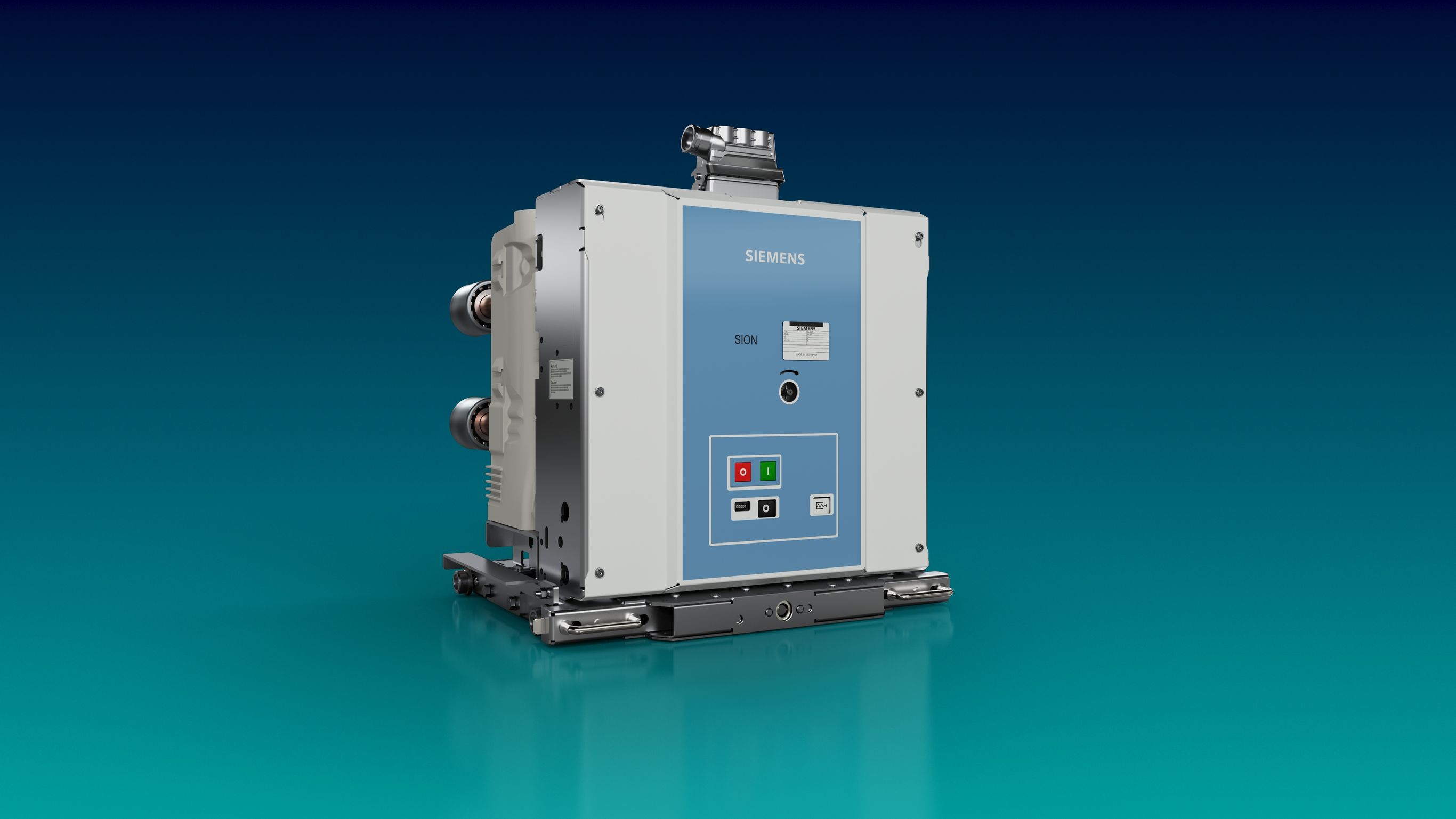
Introduction to Vacuum Circuit Breaker Design
A vacuum circuit breaker is a critical component in modern electrical systems, providing reliable protection against faults, overcurrents, and electrical arcing. A well-designed vacuum circuit breaker ensures fast arc extinction, high dielectric strength, and long-term operational reliability. Engineers emphasize that a high-quality vacuum circuit breaker must integrate safety, efficiency, and durability. The vacuum circuit breaker operates by separating contacts within a vacuum, rapidly quenching arcs and minimizing equipment damage. Modern vacuum circuit breakers also include monitoring and control systems to enhance operational safety and system longevity. The vacuum circuit breaker must meet strict electrical and mechanical standards to perform reliably under demanding conditions. Optimal design ensures the Vacuum circuit breaker is compact, environmentally friendly, and capable of handling high fault currents. Properly designed vacuum circuit breakers reduce maintenance, increase lifespan, and protect both personnel and equipment. Selecting a vacuum circuit breaker with superior design features is crucial for industrial plants, commercial buildings, and utility networks.
Key Elements of a Good Vacuum Circuit Breaker Design
Arc Quenching Mechanism
The most important feature of a vacuum circuit breaker is its ability to extinguish arcs quickly and safely. The vacuum interrupter ensures that when contacts separate, the arc is confined within the vacuum and rapidly de-ionized. This prevents sustained arcing and protects connected equipment. Engineers recommend designs that optimize arc path geometry to ensure effective quenching in every operation. A vacuum circuit breaker with a well-designed arc quenching mechanism minimizes heat generation and reduces the risk of contact damage.
Contact Materials and Durability
High-quality contacts are essential for the reliable operation of a vacuum circuit breaker. Contacts must resist erosion and withstand high fault currents without deformation. Copper-chromium and silver-cadmium alloys are commonly used due to their excellent conductivity and durability. The vacuum circuit breaker design should ensure uniform contact pressure and optimal alignment to maintain consistent performance over thousands of operations.
Operating Mechanism Efficiency
The operating mechanism of a vacuum circuit breaker determines the speed and reliability of opening and closing contacts. Spring-operated, motor-operated, or manual mechanisms are used, depending on the application. A good vacuum circuit breaker design ensures that the operating mechanism can perform rapid contact separation and closing under fault conditions, maintaining high safety and reliability standards.
Insulation and Dielectric Strength
The insulation system of a vacuum circuit breaker is critical for preventing flashovers and maintaining system stability. Properly designed insulation ensures the vacuum circuit breaker can withstand voltage surges, switching transients, and environmental stresses. The dielectric strength of the vacuum interrupter also prevents re-strikes after arc extinction, enhancing operational safety and reliability.
Compact and Modular Design
Modern vacuum circuit breakers are designed to be compact and modular, allowing easy installation in confined spaces and integration into switchgear systems. A good vacuum circuit breaker design reduces footprint without compromising performance. Modular designs enable easy replacement or upgrading of individual components, improving maintainability and lifecycle performance.
Monitoring and Control Features
Advanced vacuum circuit breakers include auxiliary contacts, remote control, and monitoring capabilities. These features allow real-time tracking of operational status, fault occurrences, and maintenance needs. Engineers value vacuum circuit breakers with integrated control systems because they provide predictive maintenance capabilities and enhance system reliability.
Environmental and Safety Considerations
A well-designed vacuum circuit breaker operates without oil or SF6 gas, making it environmentally friendly. Safety interlocks, mechanical and electrical protections, and clear operational indicators are integral to the design of a reliable vacuum circuit breaker. These features ensure personnel safety and compliance with industry regulations.
Benefits of a Good Vacuum Circuit Breaker Design
1. Enhanced Safety
A properly designed vacuum circuit breaker provides fast arc extinction, reliable insulation, and protective interlocks, ensuring safe operation for both personnel and equipment.
2. Reduced Maintenance
High-quality materials and robust mechanisms reduce wear and tear, minimizing maintenance requirements for the vacuum circuit breaker.
3. Long Operational Life
Durable contacts, efficient arc quenching, and reliable operating mechanisms extend the service life of the vacuum circuit breaker, reducing the need for frequent replacements.
4. System Reliability
A good vacuum circuit breaker design maintains system stability under fault conditions and ensures uninterrupted operation of industrial and utility networks.
5. Environmental Sustainability
Operating without harmful gases or liquids, the vacuum circuit breaker is eco-friendly and suitable for environmentally conscious installations.
Why Choose Us for Vacuum Circuit Breaker Solutions
At Aierway, we specialize in designing and providing high-quality vacuum circuit breakers that meet stringent safety and performance standards.
- Expert Engineering: Our team develops vacuum circuit breakers with optimized arc quenching, durable contacts, and efficient operating mechanisms.
- Quality Assurance: Each vacuum circuit breaker undergoes rigorous electrical and mechanical testing.
- Custom Solutions: We offer vacuum circuit breakers tailored to specific system requirements and operational conditions.
- Eco-Friendly Practices: Our vacuum circuit breakers operate safely without oil or SF6 gas.
- Comprehensive Support: Full installation, maintenance, and technical support ensure maximum performance and reliability of your vacuum circuit breaker.
Conclusion
A good vacuum circuit breaker design combines rapid arc quenching, durable contacts, reliable operating mechanisms, high dielectric strength, compact form factor, and advanced monitoring capabilities. Such a design ensures safety, reliability, long operational life, minimal maintenance, and environmental sustainability. Choosing a high-quality vacuum circuit breaker from Aierway guarantees optimal performance, system protection, and long-term reliability across industrial, commercial, and utility applications.
Frequently Asked Questions (FAQs)
1. What is the most important feature of a vacuum circuit breaker design?The most important feature is rapid arc extinction, which ensures safe interruption of fault currents.
2. Why are contact materials important in a vacuum circuit breaker?Durable and conductive contacts ensure reliable operation under high fault currents and reduce wear over thousands of operations.
3. How does the operating mechanism affect performance?Efficient operating mechanisms enable fast and reliable contact separation, preventing sustained arcs and ensuring safety.
4. Are vacuum circuit breakers environmentally friendly?Yes, well-designed vacuum circuit breakers operate without oil or SF6 gas, making them safe and eco-friendly.
5. Why choose Aierway for vacuum circuit breakers?Aierway provides high-quality vacuum circuit breakers with advanced designs, rigorous testing, customization, and full technical support.