What is a Cannabis Social Club?
Definition and Purpose
A cannabis social club (CSC) represents a community-oriented model that allows individuals to consume and share cannabis legally under regulated frameworks. CSCs function primarily as non-profit organizations that promote the cultivation and consumption of cannabis among their members. By providing a safe and supportive environment, CSCs aim to reduce the stigma associated with cannabis use while prioritizing responsible consumption and legalization efforts.
How Cannabis Social Clubs Operate
Cannabis social clubs typically operate on a cooperative model. Members contribute to the cultivation and management of cannabis, often pooling resources and sharing responsibilities. Each member has an equal stake in the club, allowing for collective decision-making. This model not only promotes community engagement but also helps to control the quality and safety of cannabis products available to members. Access to cannabis may be based on a donation system, where members contribute funds to cover operational costs, including cultivation, maintenance, and events.
History of Cannabis Social Clubs
The concept of cannabis social clubs originated in Spain, gaining popularity in the early 2000s as a response to the criminalization of cannabis users. Spanish law allowed the formation of clubs that operate under a “private use” model, leading to a cooperative approach that echoed other non-profit ventures. Over time, CSCs have been established in various countries across Europe and beyond, serving as a significant aspect of the broader discussion about cannabis legalization and regulation. The evolution of these clubs mirrors changing cultural attitudes towards cannabis, as more regions explore models of legalization.
Membership in Cannabis Social Club
Eligibility Requirements
To join a cannabis social club, prospective members usually need to meet specific eligibility criteria, which can vary by location. Common requirements often include age restrictions (typically 18 or 21 years and older), residency verification, and sometimes sponsorship by an existing member. These criteria help ensure that memberships are limited to responsible individuals who can conform to the club’s regulations and ethical standards.
Process to Join
The joining process for a cannabis social club often involves filling out an application form, where potential members provide personal information and, in some cases, reason for their interest in joining. Clubs may conduct background checks or interviews to foster a sense of community and responsibility among members. After approval, new members can pay any required fees and participate in club activities and benefits.
Membership Benefits and Responsibilities
Membership in a cannabis social club comes with various benefits, including access to exclusive cannabis strains, events, and educational resources. Members typically receive opportunities to learn about cultivation techniques, cannabis laws, and responsible consumption. Alongside these benefits, members also have responsibilities, such as adhering to club rules, participating in activities, and contributing to the cooperative’s growth and maintenance, thereby fostering a supportive community.
Legal Status of Cannabis Social Club
Current Laws and Regulations
The legal status of cannabis social clubs varies dramatically across different regions, shaped largely by local cannabis laws. In some places, CSCs operate legally and are regulated under specific frameworks, highlighting a trend towards legalization and decriminalization. In contrast, other areas still classify them as illegal, complicating the landscape for cannabis users seeking community-oriented approaches to consumption. Understanding the legal context is crucial for anyone interested in participating in a cannabis social club.
Comparative Views from Different Regions
Globally, the perception and regulation of cannabis social clubs differ significantly. For example, in Spain, CSCs are an established part of the cultural and legal landscape, whereas, in the United States, regulations can vary by state, with some allowing for private cannabis clubs while others prohibit them entirely. Similarly, in Canada, legal frameworks continue to evolve, allowing for organizations akin to CSCs but under strictly regulated guidelines. These disparities not only affect users’ access but also influence the overall perception of cannabis within society.
Challenges Facing Legalization
Despite their growing popularity, cannabis social clubs face several hurdles when it comes to legalization. Some of the primary challenges include political opposition, societal stigma surrounding cannabis use, and the lack of a unified legal framework across regions. Additionally, concerns about public health and safety, potential misuse, and the challenge of distinguishing clubs from illegal dispensaries complicate the conversation. Advocates argue that addressing these challenges through education, policy reform, and community engagement is essential for the future of CSCs.
Activities and Events in Cannabis Social Club
Regular Activities Offered
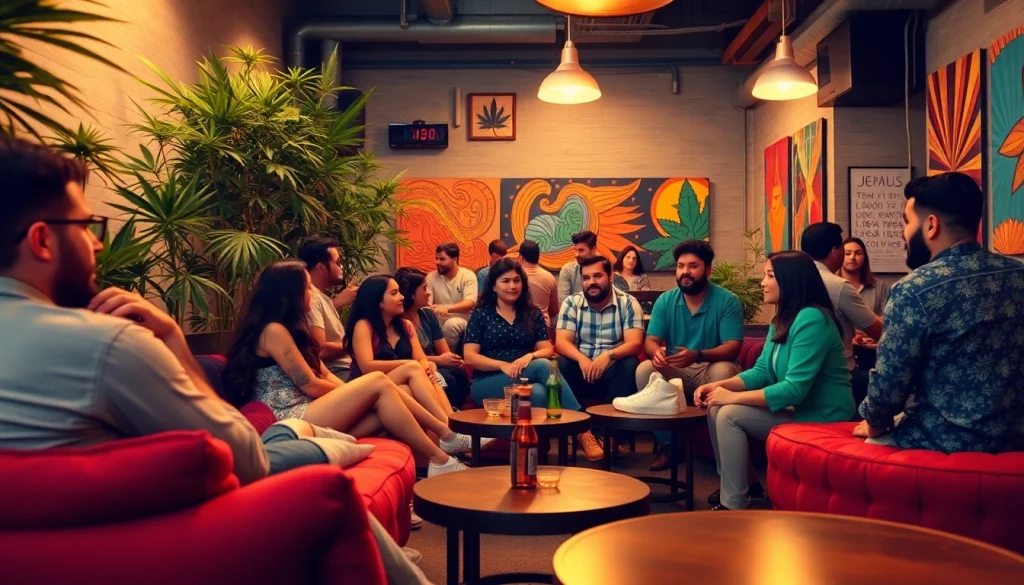
Cannabis social clubs typically offer a range of regular activities that aim to engage members and create a sense of community. These may include cannabis tasting events, cultivation workshops, and discussions about cannabis laws and reform. Social gatherings are common, allowing members to connect and share experiences, thereby fostering camaraderie and mutual support.
Workshops and Educational Programs
Education is a cornerstone of many cannabis social clubs. Workshops on responsible use, the science of cannabis, and cultivation practices are integral to member experience. These programs not only empower members with knowledge but also promote responsible consumption and informed decision-making regarding cannabis use, enhancing the overall community experience.
Special Events and Gatherings
Clubs often host special events, including guest speakers, cannabis culture festivals, and advocacy days that encourage involvement in legislative advocacy. By participating in these gatherings, members can connect not only with each other but also with broader movements aimed at promoting cannabis legalization and acceptance. Such events also offer a platform for members to share their stories and experiences, making them a vital aspect of community building.
Frequently Asked Questions About Cannabis Social Club
Can anyone join a cannabis social club?
Membership eligibility often requires being of legal age, usually 18 or 21, and may include residency verification and sponsorship by an existing member.
Are cannabis social clubs legal in all states?
No, the legality of cannabis social clubs varies by state and country. Some regions allow CSCs under regulated frameworks, while others still consider them illegal.
What activities can members partake in?
Members can participate in workshops, social gatherings, and educational events focused on cannabis cultivation and responsible use, fostering a sense of community.
How does a cannabis social club differ from a dispensary?
Cannabis social clubs operate on a nonprofit, cooperative model where members collectively cultivate and share cannabis, whereas dispensaries focus on retail sales.
Can you purchase cannabis products at a cannabis social club?
Typically, cannabis social clubs do not sell cannabis; instead, they provide access to cannabis that members cultivate together as part of a cooperative effort.