
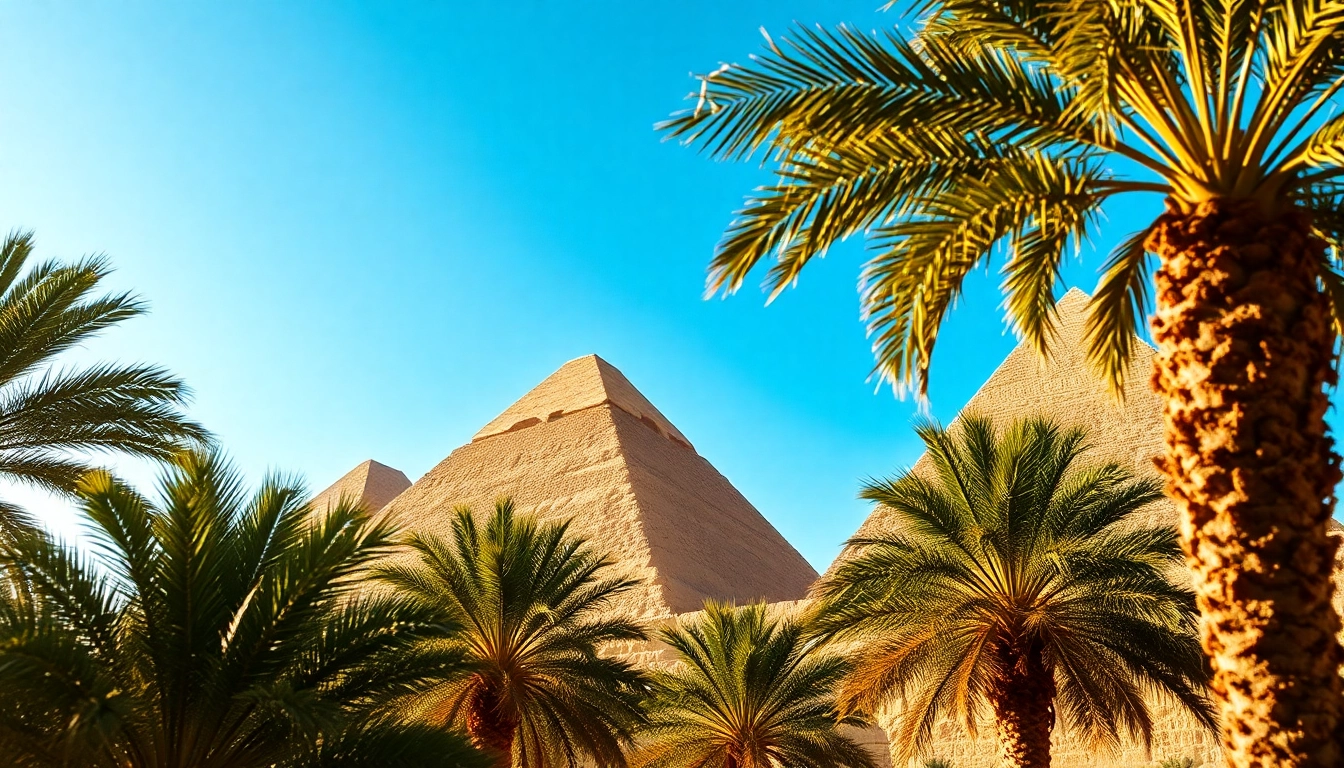

The Significance of the Egyptian Pyramids
Historical Background
The Egyptian pyramids stand as a testament to ancient human ingenuity, reaching back over 4,500 years into the past. They served as monumental tombs for the pharaohs of Egypt, most prominently during the Old and Middle Kingdom eras. With at least 138 identified pyramids scattered across the country, their construction marked an era of remarkable architectural and cultural advancement.
From the earliest step pyramids, such as the Pyramid of Djoser, to the grand structures on the Giza plateau, these edifices were designed not only for burial but as beacons of lasting faith in the afterlife. They encapsulated the aspirations of the Egyptian civilization, representing wealth, power, and divine connection. The pyramids were often part of larger complexes that included temples and mortuary chapels, creating a sacred space aimed at ensuring the safe passage of the deceased to the afterlife. For a deeper understanding of this historical importance, visit https://piraminds.com/.
Architectural Importance
Architecturally, the Egyptian pyramids are a reflection of the sophisticated building techniques developed by the ancient Egyptians. The iconic shape of the pyramid itself symbolizes a staircase to the heavens, suggesting the pharaoh’s ascent to the divine. The Great Pyramid of Khufu, with its original height of 146.6 meters, was the tallest man-made structure for over 3,800 years, showcasing the builders’ expertise in creating enduring monuments. The precision of alignment and the scale of these structures continue to astound historians and archaeologists.
Cultural Symbolism
The cultural significance of the pyramids extends beyond their physical dimensions. They embody deep-rooted beliefs in the afterlife, with the pharaoh viewed as a god on earth. The pyramid’s structure, in its triangular form, represented a ray of sunlight, facilitating the pharaoh’s ascendance to the heavens. This symbolism transcended architecture and permeated various aspects of Egyptian life, art, and mythology, reinforcing the interconnectedness of their cultural beliefs.
Design and Construction Techniques
Materials Used
The materials utilized in pyramid construction were primarily limestone, granite, and local mud bricks. The choice of these materials was influenced by availability and durability; limestone was locally sourced from nearby quarries, while harder stones like granite were transported from Aswan. The outer casing of the pyramids was often made of polished Tura limestone, which originally gleamed in the sunlight, making these structures visible from great distances. The inner chambers, on the other hand, utilized heavier materials to withstand the pressure of the massive stone above.
Pyramid Building Process
The pyramid building process involved meticulous planning and execution. It began with the selection of an appropriate site, often on the west bank of the Nile, symbolically linked to the afterlife. Laborers, which included skilled workers, specialized craftsmen, and seasonal laborers, participated in constructing these monumental tombs. Contrary to the popular narrative of slave labor, evidence suggests that these workers were well-fed and housed. The construction employed a variety of ramps and levers, enabling the transportation and placement of massive stones into position with impressive precision.
Advanced Ancient Engineering
A significant aspect of the pyramids’ construction was advanced engineering techniques that remain impressive even by modern standards. The use of geometric principles, extensive labor coordination, and innovative logistics were crucial. Pyramids were designed not only with aesthetics in mind but also structural integrity to endure geological forces and the test of time. The Great Pyramid demonstrates this engineering brilliance, as its core includes a series of chambers and passageways designed for functionality during the afterlife journey.
Pyramids of Giza: A Closer Look
The Great Pyramid of Khufu
The Great Pyramid, dedicated to Pharaoh Khufu, traditionally referred to as Cheops, represents the pinnacle of pyramid construction. Originally covered in smooth Tura limestone, the structure consists of an estimated 2.3 million blocks of stone. The pyramid’s complex includes the King’s Chamber, the Queen’s Chamber, and a series of passageways that reflect advanced understanding of architecture and cosmology. Its alignment to the cardinal points of the compass adds to its mystique and perfection, capturing the fascination of scholars through the ages.
The Pyramid of Khafre
The Pyramid of Khafre, built for Pharaoh Khafre, Khufu’s son, is distinguishable by its still-visible casing stones at the apex. This pyramid appears taller than Khufu’s due to its elevated position on the Giza plateau. Additionally, it is part of a grander funerary complex that includes the Great Sphinx, which is believed to represent the Pharaoh himself. The design integrates the symbolic power of the Sphinx and the spiritual importance of the pyramids, showcasing a harmonious relationship between architecture and cultural belief.
The Pyramid of Menkaure
The smallest of the three pyramids of Giza is the Pyramid of Menkaure, but it remains significant in its own right. Constructed during the Fourth Dynasty, it exhibits a different construction style, reflecting an evolving architectural approach. Made with limestone and granite, the intricate burial chamber of Menkaure provides insight into the transitional styles of pyramid design. The associated mortuary temple and smaller queens’ pyramids illustrate the shift towards a more complex representation of the afterlife and royal power.
The Role of Pyramids in Egyptian Society
Tombs and Afterlife Beliefs
The primary function of the pyramids was to serve as tombs for the pharaohs, ensuring their safe passage into the afterlife. The Egyptians believed in a spiritual realm where the deceased would live eternally. Thus, the elaborate tombs, equipped with treasures and offerings, were crucial for the dead’s journey. The walls often featured inscriptions that guided the pharaoh through the afterlife, establishing a connection between the material and spiritual worlds that permeated Egyptian beliefs.
Religious Significance
The religious significance of the pyramids is evident in their design and function. They were considered powerful symbols of resurrection and immortality, central themes in ancient Egyptian faith. The layout of the pyramid complexes reflects a journey: the mortuary temples were places of worship for the deified pharaohs, where rituals took place to honor their memory and ensure their intercession with the gods on behalf of the living. This belief system reinforced the societal structure, intertwining religion and governance.
Sociopolitical Influence
The construction of the pyramids served as a demonstration of the pharaoh’s power and the state’s organization. Undertaking such monumental projects required the mobilization of substantial resources and manpower, reflecting the king’s divine right to rule. Furthermore, the pyramids functioned as propaganda tools, presenting the pharaohs as everlasting rulers whose legacy extended beyond their physical existence. Through their monumental presence, they solidified the society’s values and ideals, promoting unity and reverence among the populace.
Modern Exploration and Discoveries
Archaeological Research
Archaeological research continues to uncover the secrets of the pyramids, revealing more about their construction and purpose. Techniques such as ground-penetrating radar and 3D scanning have opened new avenues for understanding internal structures without disturbing the pyramids. Excavations around the Giza plateau have led to significant findings, including the discovery of workers’ villages, which provide insights into the daily lives of those who built the pyramids. Each discovery adds a piece to the historical puzzle of ancient Egypt.
Technological Advancements in Exploration
Technological advancements have revolutionized how researchers study the pyramids. Non-invasive techniques, like drone surveys and photogrammetry, allow for precise mapping and analysis of the structures. Such tools have revealed previously unknown features and provided fresh perspectives on the pyramids’ architectural solutions. This technological leap ensures that scholars can continue to explore and document without compromising these ancient wonders.
Challenges Facing Preservation
Preserving the Egyptian pyramids poses significant challenges, including environmental conditions, urban encroachment, and human activity. The presence of sandstorms and pollution can wear down the limestone surfaces, while infrastructure development around the Giza plateau threatens the integrity of these historic sites. Addressing these issues requires global collaboration, increased funding for conservation efforts, and a commitment to maintaining the legacy of ancient Egypt for future generations.
FAQs about the Egyptian Pyramids
1. What is the purpose of the Egyptian pyramids?
The Egyptian pyramids primarily served as tombs for pharaohs, ensuring their safe passage into the afterlife and symbolizing their divine status.
2. How were the pyramids constructed?
The construction involved massive blocks of stone moved using ramps and levers, coordinated by skilled laborers who were well-fed and housed during the building process.
3. How many pyramids are there in Egypt?
Egypt has at least 138 identified pyramids, with the most famous being those located on the Giza plateau.
4. What materials were used to build the pyramids?
Pyramids were primarily constructed using limestone, granite, and mud bricks, chosen for their durability and local availability.
5. What challenges do modern researchers face in preserving the pyramids?
Challenges include environmental wear, pollution, and urbanization, requiring effective conservation strategies to protect these historical sites.