

Understanding the Colonial Home Build
Colonial architecture embodies a blend of history, tradition, and style that resonates with many homeowners today. The colonial home build allows individuals to immerse themselves in a time-honored aesthetic while enjoying modern comforts. If you are considering embarking on a colonial home build, it is crucial to understand its distinctive characteristics, historical context, and contemporary adaptations.
Characteristics of Colonial Architecture
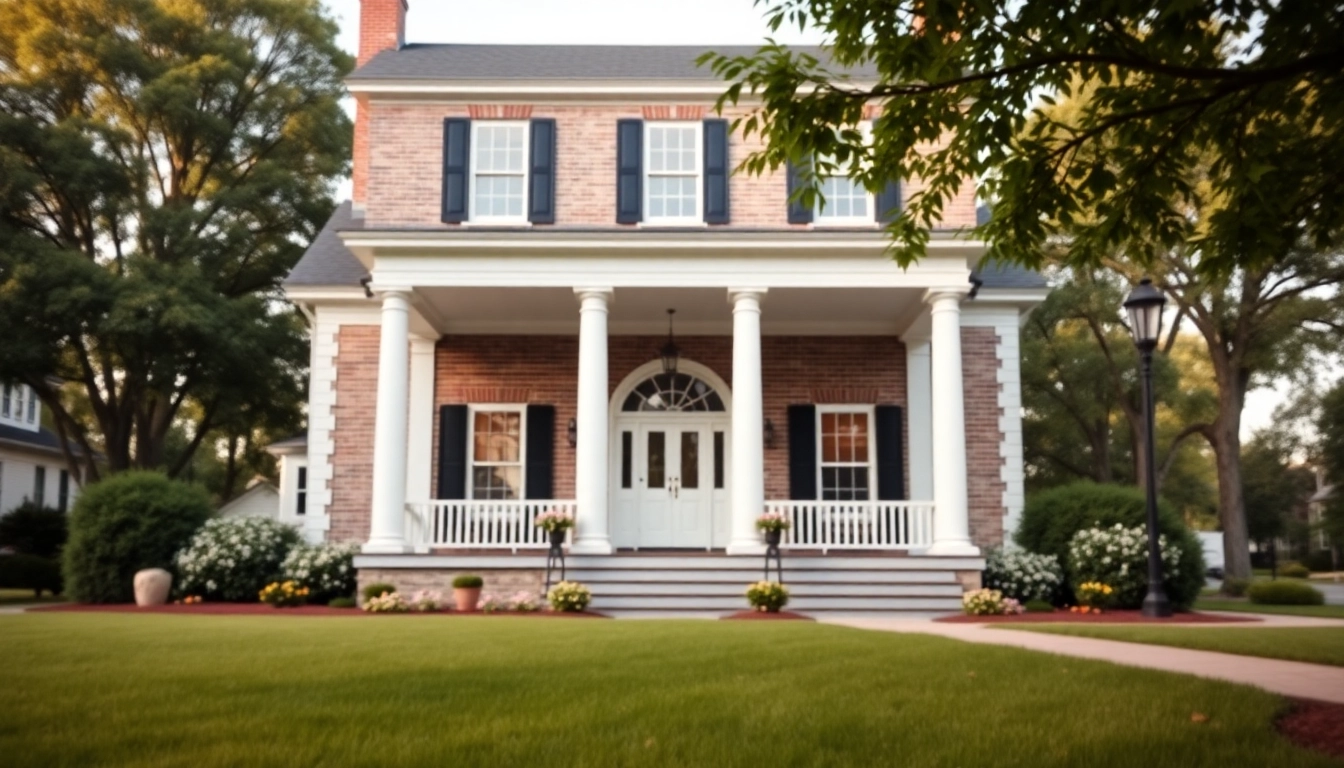
Colonial architecture is renowned for its symmetrical designs, classic proportions, and use of traditional materials. Key elements include window shutters, gabled roofs, and central hallways. The facade typically showcases a paneled front door flanked by tall, multi-paned windows, creating a balanced aesthetic. The roofs are often steeply pitched, and exterior walls are commonly clad in wood siding, brick, or stone.
Historical Significance and Styles
The roots of colonial architecture can be traced back to the 1600s during the early European settlement of America. The style varies significantly based on geographic location, resulting in several sub-styles such as Georgian, Federal, and Dutch Colonial. Each style reflects the cultural influences and building practices of its time, providing a unique slice of American history.
For instance, the Georgian style is known for its formal symmetry and grandeur, recognizable through its brick facade and decorative pediments. The Federal style, prevalent in the late 18th and early 19th centuries, often features lighter and more refined aesthetics, with minimal decorative moldings. Understanding these distinctions is essential when planning your colonial home build.
Modern Adaptations of Colonial Designs
Today, many architects and designers are reinterpreting colonial designs to fit modern lifestyles without compromising historical integrity. These adaptations include open floor plans that provide spacious interiors and the incorporation of energy-efficient materials and systems. While maintaining classic colonial elements, these homes often blend contemporary amenities, making them appealing to modern homeowners.
Essential Steps in Colonial Home Build Planning
Planning a colonial home build involves a series of carefully considered steps. Each phase plays a crucial role in ensuring a successful outcome, from budgeting to choosing the right location and materials. Understanding these essential steps can make the process more manageable and enjoyable.
Budgeting for Your Colonial Home Build
Creating a well-thought-out budget is foundational to your colonial home build. Consider all aspects, including land acquisition, design fees, construction materials, labor costs, and potential permits. It is vital to account for unexpected expenses, which may arise during construction. A detailed budget not only provides clarity but also helps in prioritizing design features that align with your financial constraints.
Selecting the Right Location and Site
The location of your colonial home build significantly impacts its design, functionality, and resale value. Factors to consider include proximity to schools, shopping centers, and public transportation. The site’s topography, orientation, and environment also play a vital role in the final design. An ideal location should augment your lifestyle while also considering the architectural integrity suited for a colonial style.
Choosing Materials for Authenticity
Authenticity in materials is key to achieving the colonial aesthetic. Traditional materials like wood, brick, and stone convey a sense of heritage and timeworn elegance. Sourcing high-quality, period-appropriate materials is essential. For example, using reclaimed wood or hand-made bricks can enhance authenticity while promoting sustainability.
Design Considerations for Your Colonial Home Build
Your design choices will define the character and functionality of your colonial home build. It’s important to reflect on various design elements that balance traditional styles with modern needs.
Floor Plans that Reflect Colonial Tradition
Colonial homes often feature specific floor plans that reflect historical traditions. A classic central hallway plan with rooms branching off on either side is standard. This layout creates a functional flow and optimizes natural light. Alternatively, exploring adaptations like open-concept spaces while maintaining distinct colonial features can create a more modern living environment.
Incorporating Modern Amenities
While honoring the colonial style, incorporating modern amenities enhances comfort and efficiency. This includes upgrading kitchens and bathrooms with contemporary appliances, smart home technologies, and effective insulation. These updates provide the conveniences expected in today’s homes while preserving the overall charm of traditional design.
Landscaping Ideas for Colonial Homes
Landscaping plays a vital role in enhancing the exterior appearance of your colonial home. Traditional colonial landscapes often feature manicured lawns, formal gardens, and classic pathways. Incorporating native plants can also support local ecology while reducing maintenance. Additionally, concepts like outdoor living areas with timeless stonework or classic garden features can blend beautifully with a colonial design.
Finding the Right Professionals for Your Colonial Home Build
Collaboration with experienced professionals is critical to the success of your colonial home build. From architects to builders, each will play an integral role in realizing your vision.
Choosing an Architect or Designer
Selecting the right architect or designer is crucial. Look for professionals with specific experience in colonial homes or traditional architecture. They should understand the nuances of colonial design and be able to translate your ideas into workable plans. Engaging in open discussions about your preferences and budget can establish a cooperative relationship that ensures your vision is honored.
Partnering with Experienced Builders
Find skilled builders who have a track record with colonial home builds. Quality craftsmanship is essential to maintaining the architectural integrity you desire. Requesting references and reviewing previous projects can help identify builders who align with your values and vision. Collaborative planning with your builder can also ensure that the construction process runs smoothly and stays within budget.
Understanding Contracts and Agreements
Understanding the terms and conditions of contracts is imperative when working with professionals for your colonial home build. Clear agreements on scope, budget, timeline, and responsibilities will mitigate misunderstandings later. It’s advisable to consult a legal expert familiar with construction contracts to review documents before signing.
Maintaining and Enhancing Your Colonial Home Build
Post-completion, maintaining and enhancing your colonial home build is fundamental to its longevity and aesthetic appeal. Regular upkeep and thoughtful renovations can improve the home’s value and functionality over time.
Regular Maintenance Tips for Longevity
Regular maintenance of your colonial home involves routine inspections of roofing, siding, and structural elements to identify any potential issues. Keeping up with exterior painting and repairing weathered areas will preserve both aesthetics and functionality. Establishing seasonal maintenance checklists can make this process straightforward and manageable.
Renovation Ideas that Respect Tradition
Renovations offer opportunities to refresh your home while respecting its historical context. Focus on preserving original features while updating systems and materials. For instance, sympathetically modernizing kitchens and bathrooms can enhance usability without compromising colonial charm. Engaging professionals familiar with historic preservation will ensure that your renovations align with best practices.
Enhancing Value Through Strategic Upgrades
Identifying and implementing strategic upgrades can significantly enhance the value of your colonial home build. Energy-efficient upgrades, modern bathrooms, and kitchen renovations often yield the most substantial returns. Additionally, thoughtfully planned outdoor spaces and curb appeal enhancements can elevate market value, ensuring that your home remains not just a residence but a valuable asset.
Frequently Asked Questions
What are the key features of a colonial home?
Colonial homes are characterized by symmetry, centrally located front doors, multi-paned windows, steep roofs, and brick or wood siding. These features reflect traditional architectural practices and aesthetics.
How do I choose the right location for my colonial home build?
Consider proximity to essential services, transport links, and the surrounding environment. Additionally, assess zoning regulations and community aesthetics that align with colonial architectural styles.
What materials should I prioritize for authenticity?
Focus on traditional materials such as brick, wood, and stone. Authentic reclaimed materials can also enhance historical integrity while adding unique character to your home.
How can I modernize a colonial home while preserving its character?
Incorporating modern amenities like updated kitchens and bathrooms can enhance comfort while maintaining historical features. It’s important to preserve architectural details that embody colonial charm.
What ongoing maintenance is necessary for a colonial home?
Ongoing maintenance includes regular inspections of roofs, siding, and systems. Seasonal care and timely repairs will help preserve functional and aesthetic qualities unique to colonial architecture.