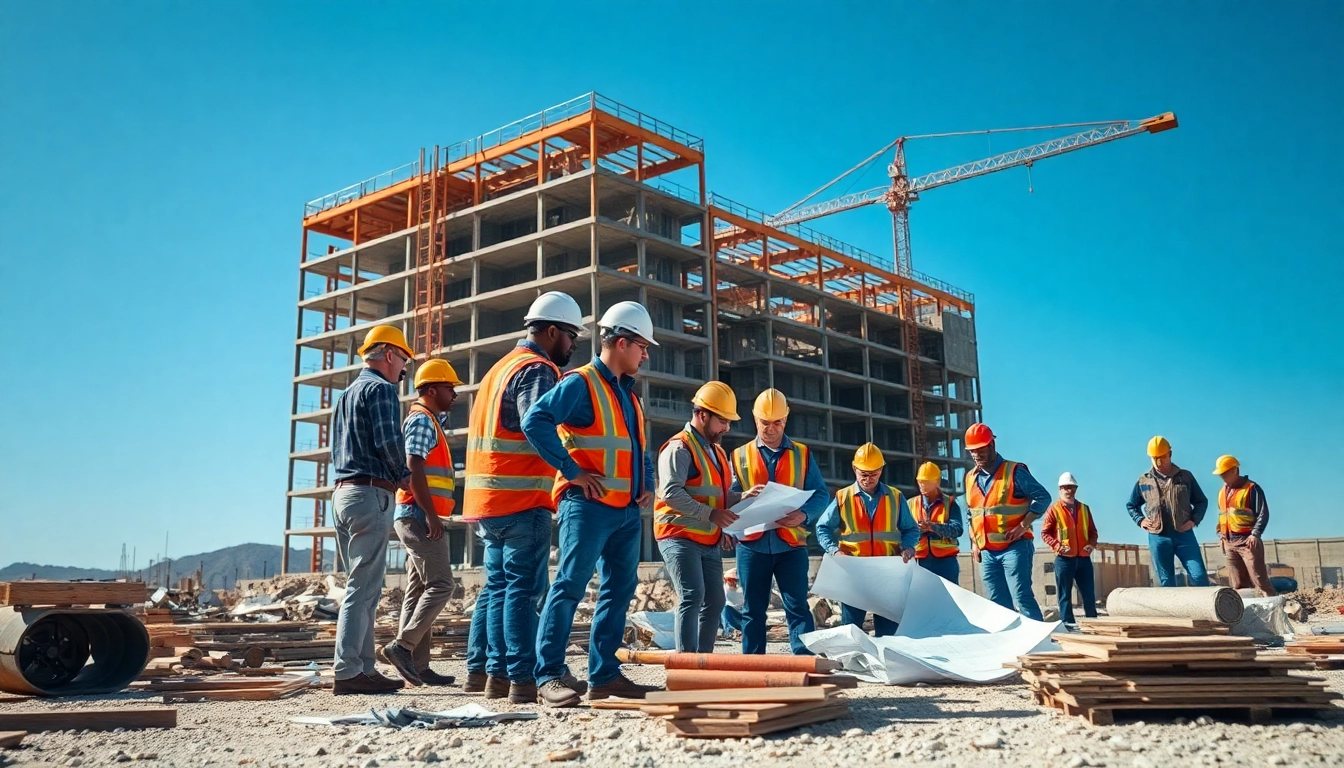
The Importance of Selecting a New Jersey Commercial General Contractor
When embarking on a construction or renovation project, one of the most crucial decisions you'll face is choosing a New Jersey Commercial General Contractor. The contractor you select will significantly influence your project's success, timeline, and budget. This guide provides in-depth insights into understanding the vital role of a general contractor and the benefits of hiring local expertise, along with the key factors to consider during your selection process.
Understanding the Role of a General Contractor
A general contractor is the primary entity responsible for managing a construction project from conception to completion. They are the ones who orchestrate all aspects of the project, including hiring subcontractors, scheduling inspections, and ensuring that work adheres to the established standards and regulations. The general contractor serves as the project’s main point of contact for both clients and construction teams, making their role crucial for the coordination and execution of the build.
Beyond management, a general contractor brings essential project planning expertise to the table, assessing timelines, costs, and the scope of work required to execute the project efficiently and effectively. This knowledge is invaluable and can help avoid common pitfalls that could delay progress or inflate budgets.
Key Benefits of Hiring Local Expertise
Selecting a local general contractor offers several distinct advantages:
- Familiarity with Local Regulations: Local contractors understand the specific building codes and zoning laws of New Jersey. This knowledge can streamline the permitting process and help ensure compliance with state regulations, avoiding costly fines or project delays.
- Network of Trusted Subcontractors: Established local contractors often have relationships with reliable subcontractors. This network can enhance project efficiency, as they can quickly mobilize teams that have a proven track record of delivering quality work.
- Community Engagement: Local contractors are more likely to understand the community's needs and preferences, allowing them to suggest design features or materials that resonate with clients and local residents alike.
Factors Influencing Contractor Selection
Choosing the right general contractor involves evaluating a variety of factors, including:
- Experience and Specialization: Look for contractors who specialize in the type of project you are undertaking, whether it’s a commercial establishment, a renovation, or new construction.
- Reputation: Online reviews, testimonials, and project portfolios provide insights into a contractor’s reliability and quality of work. Engaging previous clients for feedback can also offer a more personal perspective.
- Pricing: Obtain quotes and evaluate them, considering not only cost but what is included in each estimate. This way, you can better understand the value offered by each contractor.
- Communication: Effective communication is crucial for a successful partnership. Ensure the contractor is open and responds promptly to inquiries.
Evaluating Experience and Credentials of New Jersey Commercial General Contractors
Reviewing Past Projects and Client Testimonials
Assessing a contractor's previous work and gathering testimonials can provide insight into their capability and reliability. A robust portfolio should reflect a variety of completed projects similar to yours, showcasing their adaptability and range of skills.
Client testimonials can further enrich this evaluation. They provide direct feedback that reveals how the contractor managed challenges, adhered to timelines, and maintained communication throughout the project. Consider reaching out to former clients and inquiring about their experiences to build a comprehensive understanding of the contractor’s strengths and weaknesses.
Verifying Licenses and Insurance Requirements
Before finalizing your contractor choice, it is essential to verify that they hold the necessary licenses and insurance required by New Jersey law. Licensed contractors have met the qualifications and standards set forth by state regulations, ensuring they operate legally and maintain industry credibility.
Insurance coverage is equally important. A reputable contractor should carry general liability insurance and workers' compensation. These safeguards not only protect the contractor but also shield you from potential legal issues arising from workplace injuries or damages incurred during the construction process.
Assessing Contractor’s Industry Certifications
Industry certifications can be indicative of a contractor’s dedication to their craft and ongoing education. Certifications in specific construction methods, safety protocols, and project management signify expertise and a commitment to quality. During your evaluation, inquire about any relevant certifications that demonstrate the contractor's commitment to industry standards.
Cost Considerations When Hiring a New Jersey Commercial General Contractor
Understanding Pricing Models and Estimates
Cost transparency is a hallmark of a reputable contractor. Familiarize yourself with different pricing models—such as fixed price, cost-plus, or time and materials—to determine which works best for your project. Request detailed estimates that break down costs, including materials, labor, and overhead.
An estimate should not only include total projected costs but also detail what is being covered under that price. This breakdown aids in clarifying the financial landscape and setting expectations for your budget.
Budgeting for Contingencies and Overruns
Every construction project carries inherent risks, and unexpected challenges can frequently arise. Therefore, it's prudent to budget for contingencies, typically around 10%-20% of your total project costs. This allocation ensures you have financial leeway to address unanticipated expenses without derailing the project.
Comparative Analysis of Quotes from Multiple Contractors
After gathering estimates from multiple general contractors, undertake a comparative analysis. Don’t simply choose the lowest bid; rather assess the value offered in each proposal. Look for what’s included in the estimates and how different contractors plan to meet your project requirements.
Comparing timelines, materials, and project management styles can help identify which contractor best aligns with your vision for the project while ensuring affordability.
Best Practices for Collaboration with Your New Jersey Commercial General Contractor
Effective Communication Strategies
Strong communication is the foundation of a successful contractor-client relationship. Schedule regular check-ins to discuss project status, address questions, and share updates. Tools such as project management software can facilitate communication and documentation, ensuring all parties stay aligned.
Setting Clear Project Expectations and Deadlines
Establish clear expectations upfront, detailing project objectives, timelines, and deliverables. This transparency helps avoid misunderstandings and sets a framework for accountability. Create benchmarks to gauge progress and timeliness throughout the project lifecycle.
Monitoring Progress and Addressing Issues Promptly
Active involvement in the project allows for better oversight and the ability to address issues before they escalate. Engage in site visits and regular updates, and don’t hesitate to communicate any concerns that arise. A proactive approach fosters a collaborative environment focused on achieving successful results.
Future-Proofing Your Project: How a New Jersey Commercial General Contractor Can Help
Incorporating Sustainable Practices in Construction
As sustainability gains importance, many commercial contractors focus on incorporating eco-friendly building practices. Discuss options for using sustainable materials, energy-efficient systems, and systems that minimize waste. These enhancements can not only reduce the environmental footprint of your project but can also lead to long-term cost savings and improved building performance.
Adapting to Changing Regulations and Codes
The construction industry is often subject to changing regulations and codes. A knowledgeable contractor will be adept at understanding and adapting to these changes as they occur. Collaborate on implementing modifications that keep your build compliant and up to industry standards to avoid costly rework or penalties.
Planning for Expansion and Long-term Maintenance
Future-proofing goes beyond just construction. Engage with your contractor to discuss plans for expansion and long-term maintenance. A well-designed space considers future growth, allowing for modifications without extensive disruption. Moreover, planning for maintenance schedules and systems can significantly enhance the longevity of your investment.