
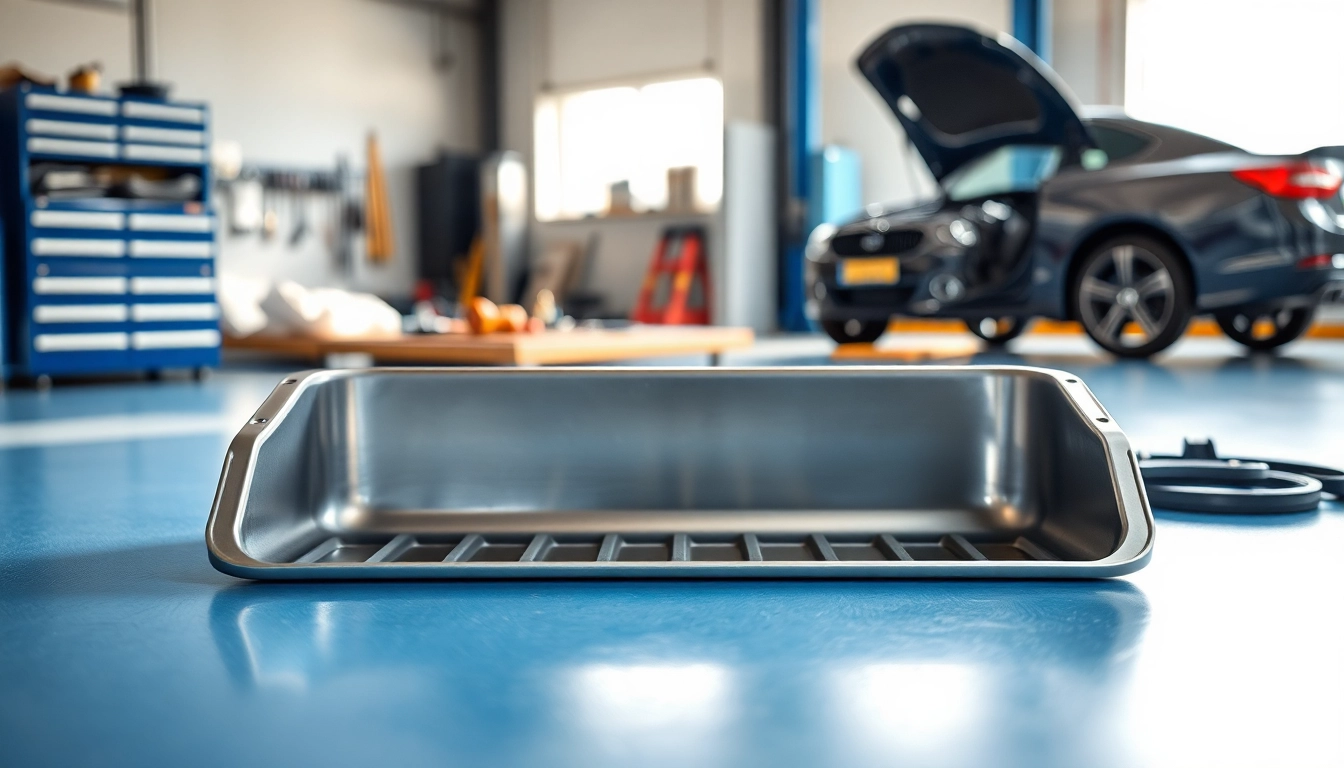

Understanding the Importance of an Oil Drain Pan
The Role of Oil Drain Pan in Vehicle Maintenance
In the realm of vehicle maintenance, the Oil Drain Pan serves a critical function. Not only does it facilitate the safe and efficient disposal of used motor oil, but it also helps protect the environment from oil spills and leaks. Whether you’re performing routine maintenance or handling an emergency oil change, the effectiveness of this tool cannot be overstated. Understanding its role is key to ensuring a clean workspace and proper maintenance of your vehicle.
Benefits of Using an Oil Drain Pan
Using an oil drain pan comes with a multitude of benefits:
- Environmental Protection: An oil drain pan prevents used oil from contaminating the ground, thus contributing to environmental conservation.
- Safety: It minimizes the risk of oil spills, which can cause slip hazards in garages or driveways.
- Cost-Effectiveness: Many local recycling centers accept used oil, allowing you to recycle and dispose of it properly without incurring any fees.
- Convenience: A properly designed oil drain pan simplifies the process of collecting and transferring used oil to disposal containers.
Different Types of Oil Drain Pans
Oil drain pans come in various styles and sizes, each designed for different needs. Some common types include:
- Standard Pans: Often made from plastic or metal, these are the most basic forms and are available in various capacities.
- Rolling Drains: Equipped with wheels, they provide mobility, making it easier to reposition them under vehicles.
- Electric Drains: These feature pumps for faster oil extraction, ideal for professional mechanics who perform frequent oil changes.
- Low-Profile Pans: Designed for vehicles with minimal ground clearance, facilitating easy access for oil changes.
How to Choose the Best Oil Drain Pan
Factors to Consider When Selecting an Oil Drain Pan
Choosing the right oil drain pan is crucial for effective maintenance. Here are essential factors to consider:
- Size: Choose a size that can accommodate the oil capacity of your vehicle. Most passenger vehicles require a minimum capacity of 5 to 6 quarts.
- Material: Opt for durable materials such as heavy-duty plastic or metal that can withstand various temperature changes and oil types.
- Design: Consider pans with features like spouts for easy pouring and handles for portability.
Comparing Material Types: Plastic vs. Metal Oil Drain Pan
The choice between plastic and metal oil drain pans is often based on specific needs.
- Plastic Pans: Generally lighter and less expensive, they excel in non-chemical oil collections. However, they may crack or degrade over time, especially with high-temperatures.
- Metal Pans: Typically more durable and resistant to heat and chemicals. They can handle larger capacities and are usually more stable but come with increased weight and cost.
Capacity Considerations for an Oil Drain Pan
Choosing the right capacity is vital. While standard capacities are often 5 to 10 quarts, larger vehicles such as SUVs and trucks may require 15-quart or greater capacity pans. It’s wise to aim for a drain pan that exceeds your vehicle’s oil capacity, allowing for overflow during changes and reducing the risk of spills.
Best Practices for Using an Oil Drain Pan
Step-by-Step Guide to Using an Oil Drain Pan Effectively
Proper usage of an oil drain pan is straightforward. Here’s a step-by-step guide:
- Prepare the Workspace: Ensure a clean working area and have all necessary tools at hand.
- Position the Drain Pan: Slide the drain pan beneath the oil pan of the vehicle, ensuring it aligns correctly.
- Remove the Oil Drain Plug: Carefully remove the plug using the appropriate tools and allow the oil to drain into the pan.
- Monitor the Flow: Watch for any potential overflow and adjust the pan’s position as needed.
- Replace the Drain Plug: Once the oil has fully drained, reinsert and secure the oil drain plug.
- Dispose of the Oil Properly: Transfer the used oil into a suitable container for recycling.
Maintaining Cleanliness with an Oil Drain Pan
Keeping a clean workspace is essential. Use absorbent mats or towels to catch any spills that might occur during the oil change process, and regularly clean your oil drain pan to prevent contamination.
Safety Tips When Using an Oil Drain Pan
Safety should be a priority when using an oil drain pan:
- Always wear gloves to protect your skin from oil.
- Work in a well-ventilated area to avoid inhaling fumes.
- Keep a fire extinguisher nearby, especially when working with flammable oils.
Common Mistakes to Avoid with Oil Drain Pans
Overlooking Capacity and Size
One of the most common mistakes is using a pan that’s too small for the vehicle. This can lead to overflows and messy spills, negating the purpose of the tool.
Neglecting Proper Cleanup
Failure to clean the oil drain pan post-use can lead to contamination during the next oil change. Ensure you wash it thoroughly and store it away from any leaks or spills.
Improper Disposal of Used Oil
Improper disposal of used oil can have serious legal and environmental consequences. Always ensure you recycle your used oil at designated facilities.
FAQs About Oil Drain Pans
What size oil drain pan do I need for my vehicle?
A standard capacity of 6 quarts is generally sufficient for most vehicles, but larger vehicles may require a higher capacity drain pan.
Can I use a plastic oil drain pan for all types of oil?
Yes, plastic oil drain pans are suitable for various oil types but ensure the material is resistant to chemicals and solvents.
How do I clean my oil drain pan?
Use soap and warm water to wash the pan after each use, thoroughly removing any oil residue before storage.
Is an oil drain pan reusable?
Yes, oil drain pans are designed to be reusable; however, they should be cleaned properly after every use to maintain their effectiveness and safety.
Where can I dispose of used oil?
Used oil can typically be disposed of at local recycling centers or automotive shops that accept oil for proper recycling.