
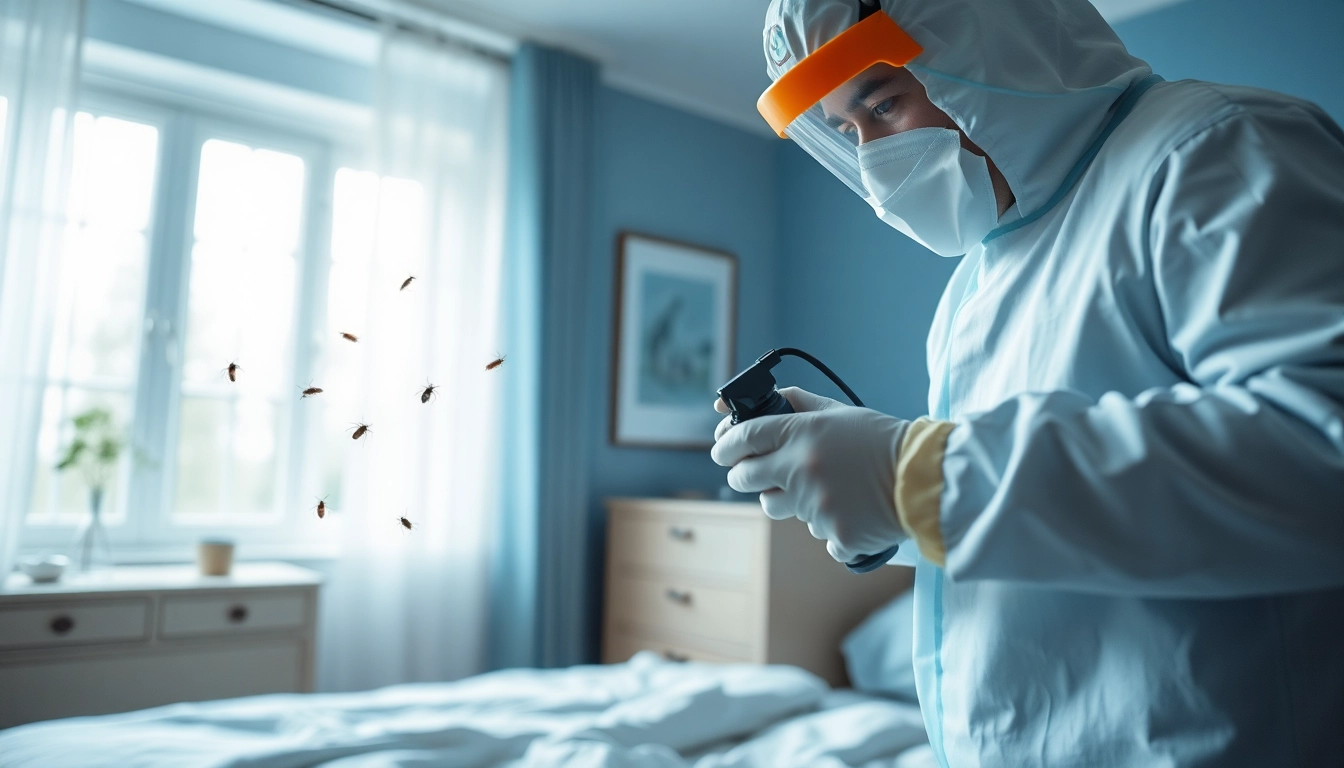

Understanding Common Bugs in Bedroom Control
Bedrooms are sanctuaries where we seek comfort, rest, and rejuvenation. However, they can also become unwelcome homes for various bugs, triggering discomfort and distress. Understanding how to effectively control these pests is crucial. This guide will provide you with comprehensive insights into bugs in bedroom control, ensuring your sleeping space remains a haven of peace.
Identifying Types of Bugs
Numerous insects can invade your bedroom, each posing unique challenges. Here are some of the most common culprits:
- Bed Bugs: These small, reddish-brown insects are notorious for feeding on human blood at night, often leaving itchy bites. They hide in mattress seams, headboards, and other crevices.
- Dust Mites: Invisible to the naked eye, dust mites thrive in bedding, upholstery, and carpets, feeding on dead skin cells. They can trigger allergic reactions in sensitive individuals.
- Ants: While not typically associated with bedrooms, ants can enter to find food. Their presence often indicates a larger infestation nearby.
- Fleas: If you have pets, fleas can hitch rides into your bedroom, feeding on your blood and that of your pets, causing discomfort and potential health risks.
- Silverfish: These agile insects prefer damp environments and can be found lurking in books, clothing, and linens, damaging fabrics and paper products.
Each of these bugs needs specific approaches to manage them effectively, making proper identification essential in your bugs in bedroom control efforts.
Signs of Infestation
Recognizing the signs of an infestation can help you act swiftly:
- Bed Bugs: Look for small brownish spots on sheets or furniture, which are fecal stains from the bugs, and be on the lookout for shed skins.
- Dust Mites: Symptoms like sneezing, coughing, and allergic reactions may indicate their presence, especially if they worsen during sleep.
- Ants: Watch for ant trails, as they commonly follow pheromone routes to food sources.
- Fleas: Scratches on your pets or flea dirt (black specks) found in bedding can be signs of a flea problem.
- Silverfish: Look for holes in clothing or books, which indicates their presence.
Early detection can make all the difference in controlling infestations before they escalate.
Health Risks Posed by Bedroom Bugs
Bugs in your bedroom can pose significant health risks. Bed bugs can cause severe allergic reactions and insomnia from their bites. Dust mites are notorious for triggering asthma and allergic reactions. Fleas can transmit diseases and lead to skin irritations. Even ants can carry bacteria, affecting your living environment. Understanding these risks is crucial for maintaining a healthy home.
Preventive Measures for Bugs in Bedroom Control
Prevention is the most effective method in combating bedroom infestations. Here are detailed strategies to keep your space bug-free.
Optimizing Your Sleeping Environment
Creating an environment that discourages bugs is essential. Start with the following measures:
- Cover Mattresses and Pillows: Invest in high-quality, zippered encasements for mattresses and pillows to create a protective barrier against bed bugs and dust mites.
- Control Humidity: Bugs thrive in humid environments. Utilize dehumidifiers and ensure proper ventilation in your bedroom to keep humidity levels down.
- Choose Appropriate Fabrics: Opt for synthetic or tightly woven fabrics that are less hospitable to allergens and pests.
Regular Cleaning Routines
Implementing a consistent cleaning schedule is pivotal in preventing infestations. Here are actionable tips:
- Wash Bedding Weekly: Use hot water to wash sheets, pillowcases, and blankets to eliminate dust mites and other allergens.
- Vacuum Frequently: Regularly vacuum your bedroom, including carpets, upholstery, and under the bed, to remove potential bug habitats.
- Declutter: Minimize clutter in your bedroom to reduce hiding spots for pests, making it easier to maintain a clean environment.
Incorporating Natural Deterrents
Consider using natural deterrents to keep bugs at bay:
- Essential Oils: Oils like tea tree, lavender, and eucalyptus have insect-repelling properties. Use them in diffusers or diluted in spray bottles.
- Cedar Products: Cedar chips or blocks can deter moths and other pests. Place them in closets or drawers to ward off bugs.
- Herbs: Planting herbs like basil or mint near windows can naturally keep bugs away and refresh your environment.
Effective Treatments for Bugs in Bedroom Control
When prevention fails, swift and effective treatment is essential. Explore the following methods to manage infestations.
Professional Extermination Services
Hiring pest control professionals can be a game changer, especially for stubborn infestations. Look for experts who provide:
- Comprehensive Inspections: Technicians should inspect every corner of your bedroom and home to assess the extent of the infestation.
- Integrated Pest Management: This approach combines prevention, monitoring, and treatment, ensuring long-lasting results.
- Guidance on Future Prevention: After treatment, professionals often provide advice on maintaining an insect-free environment.
DIY Solutions and Their Efficacy
For minor infestations, DIY solutions can be effective:
- Hot Wash and Dry: Wash clothing, linens, and pet bedding in hot water followed by a hot dryer cycle.
- Vacuum and Seal: Vacuum thoroughly and seal vacuum bags tightly to prevent re-infestation.
- Diatomaceous Earth: This natural powder can kill bed bugs and other pests. Spread it in cracks and crevices, but ensure it is food-grade quality if you have pets.
While DIY methods can be effective, they may not be a substitute for professional intervention in severe cases.
Choosing the Right Insecticides
When selecting insecticides, consider the following:
- Targeted Formulations: Choose products specifically designed for the pests you are treating, such as bed bug sprays or dust formulations for dust mites.
- Low Toxicity Options: Look for eco-friendly insecticides that pose minimal risk to humans and pets while remaining effective against bugs.
- Follow Instructions: Always adhere to label instructions for application and safety precautions.
Post-Treatment Strategies for Bugs in Bedroom Control
After treatment, it’s critical to maintain vigilance and adapt your habits to prevent re-infestations.
Monitoring for Recurrences
Stay proactive by implementing the following:
- Regular Inspections: Routinely check areas where bugs have previously been detected to catch any re-infestations early.
- Use Traps: Consider using bed bug interceptors or other traps to monitor bug activity.
Long-Term Maintenance Tips
To maintain a bug-free bedroom over the long term, keep these strategies in mind:
- Continued Cleaning: Stick to a regular cleaning schedule to eliminate any chances for bugs to thrive.
- Educate Yourself and Others: Stay informed about bugs in bedroom control methods and share this knowledge with household members.
Establishing a Pest Control Plan
Creating a pest control plan involves:
- Routine Inspections: Schedule regular check-ups, whether DIY or through professionals, to ensure a preventative approach.
- Feedback Loop: Adapt the plan based on what strategies prove effective in your specific environment.
Answering Your FAQs on Bugs in Bedroom Control
What are common types of bedroom bugs?
Common types include bed bugs, dust mites, ants, fleas, and silverfish, each requiring different management approaches.
How can I tell if I have a bug infestation?
Look for signs such as bites on your skin, fecal stains, shed skins, and allergic reactions, particularly during sleep.
What home remedies can help control bedroom bugs?
Effective home remedies include regular washing in hot water, using essential oils, and incorporating diatomaceous earth into different areas.
How often should I treat my bedroom for bugs?
Regular cleaning should be done weekly, with inspections done periodically. Treatments should be performed as needed, especially after signs of infestation.
Are professional pest services worth the cost?
Yes, professional pest services can ensure thorough inspections and effective treatments, especially for severe infestations that require specialized techniques.