
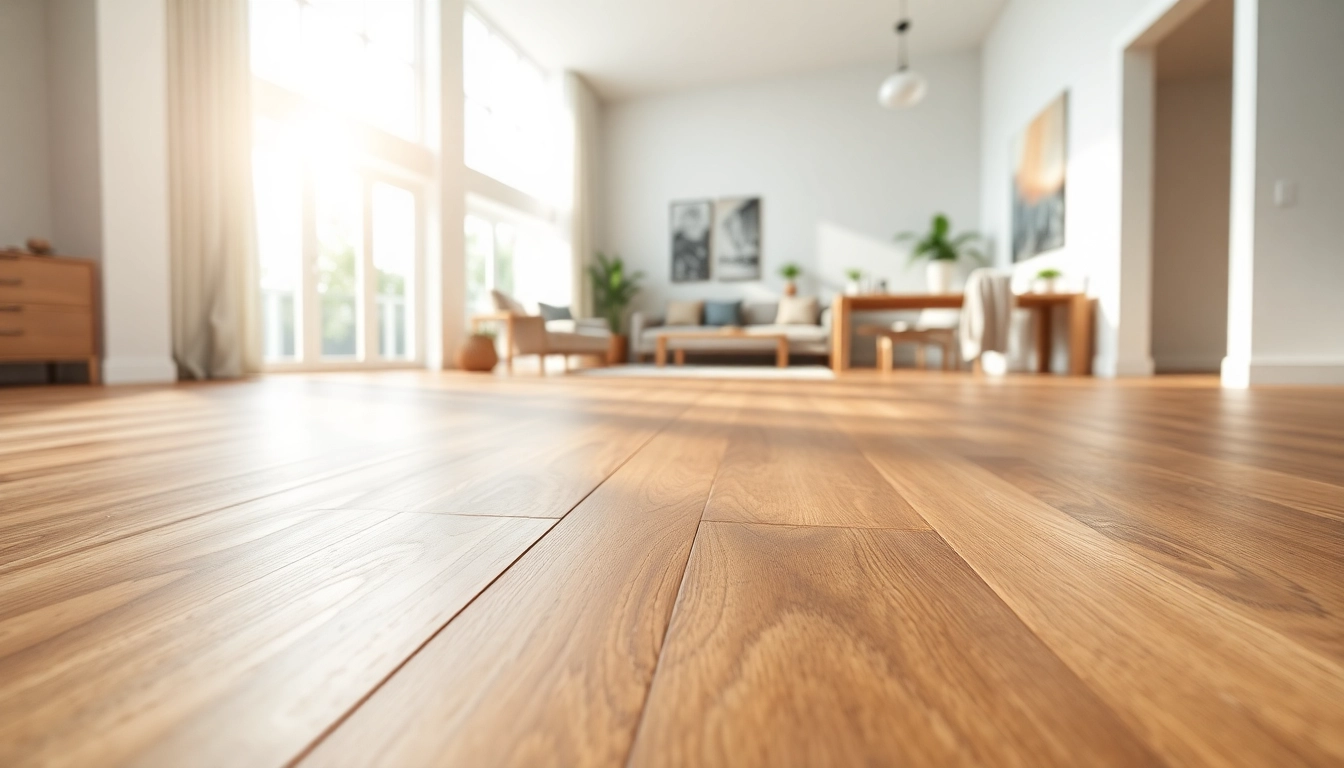

Understanding Vinyl Flooring
What is Vinyl Flooring?
Vinyl flooring is a popular flooring choice known for its versatility, ease of installation, and durability. Made primarily from polyvinyl chloride (PVC), it is engineered to imitate the look and feel of natural materials such as wood or stone. Available in various styles, colors, and textures, vinyl flooring can suit diverse aesthetic preferences and functional requirements. As a resilient flooring option, it is especially well-suited for high-traffic areas and moisture-prone environments, including kitchens and bathrooms. For homeowners seeking premium options, vinyl flooring offers both beauty and practicality, allowing for creative design choices without sacrificing performance.
Types of Vinyl Flooring Available
There are primarily three types of vinyl flooring available on the market, each catering to different installation methods, styles, and environments:
- Vinyl Sheet: This type comes in large, flexible sheets that are laid down in a continuous manner over the subfloor. It’s ideal for covering large spaces quickly and is commonly used in commercial settings due to its seamless design, which minimizes dirt and bacteria accumulation.
- Vinyl Plank: Designed to mimic hardwood flooring, vinyl plank is composed of individual planks that interlock, making installation straightforward and less labor-intensive. It’s a favored choice for residential settings due to its aesthetic appeal and robust resistance to scratches and moisture.
- Vinyl Tile: This type emulates ceramic or stone tiles. Vinyl tiles are individually installed and offer versatility in design as they can be configured in various patterns. Their modular format is user-friendly, allowing easy replacement if a tile becomes damaged.
Advantages of Vinyl Flooring
Vinyl flooring stands out among flooring options for a variety of reasons:
- Affordability: Vinyl flooring typically costs less than hardwood or stone options, making it an economically savvy choice for budget-conscious homeowners.
- Durability: With its multi-layered construction, vinyl flooring can withstand significant wear and tear, making it a strong contender for high-traffic areas.
- Water Resistance: Many vinyl flooring products are designed to be water-resistant, making them suitable for kitchens, bathrooms, and basements.
- Easy Maintenance: Cleaning vinyl flooring is a breeze; regular sweeping and occasional mopping are generally all that’s needed to keep it looking pristine.
- Comfort and Insulation: Vinyl provides a softer feel underfoot compared to harder surfaces like tile or stone, adding comfort. Additionally, some vinyl products come with insulating properties that enhance energy efficiency.
Choosing the Right Vinyl Flooring for Your Space
Assessing Your Needs and Preferences
When selecting vinyl flooring, assess your specific needs based on the following factors:
- Room Function: Consider the purpose of the room (kitchen, bathroom, living area, etc.) and the expected foot traffic. For high-traffic areas, opt for thicker vinyl with higher wear layers to ensure longevity.
- Design Style: Reflect on your home’s overall aesthetic. Vinyl flooring is available in countless styles. Choose a design that complements existing decor, whether it’s rustic, modern, or classic.
- Installation Method: Determine if you will install the flooring yourself or hire a professional. Your comfort level with DIY projects may influence the type of vinyl you choose.
Evaluating Durability and Maintenance
Durability and maintenance are key considerations when it comes to vinyl flooring. Look for the following features:
- Wear Layer: This is the protective layer on top of the vinyl. Thicker wear layers offer better protection against scratches, scuffs, and stains.
- Warranty: Check the manufacturer’s warranty for insights into the lifespan of the product and its resilience against wear and tear.
- Maintenance Requirements: Ensure you are aware of the cleaning products suitable for vinyl flooring. Many brands recommend pH-neutral cleaners to prevent damage.
Color and Style Considerations
The color and style of your vinyl flooring can significantly influence the aesthetic appeal of your space:
- Color Schemes: Lighter colors can make a room feel more spacious, while darker tones can create a cozy atmosphere. Neutral shades are versatile and can blend with various decors.
- Patterns and Textures: Patterns can add visual interest. Consider realistic wood or stone looks if you prefer a natural aesthetic. Textured vinyl can provide a more tactile experience and enhance realism.
- Customization: Many manufacturers offer customizable options to create unique designs that cater to your specific style preferences.
Installation Process for Vinyl Flooring
Preparing Your Space
Before installation, proper preparation of the space is crucial for a successful outcome:
- Subfloor Assessment: Ensure the subfloor is dry, clean, and level. Any bumps or imperfections should be addressed to facilitate an even installation.
- Acclimation: Allow the vinyl flooring to acclimate in the room where it will be installed for at least 48 hours to align with the room’s temperature and humidity, minimizing expansion or contraction post-installation.
- Tools and Materials: Gather all necessary tools (utility knife, measuring tape, roller, etc.) and materials (adhesive, underlayment) needed for installation.
DIY vs. Professional Installation
Determining whether to install vinyl flooring yourself or hire professionals depends on several factors:
- Skill Level: If you’re comfortable with DIY projects, vinyl plank and tile options—especially those with click-lock mechanisms—can be straightforward to install.
- Time Commitment: Professional installers can often complete the job in a fraction of the time it might take for an inexperienced individual.
- Cost Considerations: Professional installation does incur additional costs, but it can result in a higher quality finish and save you from potential mistakes.
Common Installation Challenges
Regardless of skill level, challenges can arise during installation:
- Uneven Floors: If the subfloor is not level, it can cause problems during installation. Use a leveling compound if needed.
- Misaligned Planks/Tiles: Double-check measurements and layout plans to avoid misalignment, which can ruin the overall aesthetic.
- Adhesive Issues: Ensure proper application of adhesive, as inadequate coverage can lead to lifting or bubbling in the finished floor.
Maintenance and Care for Vinyl Flooring
Routine Cleaning Tips
To keep your vinyl flooring looking pristine, adhere to these routine cleaning tips:
- Sweeping or Vacuuming: Regularly sweep or vacuum to remove dirt and debris, which can scratch the surface over time.
- Spot Cleaning: For spills and stains, promptly clean with a damp cloth and a mild cleaner to prevent staining.
- Mopping: Use a damp mop with a pH-neutral cleaner designed for vinyl flooring. Avoid saturating the flooring to prevent moisture damage.
Long-Term Care Best Practices
Long-term care is essential for maximizing the lifespan of your vinyl flooring:
- Protective Mats: Place protective mats in high-traffic areas (entrances, kitchens) to reduce wear.
- Furniture Pads: Utilize felt pads under furniture legs to prevent scratches and indentations.
- Periodic Deep Cleaning: Schedule deep cleaning sessions as needed, using specialized products to restore shine and texture.
Repairing Damage to Vinyl Flooring
Damage can occur over time; here’s how to address it:
- Minor Scratches: For small scratches, use a vinyl repair kit for a seamless fix.
- Peeling Edges: Apply a suitable adhesive to re-secure edges that may peel up.
- Replacing Planks/Tiles: If a plank or tile is beyond repair, it is typically easy to replace an individual piece without disrupting the surrounding flooring.
Frequently Asked Questions about Vinyl Flooring
What is the lifespan of vinyl flooring?
The lifespan of vinyl flooring typically ranges from 10 to 20 years, depending on quality, maintenance, and installation practices.
Can vinyl flooring be installed over existing floors?
Yes, vinyl flooring can often be installed over existing floors, provided they are flat, clean, and in good condition. However, it’s advisable to check manufacturer guidelines.
How do I clean and maintain vinyl flooring?
Routine cleaning involves sweeping, vacuuming, and mopping with a damp cloth and a mild cleaner. Avoid harsh chemicals that can damage the flooring.
Is vinyl flooring water-resistant?
Many vinyl flooring options are designed to be water-resistant, making them suitable for moisture-prone areas like kitchens and bathrooms.
What are the eco-friendly options for vinyl flooring?
Eco-friendly vinyl flooring options include products made from recycled materials and those that use low-VOC (volatile organic compounds) adhesives and finishes.