
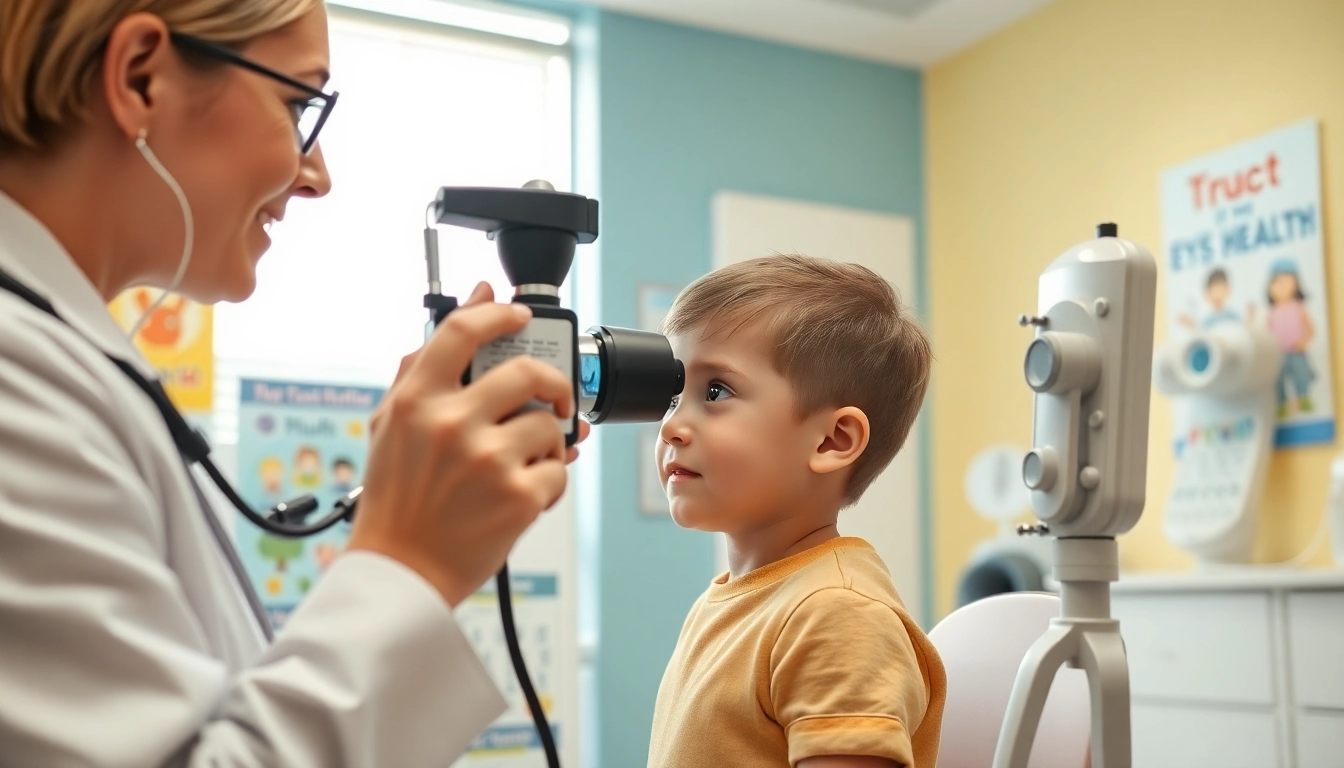

Understanding the Importance of Our Children’s Vision
Children’s vision health is a critical component of overall well-being, influencing not only how they see the world but also their physical, emotional, and academic development. Our Children’s Vision seeks to address the urgent need for accessible eye care and preventive measures to reduce vision impairment among young populations. The significance of maintaining healthy vision in children cannot be overstated, as poor vision can have far-reaching consequences.
Defining Children’s Vision Health
Children’s vision health encompasses a range of aspects, including the ability to see clearly at various distances, the coordination between both eyes, and the brain’s ability to process and interpret visual information. Ensuring proper vision involves early diagnosis and treatment of conditions such as refractive errors, amblyopia (lazy eye), strabismus (crossed eyes), and more complex issues such as congenital cataracts. Regular eye examinations are essential in identifying these issues early, particularly since children often do not recognize or communicate their vision difficulties.
The Impact of Poor Vision on Development
Poor vision can severely affect a child’s developmental milestones. Data shows that children with unaddressed vision problems are more prone to learning difficulties, behavioral issues, and social challenges. For instance, a child struggling to see the blackboard may experience significant setbacks in their educational journey, resulting in low self-esteem and disengagement from learning environments. Additionally, studies indicate that children with vision impairments are at higher risk for accidents, impacting their physical development and social interactions. Without effective interventions, the cycle of disadvantage continues, restricting opportunities and overall quality of life.
Demographic Insights on Children’s Eye Health
Understanding the demographics of children affected by vision impairment highlights areas of concern and opportunity for targeted intervention. Research indicates that children from low-income families and underserved communities are disproportionately affected by vision problems. For example, one study found that children in these groups are less likely to receive routine eye care, leading to delays in diagnosis and treatment. Furthermore, trends show a growing prevalence of myopia among children globally, attributed to increased screen time and reduced outdoor activities. Addressing these disparities requires a proactive approach from health agencies, educational institutions, and communities.
Key Strategies for Promoting Our Children’s Vision
Creating Awareness on Eye Care Needs
Raising awareness about children’s eye health is the first step in combating vision impairment. Parents, educators, and healthcare providers must be well-informed about the signs of vision problems and the importance of regular eye check-ups. Community outreach programs and educational campaigns can play a vital role in dispelling myths surrounding eye care, emphasizing that routine screenings should be a standard part of pediatric healthcare. Leveraging social media, workshops, and community partnerships can facilitate outreach efforts and enhance public knowledge.
Engaging Communities through Partnerships
Collaboration is essential for the success of children’s vision initiatives. By forming partnerships with local schools, health organizations, and community leaders, stakeholders can pool resources and expertise to implement effective eye care programs. For instance, schools can serve as venues for vision screenings, while local health practitioners can volunteer their services. Establishing long-term relationships with community organizations ensures ongoing support and sustainability for vision health initiatives.
Implementing School Vision Screening Programs
Integrating vision screening programs within schools can significantly improve access to eye care for children. Schools are ideal settings for early detection, as they can reach a substantial number of students in a cost-effective manner. Implementing a protocol for regular screenings helps identify children in need of further examination or corrective measures, such as glasses. Collaboration with local eye care professionals to facilitate referrals and follow-up care can ensure that impacted children receive timely interventions.
Challenges in Achieving Optimal Eye Health
Access to Eye Care Resources
Despite the clear need for comprehensive eye care, barriers to access persist. Many families face financial constraints that limit their ability to seek necessary eye treatment. Geographic disparities also play a role, as rural and underserved urban areas often lack adequate eye care facilities. To address these challenges, innovative solutions must be developed to improve accessibility, such as mobile clinics or community-based optometry services that bring eye care directly to communities in need.
Understanding Cultural Barriers to Eye Health
Cultural perceptions surrounding health and medical care significantly influence children’s access to eye health services. In some communities, there may be a stigma associated with wearing glasses, or a lack of understanding about the importance of vision care. Cultural competency training for healthcare providers can help them engage effectively with diverse populations and motivate families to prioritize their children’s eye health.
Addressing Awareness and Literacy Gaps
A lack of awareness and literacy regarding eye care significantly hampers efforts to improve children’s vision health. Educational materials need to be crafted in an accessible manner, using clear language and visuals to reach broader audiences, particularly among non-English speakers and low-literate populations. Providing families with engaging resources, such as workshops, can demystify eye care, showcasing its importance to children’s overall health and development.
The Role of Policy in Supporting Our Children’s Vision
Advocating for Pediatric Eye Health Legislation
Effective policy advocacy is critical in establishing a robust framework for children’s eye health. Policymakers must be engaged to support legislation that mandates regular vision screenings in schools and allocates funding for eye care programs targeting underserved populations. By elevating the issue of children’s vision health within public policy, advocates can ensure it receives the attention and resources required to drive meaningful change.
Funding and Support for Eye Care Programs
Funding is essential to sustain effective eye health initiatives. Financial support can be derived from government grants, philanthropic donations, and corporate partnerships. Establishing a diverse funding model will help mitigate risks associated with reliance on a single source of income. Furthermore, ongoing investment in eye care research and practical applications will enhance preventative measures and treatments available to children.
Collaboration with Healthcare Providers
Integrating eye care within the broader healthcare system enhances preventive strategies for children. Robust collaborations between eye care professionals and pediatricians can facilitate holistic approaches to children’s health, ensuring that vision care becomes an established component of overall health assessments. Regular training for healthcare providers concerning the latest developments in pediatric eye health will foster better identification and management of conditions affecting children’s vision.
Measuring Success in Children’s Vision Initiatives
Key Performance Indicators for Vision Programs
Evaluating the effectiveness of initiatives aimed at improving children’s vision is essential for ensuring they meet their objectives. Establishing key performance indicators (KPIs), such as the number of screenings conducted, referrals made, and treatment follow-ups, provides insight into program success. Furthermore, tracking improvements in vision-related academic performance and socialization can help determine long-term impact, guiding necessary adjustments to strategies over time.
Case Studies on Successful Interventions
Real-world examples of effective interventions can offer valuable lessons for stakeholders in children’s vision health. For instance, case studies highlighting communities that successfully integrated vision screenings in schools demonstrate the importance of collaborative approaches. These examples can motivate similar initiatives, showcasing measurable improvements in children’s access to eye care and overall vision health. Sharing success stories with the public can also inspire further engagement from community members and leaders.
Future Directions for Our Children’s Vision Initiatives
As we look to the future, the vision for children’s eye health must evolve alongside changing societal needs. Emphasis on digital eye health solutions, such as tele-ophthalmology, may provide new avenues for reaching underserved populations. Additionally, ongoing research into the impact of screen time and other lifestyle factors on children’s vision can inform preventive measures. Continual engagement with families, communities, and healthcare providers will enhance support systems, ensuring children receive the eye care they need to thrive.