
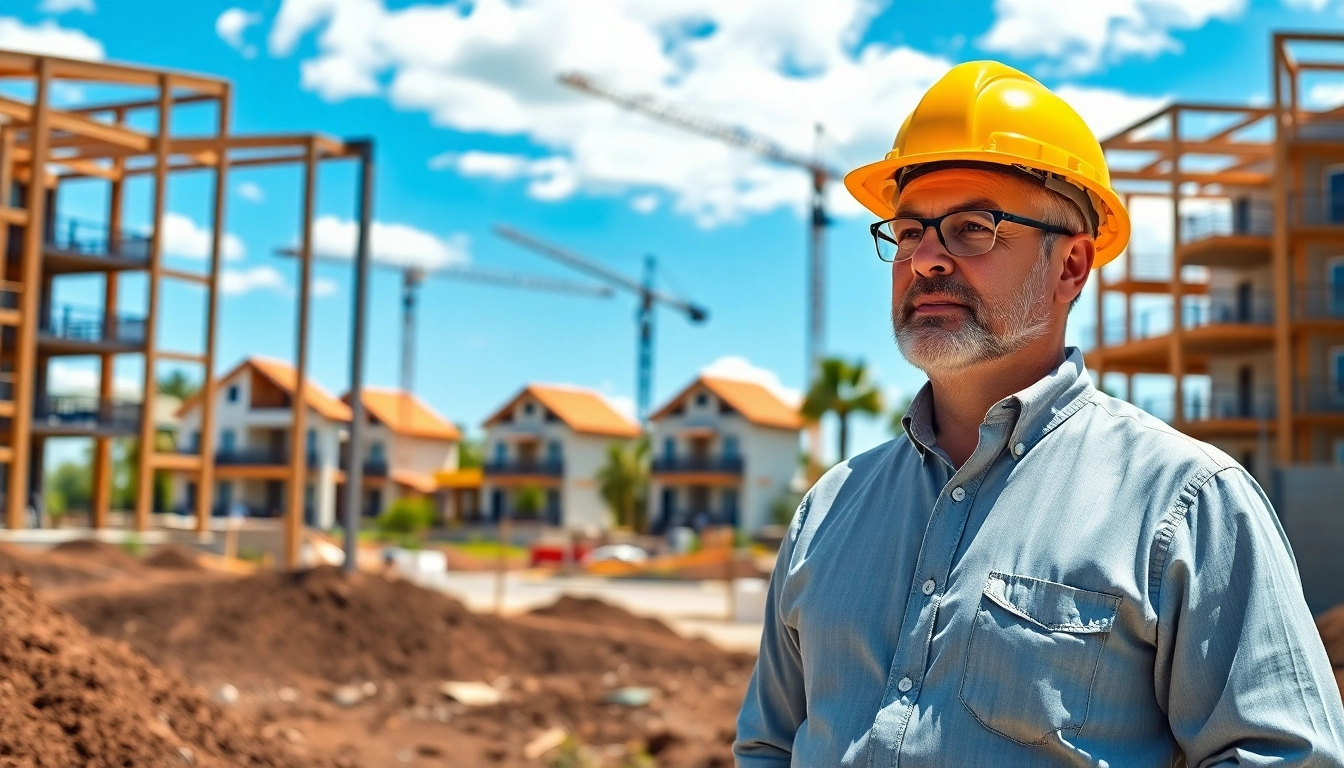

Understanding the Role of a Residential Building Developer
Definition of a Residential Building Developer
A residential building developer is an individual or organization responsible for transforming raw land into livable residential properties. This role encompasses a broad spectrum of activities, from the initial acquisition of land to the final oversight of construction projects. These developers are essential players in the housing market, as they bridge the gap between available land and consumer housing needs.
Key Responsibilities and Skills Required
Residential building developers must possess a variety of skills and responsibilities to successfully navigate the complexities of development projects. Key responsibilities include:
- Land Acquisition: Identifying and securing appropriate land for development.
- Project Planning: Creating comprehensive plans and timelines for each development project.
- Regulatory Compliance: Ensuring all construction meets local, state, and federal regulations.
- Budget Management: Estimating costs and managing budgets effectively to prevent overspending.
- Construction Oversight: Supervising the construction phases to ensure quality and safety standards are met.
Beyond these practical skills, successful developers also exhibit strong communication, negotiation, and problem-solving skills to navigate interactions with stakeholders, contractors, and government agencies.
Impact on Local Communities
The work of residential building developers significantly impacts local communities. By creating new housing, they help meet the demand for residential properties, contributing to the growth of neighborhoods and local economies. Effective developers take community needs into account, building homes that reflect the desires and requirements of potential residents. Additionally, they can enhance local infrastructure, such as roads and parks, through their development efforts. However, opposition may arise if developments do not align with community interests, necessitating open dialogue and adaptable planning processes.
Stages of Residential Development
Site Acquisition: Finding the Right Land
The first and perhaps most crucial step in the residential development process is site acquisition. Identifying a suitable parcel of land requires a combination of market analysis and understanding zoning regulations.
Developers typically look for land that is:
- Located in desirable areas with a demand for housing.
- Tagged with appropriate zoning laws for residential development.
- Accessible through existing roads and utilities.
Once a potential site is identified, developers conduct feasibility studies to assess the property’s value and potential development costs, ensuring the investment aligns with their financial goals.
Design and Planning: Crafting Effective Blueprints
After successfully acquiring land, the next stage involves meticulous planning and design. Developers collaborate with architects and urban planners to create blueprints that maximize the utilization of space while adhering to building codes and regulations.
Key aspects of this stage include:
- Site Layout: Designing optimal placement for homes, streets, and parks.
- Architectural Design: Choosing styles and materials that appeal to target buyers.
- Landscape Planning: Ensuring aesthetics with street trees, gardens, and open spaces.
In addition to aesthetics, developers must consider long-term sustainability and functionality, incorporating energy-efficient systems and materials to appeal to environmentally-conscious buyers.
Construction Management: Overseeing the Build
Once designs are finalized, the construction phase begins. Effective construction management is vital to ensure projects stay on schedule, within budget, and meet quality standards. This involves:
- Hiring Contractors: Selecting reliable subcontractors for different aspects of construction.
- Site Inspections: Regularly monitoring progress and quality through inspections.
- Budget Tracking: Adjusting projections as needed to accommodate unexpected costs.
Developers often use project management software to track workflows and communicate with teams, thereby enhancing overall efficiency and minimizing delays.
Financial Considerations for Residential Building Developers
Estimating Project Costs and Budgeting
Effective financial management is at the core of successful residential development. Developers need to develop accurate estimates of costs associated with land acquisition, construction, permits, and labor. Detailed budgeting processes allow developers to forecast costs and secure necessary funding.
Common line items in project budgets include:
- Land purchase and closing costs.
- Fees for architects, engineers, and surveyors.
- Construction costs, including materials and labor.
- Marketing and sales expenses.
Failing to account for all potential costs can lead to budget overruns, making it essential for developers to be thorough in their planning.
Financing Options for Development Projects
Developers often rely on various financing sources to fund their projects. Options include:
- Traditional Mortgages: Often used for smaller developments.
- Construction Loans: Short-term loans specifically designed for financing the construction phase.
- Private Investors: Securing funds from private entities for a share of potential profits.
- Joint Ventures: Collaborating with other developers or companies to pool resources and share risks.
Developers must evaluate which financing options best suit their project needs and long-term goals.
Financial Risks and Mitigation Strategies
Like any business, residential building developers face financial risks that can arise from fluctuating market conditions, changes in regulatory environments, and unexpected construction delays. To mitigate risks, developers can:
- Perform thorough market research to gauge demand and pricing trends.
- Establish contingency budgets to cover unexpected costs.
- Foster strong relationships with contractors to reduce the likelihood of delays and disputes.
Using comprehensive financial models can also help developers predict potential market shifts and their impacts on project profitability.
Best Practices for Successful Residential Development
Engaging with Stakeholders: Community and Government
Engagement with key stakeholders, including community members and local government, is crucial for a successful development project. Developers should initiate early communication to understand community concerns and incorporate feedback into planning.
Best practices for engagement include:
- Hosting community workshops and information sessions.
- Collaborating with local government to ensure compliance with regulations.
- Demonstrating how the development aligns with community goals.
Improved engagement fosters trust and eases the approval process, preventing potential roadblocks during development.
Sustainability in Residential Development
Sustainable development practices are increasingly important in the residential sector. Developers can create eco-friendly homes by using renewable resources, optimizing energy efficiency, and planning for public green spaces.
Notably, incorporating smart home technology can attract environmentally-conscious buyers looking for reduced energy costs and a smaller carbon footprint. Examples of sustainable features include:
- Solar panels.
- Energy-efficient appliances.
- Water conservation systems.
Investing in sustainability not only benefits the environment but also enhances property value and appeal.
Market Trends: Adapting to Consumer Needs
Keeping abreast of market trends is essential for developers to align their projects with consumer preferences. Understanding demographic shifts, like the increase in remote working, can alter housing demands significantly.
To stay competitive, developers should:
- Analyze local market reports and housing trends.
- Survey potential buyers to discover desired home features.
- Adapt designs to accommodate changing lifestyles, such as home offices or multi-generational living spaces.
Flexibility and adaptability to market changes ensure that developments remain attractive to potential buyers.
Future of Residential Building Development
Emerging Technologies in Construction
The future of residential building development will be shaped by emerging technologies that promise to streamline the construction process and improve overall project management. Innovations such as Building Information Modeling (BIM) allow for greater accuracy in design and execution, while techniques like modular construction can reduce build times significantly.
Other technologies to watch include:
- 3D Printing: Used for creating building components quickly and cost-effectively.
- Augmented Reality: Assisting in project visualization and client presentations.
- Smart Home Technology: Enhancing residential appeal through integrated systems.
Developers embracing these technologies can gain a competitive edge in the market.
Changing Regulations and Compliance
The regulatory landscape for residential building developers is continuously evolving. Key regulations may involve building codes, safety standards, zoning laws, and environmental requirements. Staying informed about changes is critical to avoid compliance issues that can delay projects or incur penalties.
To ensure compliance, developers should:
- Regularly consult with legal experts in real estate regulations.
- Participate in industry groups that provide updates on legislative changes.
- Maintain thorough documentation of all regulatory compliance efforts.
Adapting to regulatory changes swiftly is essential to minimize disruptions in project timelines.
Preparing for Economic Shifts in Real Estate
The real estate market is influenced by various economic factors, including interest rates, employment rates, and buyer confidence. Developers should maintain flexibility in strategy to adapt to these shifts.
Preparing for potential economic downturns can involve:
- Building a diverse portfolio of residential offerings across different price points.
- Securing funding with lower interest loans and favorable terms during periods of economic growth.
- Monitoring economic indicators to adjust project timelines and commitments as necessary.
Staying attuned to economic conditions allows developers to respond proactively and mitigate risks associated with market fluctuations.
Frequently Asked Questions
What is the main role of a residential building developer?
A residential building developer transforms land into housing by acquiring sites, planning projects, and overseeing construction to meet market demand.
How do developers ensure community engagement?
Developers engage communities by hosting workshops, soliciting feedback, and collaborating with local governments to address concerns.
What are the financial risks in residential development?
Financial risks include budget overruns, market fluctuations, and regulatory changes, which can impact project viability and profitability.
How can sustainability influence residential development?
Sustainability attracts eco-conscious buyers, using energy-efficient designs and renewable resources, which also can enhance property value.
What technologies are changing residential construction?
Technologies like Building Information Modeling (BIM), 3D printing, and smart home systems are transforming project management and construction efficiency.