
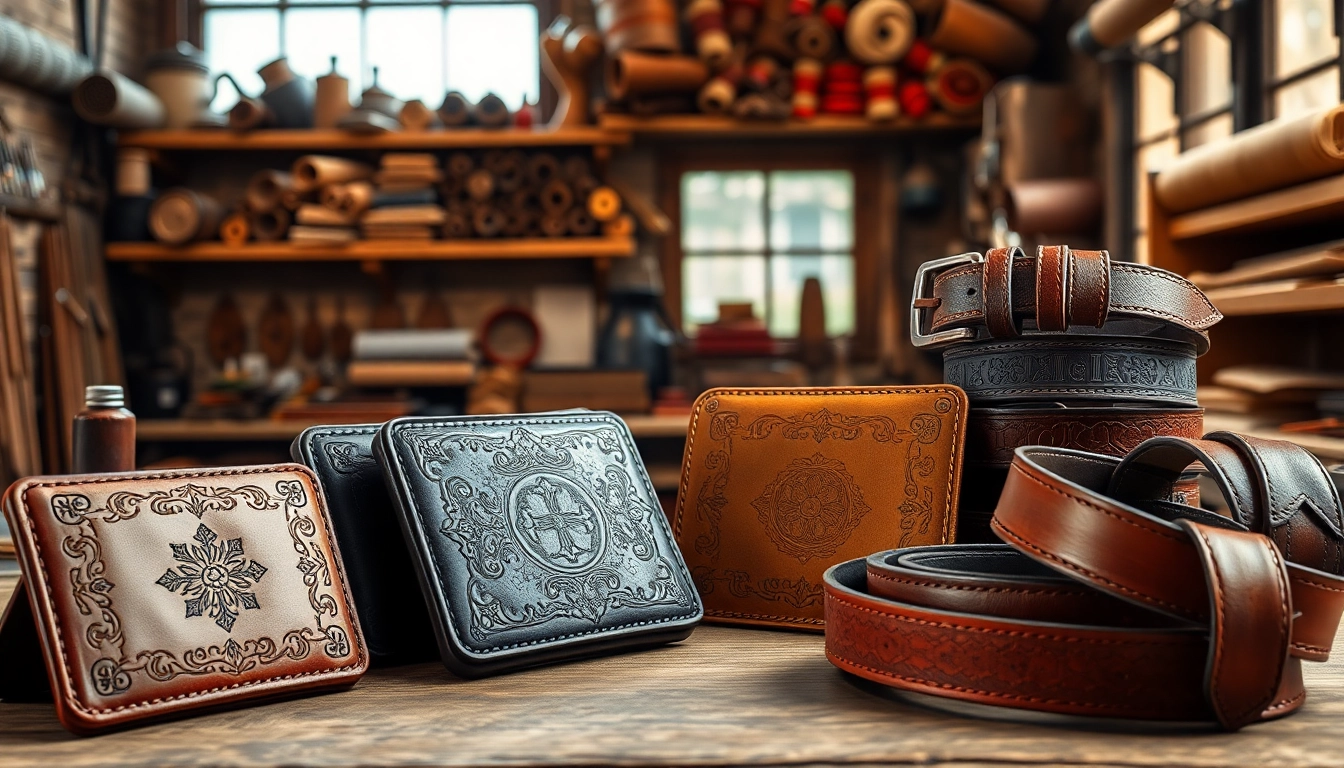

Introduction to Tooled Leather
Tooled leather has become a cherished craft that melds art and utility, appealing to artisans and “do-it-yourself” enthusiasts alike. This form of decorative leatherwork dates back centuries, capturing the interest of crafters who take pride in creating visually stunning and functionally robust items. The process involves skillfully carving intricate designs into leather surfaces using various tools and techniques. From belts to bags, the applications of Tooled Leather are as diverse as the artisans themselves. In this article, we will delve into the history of leather tooling, essential techniques, creative projects, and more.
The History and Art of Leather Tooling
The craft of leather tooling has a rich history that spans thousands of years. This ancient art form is believed to have originated in Mesopotamia as early as 3000 B.C., where leather was used for clothing, armor, and other essential garments. As civilizations evolved, the art of tooling leather moved through different cultures—each adapting the process to suit their unique needs and aesthetics. In medieval Europe, leather tooling became an essential craft for creating ornate book covers and harnesses, while Native American tribes used decorated leather for symbolic purposes and everyday objects.
Today, leather tooling has emerged as a celebrated artistic medium in its own right, with modern artisans exploring innovative designs and techniques. Mastering this craft allows individuals to produce not only functional items but also intricate pieces of art that can be treasured for generations.
Types of Leather Used in Tooling
Choosing the right type of leather is crucial for successful tooling. Each leather type has unique attributes that influence its malleability, durability, and finish. The most commonly used leathers in tooling include:
- Vegetable-Tanned Leather: This type is favored for its ability to take tool impressions well and develop a rich, natural patina over time. It is often used in high-quality crafting.
- Chrome-Tanned Leather: Known for its softness and flexibility, chrome-tanned leather is less likely to hold tooling impressions but is widely used for garments and accessories due to its wide range of colors.
- Bridle Leather: This durable and heavyweight leather is traditionally used for making harnesses and saddles. Its tight grain allows for effective tooling, making it suitable for projects requiring strength.
Each leather type comes with its own benefits and challenges, and understanding these can enhance the quality of your tooled leather projects.
Essential Tools for Leather Tooling
Having the right tools is fundamental to mastering the craft of leather tooling. Here are some essential tools you will need:
- Swivel Knife: This tool is used to carve the initial designs into the leather surface.
- Background Tools: These create texture around the main design, enhancing its depth.
- Bevelers: Used to round the edges of grooves, giving a finished look to your tooling.
- Stamp Tools: For adding patterns and decorative designs, stamps are invaluable. They come in various shapes and sizes.
- Mallet: A rawhide or plastic mallet is essential for striking tools without damaging them.
Understanding how to use these tools properly is the key to producing high-quality tooled leather pieces.
Techniques for Working with Tooled Leather
Basic Techniques and Patterns
Before diving into intricate designs, it’s vital to master the foundational techniques of leather tooling. Begin with simple patterns such as lines, curves, and geometric shapes. Familiarizing yourself with the movement of your tools will allow you to maintain precision as you progress. Start with:
- Tracing Patterns: Use tracing paper to create your designs, ensuring you adjust the depth of your cuts for a clean finish.
- Stamping: Experiment with different stamps to add texture to your projects and enhance visual interest.
- Shading Techniques: Using various tools to create shading lends dimension to your designs, making them look more dynamic.
Practice with these basic techniques can significantly impact the overall quality and appeal of your tooled leather creations.
Advanced Tooling Techniques
Once you are comfortable with basic techniques, you can move on to more advanced methods. This might include:
- 3D Tooling: This brings designs to life by creating depth and dimension through layering and shading.
- Coloring Techniques: Adding dye or paint can dramatically change the appearance of your piece. Techniques like airbrushing or using sponge brushes allow for varied effects.
- Inlay Work: Incorporate materials like brass, wood, or other leathers for a unique finish.
With patience and practice, advanced techniques can elevate your projects, making them stand out in a crowded marketplace.
Common Mistakes to Avoid
Even skilled artisans can make mistakes that hinder their projects. Here are some common pitfalls to avoid:
- Using the Wrong Tools: Each tool has a specific function. Using the wrong one can result in poor-quality work.
- Neglecting Leather Preparation: Failing to clean and condition leather can impact its ability to hold tooling marks.
- Skipping Practice: Mastery comes with consistent practice. Don’t rush into complex designs before perfecting the basics.
Being aware of these mistakes will help you stay focused and motivated on your crafting journey.
Creative Projects Using Tooled Leather
Making Leather Accessories
Tooled leather is perfect for crafting a variety of accessories. From wallets to keychains and belts, these projects can be both functional and artistic. Start with simple patterns and gradually incorporate more elaborate designs. Leverage the popularity of leather accessories to create custom pieces that cater to personal tastes and preferences.
Designing Custom Gifts
Handmade, tooled leather items make memorable gifts. Consider creating personalized items, such as engraved wallets or custom bag tags. These unique creations not only showcase your craftsmanship but also add a personal touch that store-bought gifts lack.
Upcycling Old Leather Items
Rather than tossing out old leather items, consider repurposing them. Tools and techniques learned can breathe new life into jackets, bags, or furniture. Upcycling not only saves resources but also results in unique pieces that reflect both history and personal style.
Finishing and Care for Tooled Leather
Choosing the Right Finishes
The finishing process of tooled leather helps protect it and enhance its aesthetics. Selecting the right finish is crucial:
- Oil-Based Finishes: Offer a natural look and enhance the leather’s grains.
- Water-Based Finishes: Provide a matte finish and are easier to clean up.
- Spray Finishes: Useful for achieving a smooth and even coat over larger areas.
Experiment with different finishes to see which one complements your project best.
Maintaining Your Tooled Leather Products
Proper care is essential for preserving your tooled leather. Regular cleaning, conditioning with suitable products, and avoiding excessive moisture can prolong the life of your creations.
Repairing Damaged Leather
Leather can wear and tear over time; knowing how to repair minor damages is invaluable. Consider using leather patches or dyes to address scratches and scuffs. For deeper cuts, a leather adhesive can rejoin the materials and restore structural integrity.
Frequently Asked Questions about Tooled Leather
What is Tooled Leather?
Tooled leather refers to leather pieces that are decorated through the application of various techniques, such as carving and stamping, creating visually intricate designs.
Can I Tool Leather at Home?
Yes, many crafters tool leather at home using basic tools and techniques. All you need is the right leather, tools, and a bit of practice.
How Do I Maintain My Tooled Leather?
To maintain tooled leather, regularly clean and condition it with leather-specific products, avoiding excessive moisture and direct sunlight.
What Tools Do I Need for Leather Tooling?
Essential tools include a swivel knife, stamps, background tools, bevelers, and a mallet for striking the tools during the tooling process.
Are There Classes for Leather Tooling?
Many craft schools, local workshops, and online platforms offer classes on leather tooling, suitable for beginners to advanced crafters.