
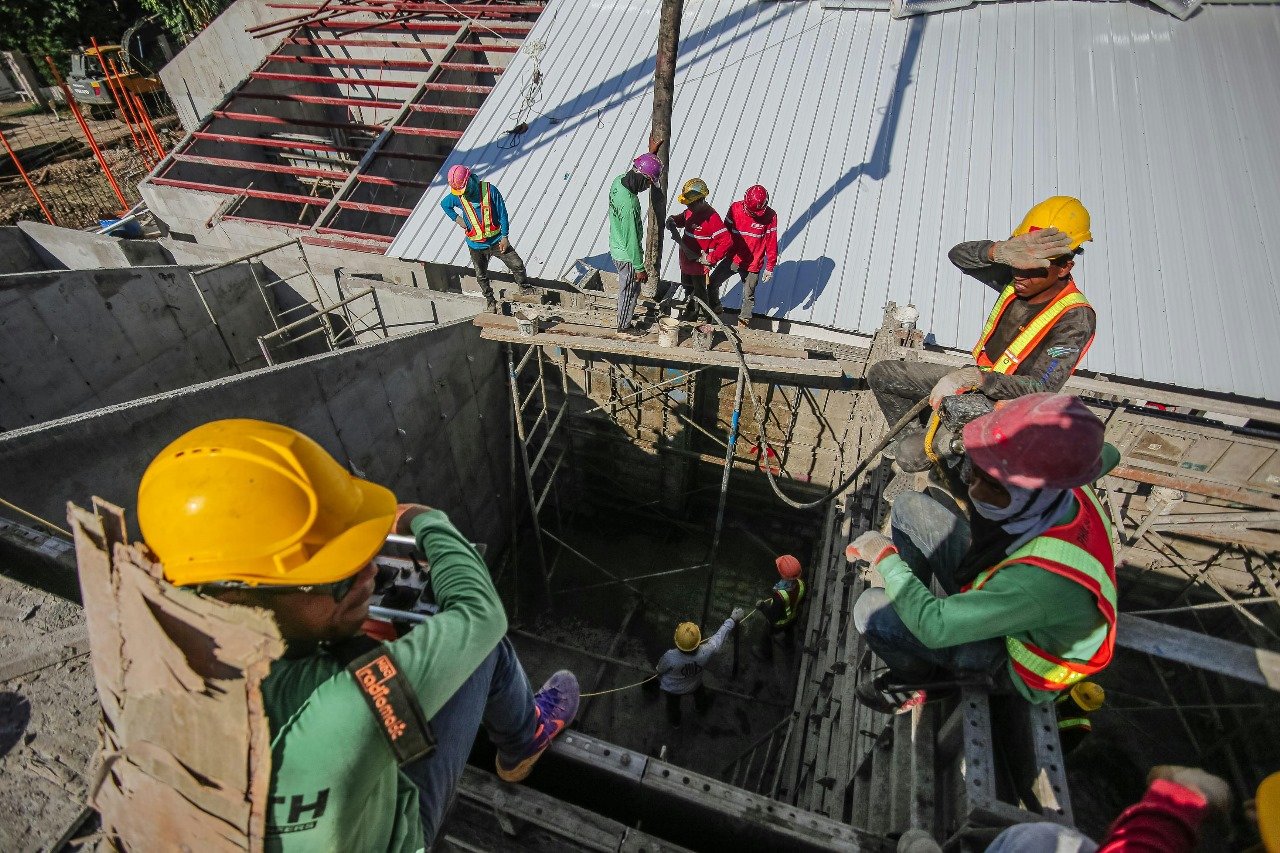
Introduction to Construction Safety Training
At ABC Carolinas, safety is at the core of every successful construction project. In an industry where workers face potential hazards daily, construction safety training plays a critical role in preventing accidents, ensuring compliance, and building a culture of responsibility. Regular and ongoing construction safety training is not just a regulatory requirement—it is an investment in the well-being and efficiency of every team member on site.
Why Ongoing Construction Safety Training Matters
Construction safety training is not a one-time event; it must be an ongoing process that keeps workers informed and alert. As job sites evolve and new technologies, tools, and safety standards emerge, continuous construction safety training ensures that every worker remains competent and aware of best practices. This ongoing education helps teams adapt to changing conditions, identify potential hazards, and respond effectively to emergencies.
Enhancing Team Awareness and Preparedness
One of the biggest benefits of construction safety training is the improvement in team awareness. Regular sessions help employees recognize unsafe conditions before they escalate into accidents. Teams trained through consistent construction safety training are more likely to communicate effectively, follow proper procedures, and report hazards immediately. This awareness reduces downtime, prevents injuries, and fosters a proactive safety culture within the organization.
Reducing Workplace Accidents and Injuries
The ultimate goal of construction safety training is to reduce workplace accidents. Through hands-on instruction, scenario-based exercises, and safety drills, workers learn how to handle tools, machinery, and materials safely. Continuous construction safety training ensures that even experienced workers stay refreshed on safety protocols. According to industry studies, companies that prioritize ongoing construction safety training report significantly fewer accidents, saving time, money, and lives.
Meeting Compliance and Regulatory Standards
Every construction company must adhere to strict safety regulations set by organizations like OSHA. Ongoing construction safety training ensures compliance with these laws, protecting both the company and its employees from penalties and liabilities. At ABC Carolinas, we emphasize that compliance is not just about meeting legal requirements—it’s about demonstrating commitment to the highest standards of worker safety through consistent construction safety training programs.
Adapting to New Technologies and Work Environments
As the construction industry advances, new technologies, equipment, and processes are introduced regularly. Ongoing construction safety training prepares teams to use these innovations safely and effectively. Workers trained in the latest safety procedures are better equipped to handle new tools, smart devices, and automated machinery. Continuous construction safety training also helps teams understand how to maintain safety in evolving job site environments, such as green building projects or high-tech infrastructure developments.
Building a Strong Safety Culture
A strong safety culture is built through continuous reinforcement and education. Regular construction safety training sessions encourage accountability, teamwork, and open communication about safety concerns. When safety becomes part of everyday operations, workers naturally look out for one another and uphold high safety standards. The culture of safety fostered by consistent construction safety training boosts morale, confidence, and productivity across the team.
Improving Productivity and Efficiency
Many companies underestimate how much construction safety training contributes to productivity. Trained workers perform tasks more efficiently because they understand how to use equipment correctly and avoid errors that lead to injuries or rework. Ongoing construction safety training minimizes downtime caused by accidents or investigations and allows teams to maintain steady progress on projects. A safer workplace naturally leads to smoother operations and higher job satisfaction.
Leadership’s Role in Promoting Construction Safety Training
Leaders play a crucial role in ensuring that construction safety training remains a top priority. Supervisors, project managers, and safety officers must set examples by participating in and supporting training initiatives. At ABC Carolinas, leadership involvement in construction safety training demonstrates commitment and motivates employees to take safety seriously. When leaders champion continuous education, the entire workforce follows their lead in maintaining high safety standards.
Tailoring Construction Safety Training to Team Needs
Every job site and crew has unique challenges, which is why construction safety training should be customized. Different teams may require specific training modules depending on their roles, such as electrical safety, fall protection, or heavy equipment operation. Regularly updated construction safety training ensures that all workers receive relevant, job-specific instruction that addresses real risks on their particular sites.
The Long-Term Benefits of Continuous Safety Education
Ongoing construction safety training pays off in the long term by reducing turnover, improving reputation, and attracting skilled workers. A company known for prioritizing construction safety training earns trust from clients, employees, and industry partners. Over time, fewer accidents mean lower insurance costs, less downtime, and a more sustainable workforce. Continuous training creates a cycle of improvement where safety, quality, and performance reinforce one another.
Conclusion
In conclusion, construction safety training is not a checkbox—it is an ongoing commitment to protecting lives and improving job site efficiency. At ABC Carolinas, we believe that continuous construction safety training builds stronger teams, reduces accidents, and fosters a culture of excellence. As the industry evolves, ongoing construction safety training ensures that every worker remains skilled, compliant, and confident in their role. By making safety education a continual process, companies safeguard their most valuable asset—their people—while paving the way for long-term success in construction.